
Living more sustainably no longer requires extreme lifestyle changes or expensive commitments. In 2026, reducing your carbon footprint can start with a few intentional adjustments that align personal growth with environmental responsibility.
Small, consistent choices not only help the planet but also foster mindfulness, efficiency, and long-term well-being. By focusing on everyday habits around water use, energy consumption, and transportation, individuals can make meaningful progress without feeling overwhelmed.
Below are three practical and approachable ways to reduce your environmental impact this year.
Be More Intentional With Daily Water Use
Water conservation is one of the simplest yet most overlooked ways to lower your environmental footprint. Many people underestimate how much water they use through everyday routines such as showering, washing dishes, or doing laundry. According to Energy.gov, the average individual uses about 75 gallons of water per day, a level of consumption that requires energy-intensive pumping, heating, and treatment.
Reducing water usage does not mean sacrificing comfort. Shortening showers, turning off the tap while brushing your teeth, and running full loads in dishwashers and washing machines can noticeably reduce daily consumption. Installing low-flow showerheads and faucets is another effective option that maintains water pressure while using less water.
Mindful water use also supports personal development by increasing awareness of daily habits. Over time, these small adjustments strengthen the connection between individual actions and environmental outcomes, reinforcing intentional living.
Reduce Household Energy Consumption
Energy use at home is a major contributor to individual carbon footprints. Heating, cooling, lighting, and electronics all require electricity, much of which is still generated from fossil fuels. According to Energy Sage, the average U.S. household uses more than 10,000 kilowatt hours of electricity each year, showing how even small efficiency improvements can reduce emissions.
Lowering household energy use does not require sacrificing comfort. Switching to LED lighting, unplugging unused devices, and using smart power strips can prevent unnecessary energy drain. Adjusting thermostat settings by a few degrees, particularly during peak seasons, can also lead to noticeable savings.
For those willing to invest further, energy-efficient appliances and improved insulation can reduce long-term energy demand and lower utility bills. Managing energy use also encourages long-term thinking and intentional decision-making, reinforcing sustainability as a daily habit.
Rethink Transportation Choices
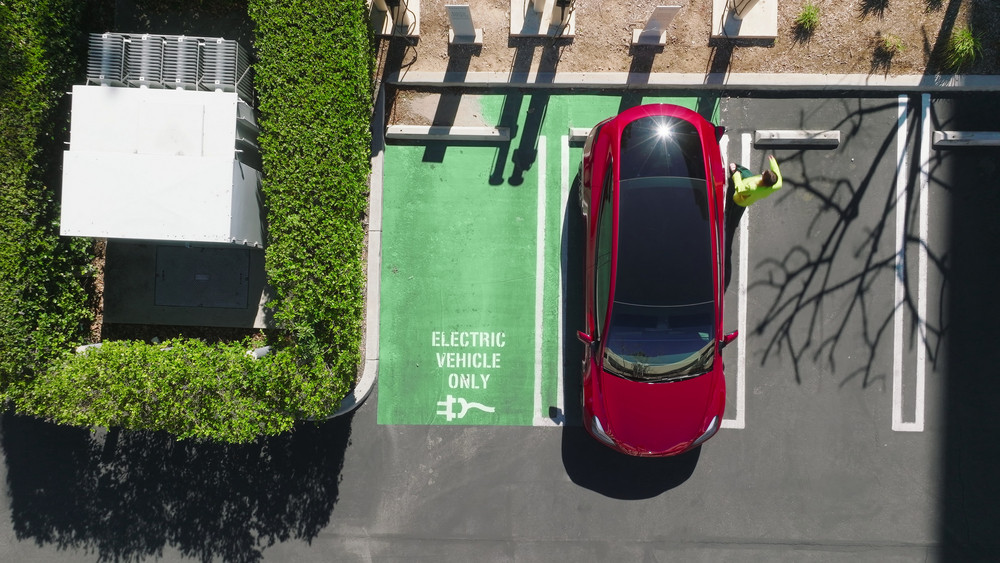
Transportation plays a significant role in carbon emissions, especially for individuals who rely heavily on gas-powered vehicles. However, recent trends suggest that more people are embracing alternatives. Data from Finance Buzz shows that Americans bought over 1.5 million electric vehicles in 2024, signaling a growing shift toward cleaner transportation options.
While purchasing an electric vehicle is one effective way to reduce emissions, it is not the only option. Carpooling, using public transportation, biking, or walking when possible can all lower fuel consumption. Even combining errands into a single trip or working remotely a few days per week can reduce overall driving time. For those not ready to switch vehicles, maintaining proper tire pressure and driving at consistent speeds can improve fuel efficiency.
Transportation choices also reflect broader lifestyle values. Choosing more sustainable travel methods often leads to healthier routines, reduced stress, and increased financial awareness. Walking or biking, for example, supports physical health while reducing emissions. These benefits extend beyond environmental impact, contributing to a more balanced and intentional way of living.
Reducing your carbon footprint in 2026 does not require perfection or dramatic change. By being more mindful of water use, managing household energy consumption, and making thoughtful transportation choices, individuals can create lasting habits that benefit both personal growth and the planet.
Each small step reinforces the idea that sustainable living is not about restriction, but about alignment—aligning daily actions with long-term values. Over time, these simple choices add up, proving that personal development and environmental responsibility can move forward together.