
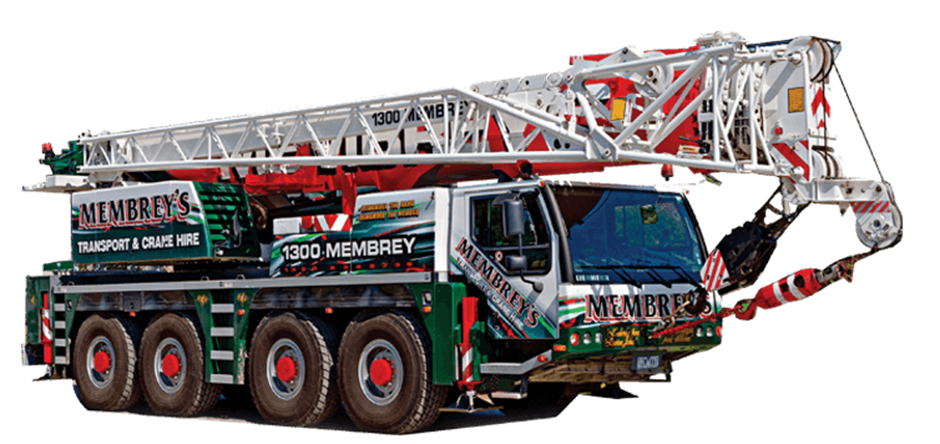
Photo by Membreys
A huge advantage of modern construction is that you don’t need to own an arsenal of equipment and tools to get the job done. Machine and equipment hire has made it easy to access anything that’s needed for construction and building jobs of all sizes.
One of the more popular options is the crane hire Melbourne construction teams rely on. Are you planning your first crane hire? If so, then this post is for you. We explore a few of the top tips that will make your first crane rental process quick and easy.
The Rental Process Creates Easy Access to Any Machinery
Efficient crane rental processes make it remarkably easy to hire exactly what you need for your current or future building or construction project. However, it’s essential to know what you need before you start looking for the best option. With that in mind, our team of experts has compiled a list of tips to help you identify your crane needs.
- Assess the Load Required
The first step in any machine rental process is to establish exactly what you need. Since not all cranes are the same, this is a crucial step. You will need to assess the weight of the loads you’re dealing with as well as the distance you want to move them.
You will need to provide this information to your rental agent for them to make an accurate and safe recommendation. Keep in mind that hiring the wrong crane will only cause delays and affect your planned workflow.
- Consider the Terrain You’re Working on
Cranes are remarkably strong, which often creates the perception that any model can work anywhere. This makes it essential to assess the type of terrain you need the crane to work on.
Here are a few essential pointers to keep in mind when it comes to assessing the terrain type:
- Road access: The key question to ask here is, “How will the crane get to the job site?” Establish whether there are accessible roads to the job site, as opting for a mobile crane means the vehicle needs to drive there. Difficult terrains will also determine whether you need a wheeled or tracked crane.
- Overhead conditions: Depending on where the job site is located, it may be necessary to drive through busy streets or neighborhoods. Drive the route to your job site and check for overhead obstructions that might hamper a larger crane. Trees and power lines are often the most common obstructions to consider. Look for alternative routes if necessary.
- Site terrain: Assess the types of terrain conditions the crane will be working on once it arrives at the job site. Determine whether specific areas need to be cleared for the crane to work effectively.
- Crane types: A wide variety of cranes makes it easy to find the best model for your specific job. Discuss the type of work that needs to be done with the rental agent so that they can make the right recommendations. Popular options to consider include mobile cranes, as they’re excellent for moving all load types around the job site. Being able to drive to the job site is a huge plus here.
- Review Features of Various Cranes
A huge advantage of modern crane rental is that you will have access to machinery with significant technological advancements. This enables you to get the job done more efficiently and more quickly than if you were working with an older model. The features you need will depend on the type of load and job type.
With this in mind, a few of the more common features to look for include the following:
- Inching
- Sway control
- Snag prevention
- Assisted with load turning
- Review the Rental Criteria
Once you have the crane criteria established, it’s essential to choose the right rental agency. Always opt for a reputable agent with visible references. Our experts also recommend taking the time to read your rental agreement to avoid any unforeseen issues down the road.
A few key tips to keep in mind when you’re reviewing your rental agreement include the following:
- Check if the quote includes a replacement unit if the model you’re using breaks down.
- Review the last service date of the crane to assess if it’s being maintained.
- Enquire about the services of a licensed operator and establish if the cost of this is included in the initial quote.
- Discuss logistics to and from your site and make additional arrangements if necessary.
- Speak to your rental agent about options to extend the rental agreement if necessary.
- Double-check for additional costs to avoid surprises later on.
Final Thoughts
Crane rental is an effective way to get access to the machinery needed to move heavy loads around the job site. Make the rental process as simple as possible by opting for the right type of crane from the onset. Be sure to discuss the type of job with your rental agent to ensure that you get the best machine for the job. It really is that simple!