
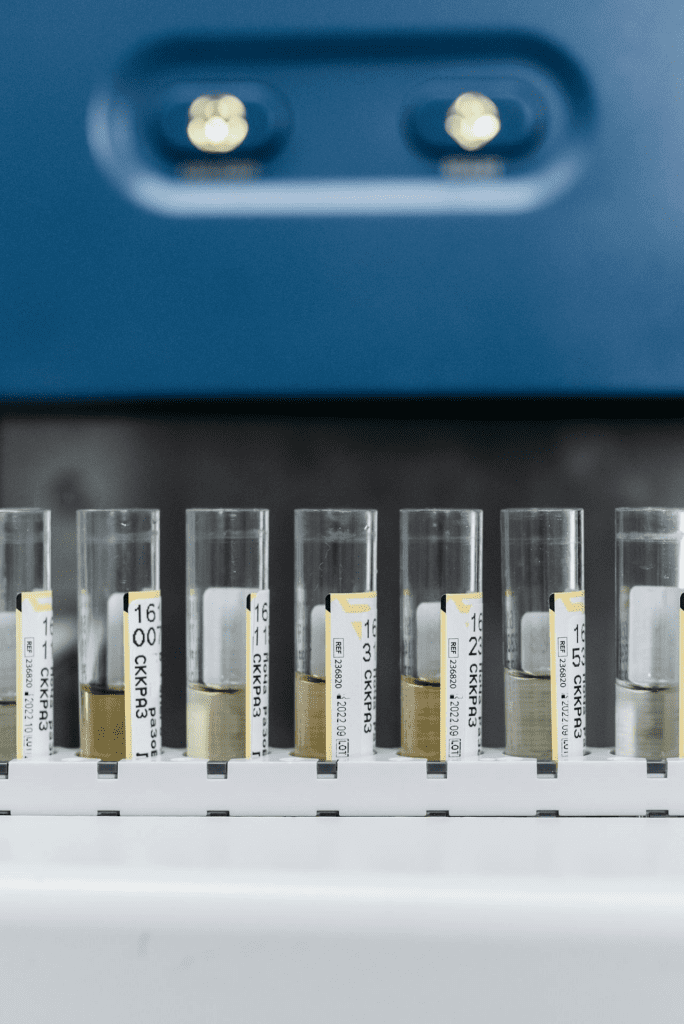
Modern diagnostic screening has transformed the way healthcare providers identify, monitor, and manage a wide range of conditions. Earlier detection, greater accuracy, and more personalized insights are now possible thanks to advancements in medical technology. These improvements not only support better patient outcomes but also help clinicians make more informed decisions. As screening methods continue to evolve, they play an increasingly important role in preventive care and long-term health management.
Earlier Identification of Health Risks
One of the most significant benefits of modern diagnostic screening is the ability to detect potential health concerns long before symptoms appear. Traditional methods often relied on visible signs or patient-reported issues, which meant that many conditions were not identified until they had progressed. Today’s advanced tools allow clinicians to observe subtle biological changes that may indicate the earliest stages of disease.
This early identification gives patients a valuable advantage. When conditions are caught sooner, treatment options are often more effective, less invasive, and more affordable. Early detection also helps reduce the likelihood of complications, allowing individuals to take proactive steps toward better health.
Greater Accuracy Through Advanced Technology
Accuracy is essential in any diagnostic process, and modern screening methods have significantly improved the precision of medical evaluations. High-resolution imaging, molecular analysis, and enhanced laboratory techniques provide clearer, more reliable results. These tools help reduce the risk of misdiagnosis and ensure that clinicians have the information they need to make confident decisions.
A key example of this advancement is the growing use of biomarker testing, which identifies specific indicators associated with certain diseases or physiological changes. By analyzing these markers, clinicians gain deeper insight into what is happening within the body, allowing for more targeted and effective care. Improved accuracy leads to better outcomes and greater peace of mind for patients.
Faster Results That Support Timely Care
Speed plays a critical role in healthcare, especially when dealing with conditions that can progress quickly. Modern diagnostic screening methods often deliver results much faster than traditional approaches. Rapid turnaround times allow clinicians to begin treatment sooner, reducing delays that could impact a patient’s recovery.
Faster results also help reduce stress for patients. Waiting for diagnostic information can be an anxious experience, and shorter processing times provide clarity more quickly. When clinicians can act promptly, they can address concerns before they escalate, supporting both immediate and long-term health.
More Personalized and Targeted Treatment Plans
Every individual’s health profile is unique, and modern screening methods make it possible to tailor care more precisely. By analyzing detailed biological data, clinicians can identify patterns that influence how a person may respond to certain treatments or lifestyle changes. This personalized approach leads to more effective care and reduces the likelihood of unnecessary interventions.
Personalized screening also helps identify risk factors that may not be apparent through standard evaluations. With this information, healthcare providers can recommend preventive strategies that align with each patient’s specific needs. This level of customization empowers individuals to take a more active role in their long-term health.
Improved Monitoring and Long-Term Health Management
Modern diagnostic screening is not only valuable for initial detection but also for ongoing monitoring. Many conditions require continuous evaluation to ensure that treatment is working or that the condition is not progressing. Advanced screening tools provide consistent, reliable data that help clinicians track changes over time.
This ongoing monitoring supports better decision-making and allows for timely adjustments to treatment plans. It also helps patients stay informed about their health, encouraging them to remain engaged in their care. Long-term management becomes more effective when both patients and providers have access to accurate, up-to-date information.
Conclusion
Modern diagnostic screening methods offer significant benefits, including earlier detection, greater accuracy, faster results, personalized care, and improved long-term monitoring. These advancements support better outcomes and empower individuals to take a proactive approach to their health. As technology continues to evolve, diagnostic screening will remain a vital component of effective, patient centered care.