
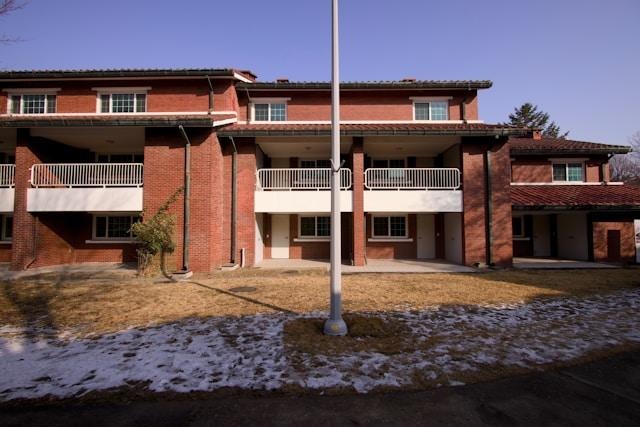
Large residential communities face a unique balancing act: they must deliver attractive functional living environments while keeping capital and operating costs under control. Whether you manage a sprawling suburban complex, a high-density urban development, or a mixed-use community, targeted improvements can boost resident satisfaction, reduce turnover, and protect long-term asset value without requiring a major capital outlay. This article outlines five budget-friendly upgrades that deliver measurable returns in curb appeal, safety, utility savings, and resident experience. Each suggestion is practical enough to implement at scale and designed in phases over time so property teams can prioritize based on budget cycles and immediate needs.
Upgrading Common-Area Lighting to LEDs
Replacing outdated fixtures with LED alternatives is one of the most cost-effective upgrades for large properties. LEDs consume less energy than incandescent or fluorescent bulbs and have much longer lifespans, which reduces both utility bills and maintenance labor. Focus first on high-use areas such as parking garages, stairwells, corridors, and exterior pathways where lighting runs for many hours each day. Consider fixtures with integrated controls—motion sensors and daylight harvesting—to further cut energy use in low-traffic periods. The initial investment pays back through lower energy and replacement costs, and improved lighting quality enhances perceived safety and resident satisfaction.
Low-Maintenance High-Impact Landscaping
Landscaping is a visible expression of property care, but traditional lawns and ornamental beds can be expensive to maintain. Shifting to low-maintenance, drought-tolerant plantings, mulched beds, and strategic hardscaping reduces ongoing irrigation and labor costs while preserving curb appeal. Group plantings by water needs, install smart irrigation controllers, and replace small high-maintenance shrubs with longer-lived specimens to cut down on pruning and replacement cycles. Adding durable low-cost features—such as gravel paths, native grasses, and simple seating areas—creates attractive outdoor spaces that require minimal upkeep. These changes do not lower operating expenses but also support sustainability goals that matter to residents and regulators.
Smart Security and Access Improvements
Investing in targeted security upgrades can produce outsized benefits for resident retention and liability reduction. Rather than a full-scale high-cost overhaul, prioritize scalable measures: upgrade lighting around entrances and mail/package areas, install placed cameras with remote monitoring capabilities and standardize access control for common doors and amenity spaces. Modern systems can be cloud-managed and integrated with property management platforms, which enables efficient incident review and faster response times without a large on-site security staff. These improvements deter theft and vandalism, reduce insurance risk and create a stronger sense of safety—an amenity that residents rank when they choose where to live.
Cost-Conscious Interior Refreshes
Interior upgrades that refresh units and common spaces can be executed on a budget if they focus on high-impact, low-cost elements. Repainting high-traffic walls, replacing dated hardware and refinishing rather than replacing flooring in some areas can improve aesthetics at a fraction of full renovation costs. In kitchens and bathrooms, consider targeted interventions such as replacing countertops, reglazing tubs or installing new cabinet fronts instead of full replacements. For large portfolios, standardized modular solutions speed installation and reduce per-unit costs. When planning these refreshes, prioritize items that have an influence on perceived value and functionality most—lighting, storage and durable finishes—so improvements resonate with prospective and current residents.
In many cases, upgrading to premium multifamily cabinets with refreshed fronts and modern hardware gives a visible uplift without the expense of full replacements.
Amenity Optimization and Flexible Spaces
Instead of adding costly new amenities, reconfigure or optimize existing spaces to better match resident needs. Convert underused rooms into co-working hubs, package rooms, or fitness corners with modular furniture and durable finishes. Small investments—Wi‑Fi extenders in common areas, a few pieces of commercial-grade exercise equipment, or a well-designed package locker system—can increase perceived amenity value. Flexible multi-use spaces allow you to program events, study sessions, or pop-up services that foster community without large capital commitments. When amenities are aligned with resident demographics and usage patterns, they drive retention and can justify modest rent premiums.
Conclusion
Large residential communities can achieve meaningful improvements without major capital campaigns by prioritizing projects that reduce operating costs, enhance safety and elevate resident experience. LED lighting, low-maintenance landscaping, targeted security upgrades, cost-conscious interior refreshes and amenity optimization each deliver measurable benefits and can be phased to match budget realities. The key is to focus on interventions that scale across many units or common areas, standardize specifications to lower procurement and installation costs and measure outcomes so future investments are data-driven. With careful planning and a focus on high-impact low-cost strategies, property teams can strengthen asset performance and resident satisfaction while preserving financial flexibility.