
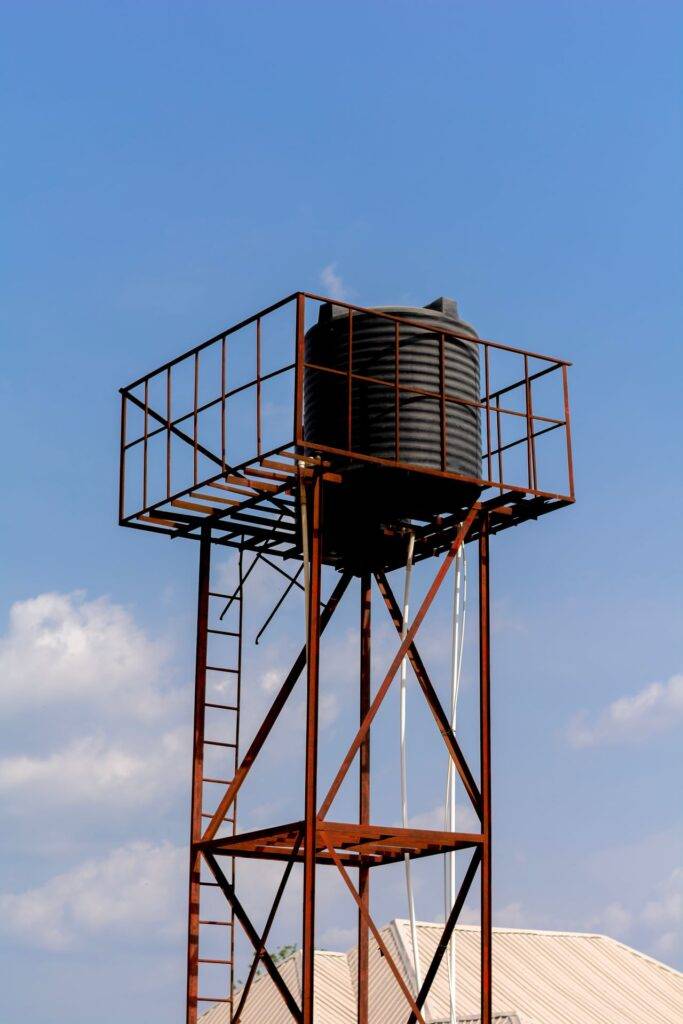
Installing a water collection system is an effective way to conserve resources, reduce utility costs, and support sustainable home practices. As more homeowners look for ways to manage water use responsibly, rainwater harvesting has become a practical and appealing solution. Before moving forward with installation, it is important to understand the key factors that influence system performance, long-term value, and overall efficiency. Careful planning ensures that your system functions reliably and meets your household’s needs.
Evaluating Your Property’s Rainfall and Collection Potential
The first step in planning a water collection system is understanding how much rainwater your property can realistically capture. Factors such as local climate, seasonal rainfall patterns, and roof size all influence the amount of water available for collection. Homes in regions with consistent rainfall can rely on steady replenishment, while those in drier climates may need larger storage capacity to maintain supply. Assessing your property’s collection potential helps determine the appropriate system size and ensures that your investment aligns with your long-term goals for water use.
Choosing the Right Storage Solution for Your Needs
Storage is one of the most important components of any rainwater harvesting system. The size, material, and placement of your tank all affect how efficiently your system operates. Homeowners often choose tanks based on available space, intended water use, and aesthetic preferences. Selecting a reputable rainwater tank ensures that stored water remains clean, secure, and protected from environmental contaminants. High-quality tanks also offer better durability, reducing the need for frequent maintenance or replacement. Taking time to evaluate storage options helps create a system that supports both reliability and convenience.
Understanding Local Regulations and System Requirements
Before installing a water collection system, it is essential to review local guidelines and regulations. Some municipalities have specific requirements regarding system design, water usage, or installation practices. These rules help ensure that rainwater harvesting is conducted safely and responsibly. Understanding local expectations also helps homeowners avoid potential issues during installation or future inspections. By staying informed, you can design a system that complies with community standards while still meeting your household’s needs.
Planning for Filtration and Water Quality Management
Even though rainwater is naturally clean, it can collect debris, pollen, or contaminants as it flows across roof surfaces. Incorporating filtration and water quality management into your system helps ensure that stored water remains suitable for its intended uses. Simple screens, first flush diverters, and sediment filters can significantly improve water clarity and reduce buildup inside the tank. For households planning to use rainwater for more sensitive applications, additional treatment may be necessary. Thoughtful filtration planning supports long-term system performance and helps maintain water quality over time.
Considering Installation Logistics and System Placement
The placement of your water collection system affects both functionality and ease of maintenance. Tanks should be positioned on stable ground with adequate support and easy access for cleaning or inspection. Proximity to downspouts, gardens, or irrigation systems can also influence placement decisions. Homeowners may need to consider factors such as sunlight exposure, visibility from the street, or available space near the home. Proper placement ensures that the system operates efficiently and integrates smoothly into the property’s layout.
Estimating Long-Term Maintenance and Upkeep
Like any home system, rainwater collection requires periodic maintenance to ensure long-term reliability. Tasks such as cleaning gutters, inspecting filters, and checking tank integrity help keep the system functioning properly. Understanding these maintenance needs ahead of time allows homeowners to plan for ongoing care and avoid unexpected issues. A well-maintained system provides consistent performance and extends the lifespan of its components. Considering long-term upkeep ensures that your investment continues to deliver value year after year.
Conclusion
Installing a water collection system involves thoughtful planning and careful consideration of factors such as rainfall potential, storage solutions, regulations, filtration, placement, and maintenance. By evaluating these elements in advance, homeowners can create a reliable and efficient system that supports sustainability, reduces water use, and enhances long-term home management.