
Introduction
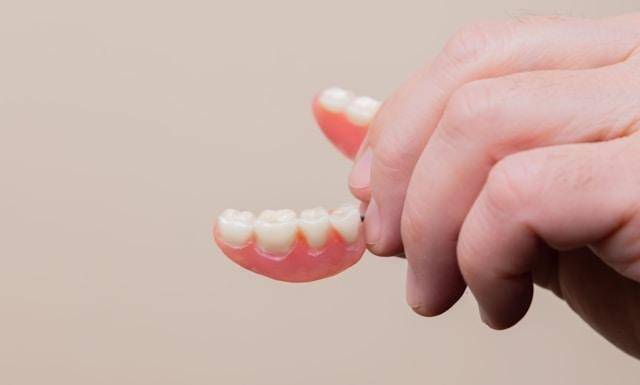
Dentures are a practical solution for individuals who have lost teeth, restoring both function and appearance. While they can improve the quality of life, many people experience discomfort when adjusting to them. This discomfort can range from mild irritation to more persistent issues that have an impact on daily activities. Understanding the reasons behind denture discomfort is the first step to finding relief and ensuring a better fit. Below are seven common causes of denture-related discomfort and what they mean for wearers.
Poor Fit and Alignment
One of the most common reasons dentures cause discomfort is an improper fit. Over time, the shape of the gums and jawbone can change, making dentures that once fit well feel loose or misaligned. Ill-fitting dentures can rub against the gums, leading to soreness and even small cuts. Regular dental check-ups are necessary to ensure dentures are adjusted or relined as needed for maintaining comfort.
Gum Irritation and Pressure Points
Dentures rest on the gums, and if they put uneven pressure, irritation can happen. Pressure points may develop when certain areas of the denture press harder against the tissue than others. This can cause redness, swelling, and pain. Dentists often recommend adjustments to spread pressure, which helps reduce irritation and improves overall comfort.
Difficulty with Chewing and Speaking
Learning to chew and speak with dentures takes time, and during this adjustment period, discomfort is common. Certain foods may feel hard to eat, while speech may sound different until the tongue and mouth adapt. Ongoing difficulty can lead to frustration and soreness in the jaw muscles. Practice with softer foods and work up to harder textures bit by bit to ease the transition.
Too Much Saliva Production
When dentures are first introduced, the body may respond by producing more saliva. This is a natural reaction, but it can feel uncomfortable and make speaking or swallowing awkward. While this goes away as the mouth adjusts, it can be annoying in the early stages. Staying hydrated and practicing swallowing techniques can help manage this short-term issue.
Mouth Infections and Sores
Improper cleaning or prolonged wear without breaks can lead to infections such as oral thrush. On top of that, sores may develop where dentures rub against sensitive tissue. These conditions cause discomfort and can have an impact on overall oral health. Using recommended cleaning routines and taking dentures out at night can reduce the risk of infections and allow the gums to rest.
Bone and Tissue Changes
As people age, the jawbone and gum tissue change. These changes can affect how dentures fit and feel, often causing discomfort. Bone resorption, in particular, can cause dentures to become loose over time. Regular dental evaluations are important to monitor these changes and make necessary adjustments to maintain comfort and functionality.
Inadequate Maintenance and Care
Neglecting proper denture care can contribute to discomfort. Residue buildup, stains, or worn-out materials can irritate the mouth and reduce how effective the dentures are. Using high-quality denture care products ensures that dentures remain clean, fresh, and comfortable. Proper maintenance not only extends the life of the dentures but also helps prevent unnecessary irritation.
Conclusion
Dentures can provide life-changing benefits, but discomfort remains a common challenge for many wearers. Issues such as poor fit, gum irritation, excessive saliva and inadequate care can all contribute to soreness or frustration. When individuals understand these causes and work with dental professionals, they can take proactive steps to improve comfort and enjoy the full advantages of their dentures. With proper adjustments and consistent care, dentures can become a dependable and comfortable part of everyday life.