
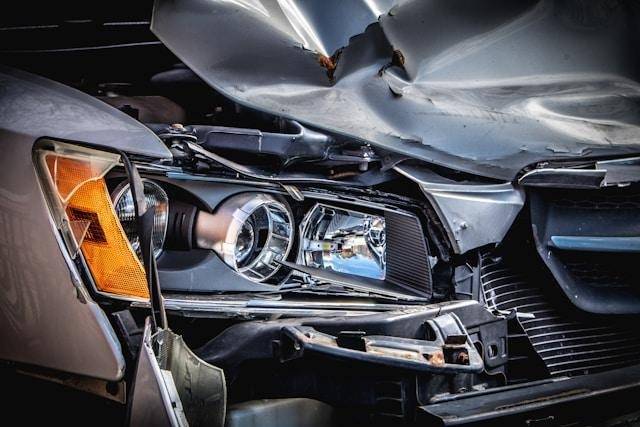
Photo by Clark Van Der Beken on Unsplash
Introduction
Car crashes happen out of nowhere. They stress you out and leave you confused about what to do next. Even if it’s just a small bump or a big smash-up, what you do right after matters a lot. It keeps you safe, protects your rights, and helps if you need to deal with insurance or go to court later. Knowing the right moves can smooth things out afterwards. This article lays out seven key things to do after a car crash, balancing what you need to do right away with what might help you.
Ensure Safety First
The first thing to do after a car crash is to stay safe. If you can, move your car off the road to avoid more crashes and turn on your flashers to warn other drivers. Look for injuries on yourself and your passengers. If anyone’s hurt, call 911 right away. Even if the injuries look small, it’s key to get medical help fast, as some problems might not show up right away. Keeping cool and focused at this time helps cut down on more risks and makes sure everyone gets the care they need.
Contact Authorities
Calling the cops is essential even for small crashes. A police report creates an official record of what happened, which can help when you’re dealing with insurance companies or going to court. Police officers will write down what they see at the scene, talk to witnesses, and make note of any traffic law violations. This unbiased account helps establish the facts and can protect you from arguments later on. In some places, if you don’t report an accident, you might even get in trouble, so getting the authorities involved is both smart and required.
Document the Scene
Good record-keeping helps protect your rights after a car crash. Snap pictures with your phone to show car damage, road setup, traffic signs, and any injuries you can see. Get contact info from other drivers, passengers, and people who saw what happened. Share insurance details with the other driver, but don’t talk about who’s to blame at the scene. It’s also smart to write down when and where it happened, and what took place. Having all this info gives you solid proof to back up your side of the story, which can make a big difference in settling any arguments.
Notify Your Insurance Company
Letting your insurance company know about the accident right away is also key. Most insurance providers want you to tell them , and waiting can make claims harder or lower your coverage. Give them the police report number, pictures, and other details you collected. Be truthful and thorough when you explain what happened, but don’t guess about who’s at fault. Insurance adjusters will look into the claim, and having the correct info from the beginning helps speed things up. Talking with your insurer makes sure you get the benefits and protections your policy promises.
Seek Legal Guidance
When you’re dealing with major injuries, arguments about who’s at fault, or tricky insurance stuff, talking to a lawyer can help. If you are living in Texas and find yourself dealing with serious injuries or complicated insurance disputes after a crash, working with a personal injury attorney in Texas can be especially valuable. Local attorneys understand state laws and procedures, giving you the guidance you need to protect your rights and pursue fair compensation.
Lawyers can tell you if it’s better to settle with insurance companies or go to court. They often know how to work with doctors and crash experts, too. Getting legal advice can stop you from making costly mistakes and help you feel more at ease during a tough time.
Prioritize Medical Follow-Up
Even if doctors treated you at the crash site or in the ER, you need to see them again later. Some injuries, like whiplash or internal damage, might not show up right away. Setting up visits with doctors helps them find and fix any hidden problems. Keeping track of your doctor visits, what they say is wrong, and how much it costs also helps with insurance or court cases. Taking care of your health not only helps you get better but also makes your case stronger if you need to ask for money.
Keep Organized Records
The aftermath of a car crash often has an impact on a lot of paperwork, from hospital bills to letters from insurance companies. Keeping records in order helps you meet deadlines and follow rules. Make a special folder to keep all crash-related papers such as police reports, doctor’s notes, repair quotes, and messages with insurers or lawyers. When everything’s in one spot, it’s easier to check progress and answer requests for details. Well-kept records also show you’re thorough, which can help in talks or court cases.
Conclusion
Car crashes can leave you feeling lost, but knowing what to do next can make things easier and protect your interests. To handle the aftermath well, you should make sure everyone’s safe, call the police, take pictures of the scene, tell your insurance company, talk to a lawyer, get medical help if needed, and keep all your paperwork in order. By taking these steps, you can look after your health, protect your rights, and watch out for your money. This turns a messy situation into one you can handle with a clear head and confidence.