
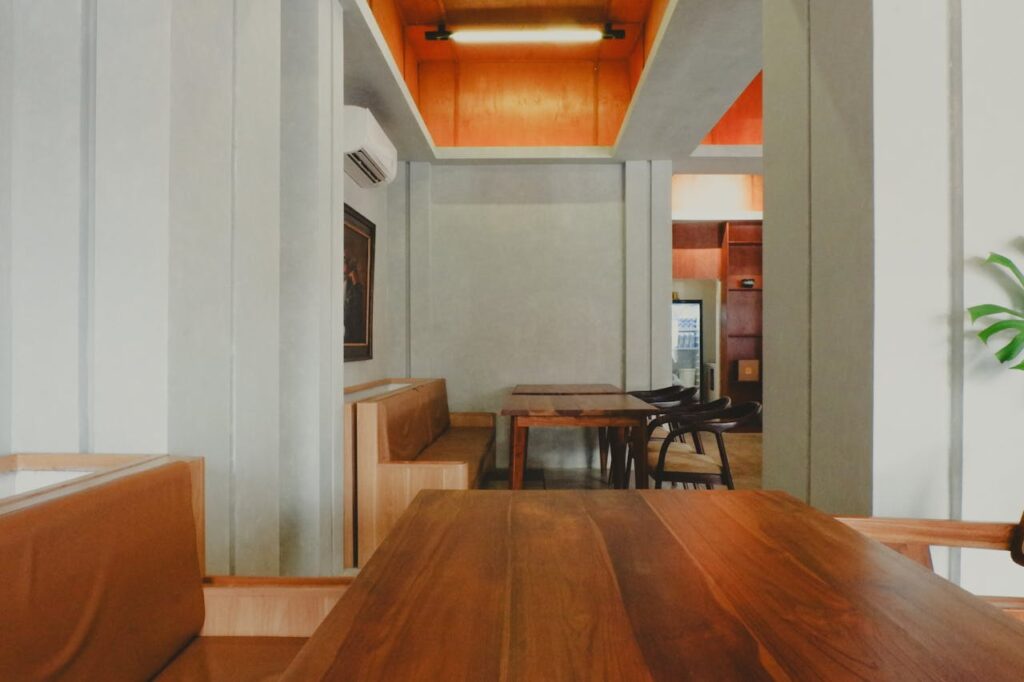
Modern home design blends comfort, functionality, and visual harmony in ways that feel both timeless and forward-thinking. Today’s homeowners look for spaces that support everyday living while offering a sense of calm, openness, and refined style. Beautifully designed modern homes achieve this balance through thoughtful architectural choices, intentional material selections, and layouts that prioritize natural flow. When these elements come together, the result is a home that feels inviting, efficient, and visually cohesive.
Open Layouts That Encourage Natural Flow
One of the defining features of modern home design is the emphasis on open, connected spaces. Removing unnecessary walls creates a sense of spaciousness and allows natural light to travel freely throughout the home. Open layouts also support flexible living, making it easier to adapt spaces for entertaining, relaxing, or working.
This approach enhances comfort by reducing visual clutter and creating a seamless transition between rooms. When spaces feel connected and intuitive, the home becomes more enjoyable to navigate and more aligned with contemporary lifestyles.
Abundant Natural Light and Large Windows
Modern homes often incorporate expansive windows, glass doors, and skylights to maximize natural light. Sunlight enhances the warmth and character of interior spaces while reducing the need for artificial lighting during the day. Large windows also create a stronger connection to the outdoors, bringing in views of greenery, sky, and surrounding landscapes.
This emphasis on natural light contributes to a brighter, more uplifting atmosphere. It also supports energy efficiency and helps highlight architectural details and interior finishes.
Clean Lines and Minimalist Detailing
Simplicity is a hallmark of modern design. Clean lines, uncluttered surfaces, and minimal ornamentation create a sense of calm and order. This aesthetic allows architectural elements and high-quality materials to stand out without distraction.
Minimalist detailing does not mean the space feels cold. Instead, it creates room for texture, color, and thoughtful décor to shine. Many homeowners work with professionals such as San Francisco interior designers to achieve this balance, ensuring that simplicity feels intentional, warm, and visually engaging.
High Quality, Natural Materials
Modern homes often incorporate natural materials that add warmth and character. Wood, stone, metal, and glass are commonly used to create contrast and visual interest. These materials age gracefully and bring a sense of authenticity to the design.
Natural finishes also complement the minimalist aesthetic by adding subtle texture and depth. When combined with clean architectural lines, these materials create a harmonious environment that feels both modern and inviting.
Functional Spaces Designed for Everyday Living
Functionality is central to modern home design. Every space is created with purpose, ensuring that the home supports daily routines with ease. This may include built-in storage, multipurpose rooms, or flexible layouts that adapt to changing needs.
Thoughtful design enhances convenience without sacrificing style. When functionality is prioritized, the home becomes more efficient and enjoyable to live in, supporting a lifestyle that feels both organized and relaxed.
Seamless Indoor Outdoor Connections
Modern homes often blur the line between indoor and outdoor living. Sliding glass doors, covered patios, and integrated outdoor spaces create a natural extension of the home. These features encourage fresh air, natural light, and opportunities for relaxation or entertaining.
A strong indoor-outdoor connection enhances the overall sense of openness and supports a healthier, more balanced lifestyle. It also adds visual depth by incorporating natural surroundings into the home’s design.
Thoughtful Use of Color and Texture
While modern design often leans toward neutral palettes, color and texture play an important role in creating visual interest. Soft tones, layered textures, and subtle contrasts help prevent the space from feeling too stark.
Accent walls, natural textiles, and carefully selected furnishings add personality while maintaining the clean, cohesive aesthetic. This thoughtful approach ensures that the home feels warm, comfortable, and visually engaging.
Smart Technology That Enhances Convenience
Technology has become an integral part of modern home design. Smart lighting, climate control, security systems, and integrated appliances make daily living more convenient and efficient. These features can be customized to suit personal preferences and help streamline routines.
When technology is seamlessly integrated, it enhances the home’s functionality without disrupting the overall aesthetic. This balance supports a modern lifestyle that values both comfort and innovation.
Conclusion
Beautifully designed modern homes combine open layouts, natural light, clean lines, high-quality materials, functional spaces, indoor-outdoor connections, thoughtful textures, and smart technology. Together, these features create environments that feel harmonious, efficient, and deeply comfortable, reflecting the essence of contemporary living.