
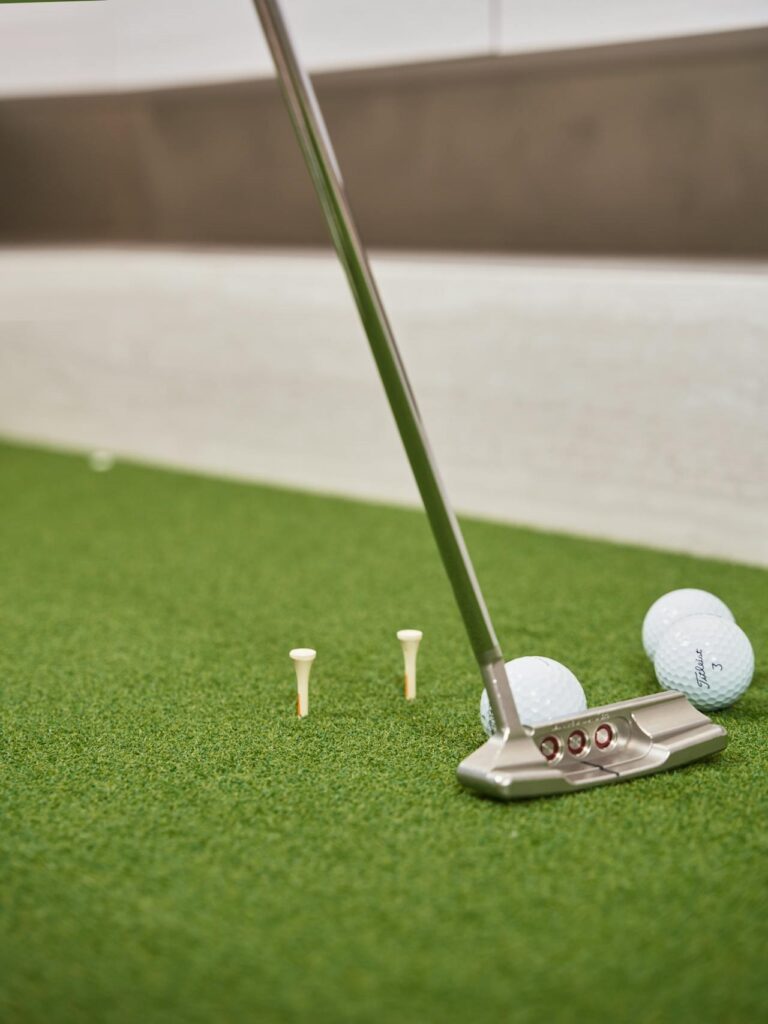
Photo Credit: Chiputt Golf
Creating a dedicated putting area is an excellent way for golfers to sharpen their skills, enjoy more consistent practice, and bring a touch of the course into their own home or outdoor space. Whether the goal is to improve short game performance, add a recreational feature to a property, or build a personalized training environment, proper planning is essential. Understanding the key considerations before installation ensures that the final result is functional, durable, and tailored to your needs. With the right preparation, a putting area can become a valuable long-term addition to any space.
One of the biggest advantages of installing a home putting area is the ability to create a consistent environment for improving your short game. By tracking ball speed, slope performance, and repeatable drills, golfers can turn a simple backyard green into a true training space. Resources like Creating Your Personal Putting Laboratory provide practical ideas on how to design a setup that helps build accuracy, confidence, and measurable progress over time.
Determine the Purpose of Your Putting Area
Before installation begins, it is important to identify how the putting area will be used. Some golfers want a simple space for casual practice, while others prefer a more advanced setup designed for targeted skill development. Clarifying your goals helps guide decisions about size, layout, materials, and features.
A practice area designed for precision training may include multiple holes, varied slopes, or specific turf textures. A recreational setup may focus more on aesthetics and ease of use. Understanding your purpose from the start ensures that the final design supports your expectations and enhances your overall experience.
Choose the Right Location for Installation
Location plays a major role in the performance and longevity of a putting area. Indoor spaces offer year-round accessibility and controlled conditions, while outdoor areas provide a more natural feel and greater design flexibility. Each option has its own considerations.
Indoor installations require adequate space, proper flooring, and good lighting. Outdoor installations must account for drainage, sunlight exposure, and the natural slope of the land. Selecting the right location ensures that the putting area functions well and remains enjoyable over time.
Select High Quality Materials for Realistic Performance
The materials used in a putting area directly affect ball roll, durability, and overall performance. High-quality synthetic turf is a popular choice because it provides consistent speed, requires minimal maintenance, and withstands frequent use.
For golfers seeking a premium experience, a custom indoor putting green offers the ability to tailor turf type, speed, and design to match personal preferences. Choosing reliable materials ensures that the putting area remains smooth, realistic, and long-lasting.
Consider the Importance of Proper Base Preparation
A putting area is only as good as the foundation beneath it. Proper base preparation ensures smooth ball roll, prevents uneven surfaces, and supports long-term durability. For outdoor installations, this may involve grading the land, adding a compacted base layer, and ensuring adequate drainage.
Indoor installations may require leveling the floor or adding a supportive underlayment. Taking the time to prepare the base correctly helps avoid issues such as bumps, dips, or shifting over time. A well-built foundation enhances both performance and longevity.
Plan for Slope, Breaks, and Overall Layout
A putting area should offer a balance of challenge and playability. Incorporating subtle slopes, breaks, and varied hole placements creates a more engaging practice environment. These features help golfers develop touch, accuracy, and confidence on the greens.
The layout should reflect your skill level and training goals. Some golfers prefer a straightforward design, while others enjoy a more complex setup that mimics real course conditions. Thoughtful planning ensures that the putting area remains enjoyable and effective for long-term use.
Evaluate Maintenance Requirements
Even low-maintenance putting areas require some level of care to remain in top condition. Synthetic turf may need occasional brushing, cleaning, or infill adjustment. Outdoor installations may require debris removal or periodic leveling.
Understanding maintenance needs ahead of time helps ensure that the putting area remains functional and visually appealing. Planning for routine care also protects your investment and supports consistent performance.
Incorporate Additional Features for Enhanced Training
Many golfers choose to enhance their putting area with additional features that support skill development. These may include chipping zones, fringe turf, alignment guides, or adjustable hole placements. Indoor spaces may also incorporate training aids or technology for feedback and analysis.
Adding these elements creates a more versatile practice environment and allows golfers to work on multiple aspects of their short game. Thoughtful enhancements can elevate the overall experience and make practice sessions more productive.
Work With Professionals for Optimal Results
While some putting areas can be installed independently, many golfers choose to work with professionals to ensure precision and quality. Experienced installers understand the technical requirements of turf placement, base preparation, and layout design. Their expertise helps prevent common issues and ensures that the final product meets performance expectations.
Professional guidance is especially valuable for complex designs or indoor installations where precision is essential. Partnering with experts helps create a putting area that is both functional and visually appealing.
Conclusion
Installing a putting area requires thoughtful planning, quality materials, proper preparation, and a clear understanding of your goals. By considering location, layout, maintenance, and additional features, golfers can create a practice space that enhances performance and provides long-term enjoyment.