
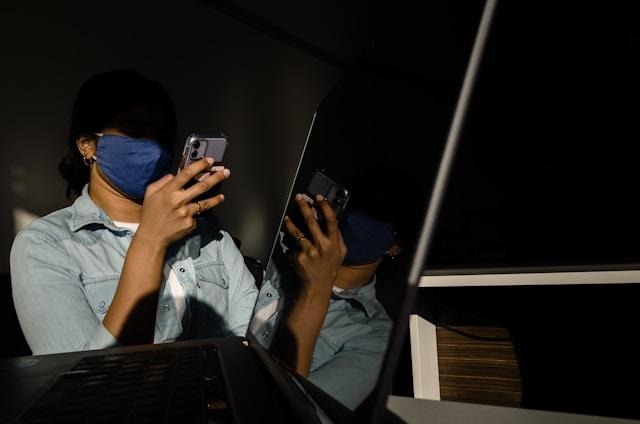
Photo by Kingsley Nguyen on Unsplash
Introduction
Education changes faster than ever, and classrooms must keep up with the digital world in which students live. While traditional teaching methods still matter, old technology can limit student engagement and teacher effectiveness. Knowing when your classroom falls behind is key to making sure students are ready for the future. Here are four clear signs that show it’s time to upgrade your tech, along with practical ideas on how new tools can change the learning environment.
Old Tools Are Slowing Down Learning
A classroom that needs new tech often shows clear signs. Old tools like chalkboards, overhead projectors, or slow computers still work, but they can get in the way of learning. These tools don’t have the speed, flexibility, or interactivity that today’s students expect.
Teachers often spend more time fixing equipment than teaching, which breaks up lessons. Picture this: a projector light goes out in the middle of class, or an old computer freezes during a talk. These issues can throw off the whole lesson. Students who are used to easy-to-use digital devices outside school might find these problems annoying and lose interest.
Switching to interactive whiteboards, tablets, or cloud-based platforms can boost teaching efficiency and let teachers concentrate on lessons instead of tech problems. Interactive screens help teachers mark up lessons as they go, while tablets make it easy for students to work together on projects. Cloud platforms also mean homework and materials are available anywhere, cutting down the need for physical resources.
Buying new tools isn’t just about making things easier—it’s about building a classroom that reflects the digital world students will see in college and at work.
Student Engagement Is Dropping
Another clue that tech needs an update is when students lose interest. When kids seem bored, distracted, or lack motivation, it often shows a gap between what’s in the classroom and their digital lives outside school.
Today’s students are used to interactive apps, multimedia content, and game-like experiences. A classroom that uses lectures or regular textbooks may find it hard to keep its attention. Using technology like game-based learning platforms, educational apps, and multimedia presentations can turn boring lessons into lively experiences.
For example, virtual labs can bring science concepts to life, while interactive timelines and immersive videos can make history lessons richer. These tools not only make learning more fun but also help students work together, think creatively, and solve problems.
Upgrading technology helps students feel excited to join in and do well. It connects their digital life outside school with their learning inside, making education more meaningful and interesting.
Administrative Processes Are Not Efficient
Technology doesn’t just have an impact on teaching—it also changes how teachers run their classrooms. Slow admin work, like paper attendance sheets or handwritten permission slips, wastes time and money.
New tools make these jobs easier, giving teachers more time to teach. Take a digital hall pass system. It cuts down on interruptions by handling routine permissions and showing where students are in real time. Instead of using paper passes that kids might lose or fake, digital systems keep track of student movement.
In the same way, automatic attendance systems mean teachers don’t have to spend precious minutes marking who’s there. Online grade books and parent websites also make sure progress reports are easy to find, cutting down on paperwork for teachers.
When schools let paperwork pile up, it wastes time and puts safety and accountability at risk. Upgrading technology in this area boosts productivity and builds trust, helping classrooms run better and more.
Teamwork and Talking Are Limited
Good learning depends on teamwork, both between students and with teachers and parents. If your classroom doesn’t have tools for easy talking, it might be falling behind.
Online tools that allow quick feedback, team projects, and online talks break down walls and spread learning outside the classroom. For students, these team tools build teamwork and problem-solving skills, which are key in today’s connected world. For parents, online portals keep them up to date on homework, grades, and upcoming events.
When schools lack these tools, gaps in communication can grow, leaving students with less support and teachers feeling more alone. A tech upgrade that puts teamwork first makes the whole education system stronger, making sure that learning is something teachers, students, and families all share responsibility for.
Getting Ready for What’s Next in Education
Upgrading classroom tech isn’t just about fixing today’s problems – it’s about getting ready for what’s coming. The world our students will step into is becoming more and more digital, and our classrooms need to show that. New tech like VR, AI, and smart learning systems that adapt to each student are changing how we teach and learn.
Virtual reality has the ability to take students to historical places or scientific settings, giving them hands-on experiences that books can’t match. AI can make learning personal by looking at how students perform and adjusting content to fit each person’s needs. Platforms that adapt make sure students move forward at a speed that works for them, which cuts down on frustration and helps them learn the material.
When schools use these new tools, they show they’re thinking ahead and giving students the skills they need to do well in a tough digital world.
Conclusion
Spotting the signs of a classroom that needs a tech update is the first step to building a more effective and engaging learning space. Old tools, students losing interest, slow admin work, and not enough teamwork all show that it’s time for a change. When teachers use new tech, they can teach better, run things more smoothly, and help students, teachers, and parents connect more.
In the end, bringing new tech into classrooms isn’t just about following trends—it’s about getting students ready to do well in a tough digital world. Taking action makes sure classrooms stay useful, work well, and excite the next bunch of students.