
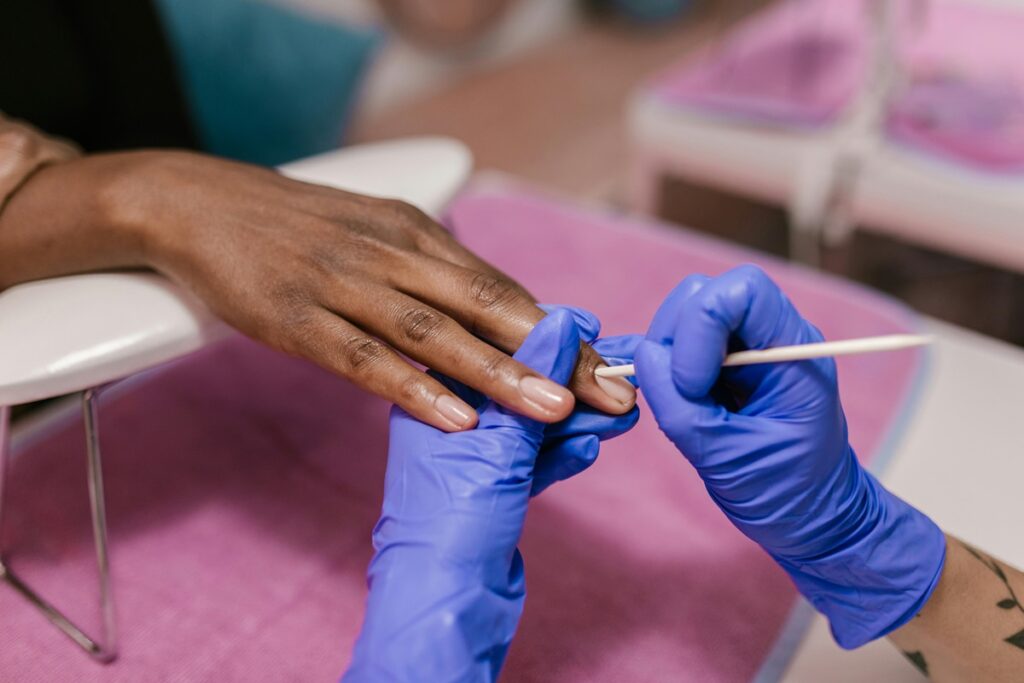
Opening a beauty service startup is exciting and demanding. Before you unlock the studio door for the first time, you need clear plans for compliance, finances, operations, and marketing, as well as a practical approach to customer experience. This guide will help you move from vision to a strong first day, covering the essentials to launch with confidence and momentum.
Understand Your Market and Positioning
Start with a focused look at your local demand and competitive landscape. Identify the specific services your community wants most, such as natural nail care, gel extensions, brow shaping, lash lifts, blowouts, or express facials. Walk through nearby salons and studios to see pricing, service menus, and appointment availability. Note any gaps, like scarce early morning slots or limited mobile options. Use those observations to craft a differentiated positioning that aligns with your strengths, for example, a modern, appointment-only nail atelier that emphasizes healthy nail prep and fast turnaround.
Clarify your brand promise in a single sentence. Think about who you serve, what problem you solve, and how you deliver value. If your target is busy professionals, your promise might be precision services with predictable timing and transparent prices. Choose a name, visual identity, and service menu that reinforce that promise. If you intend to scale, consider whether your brand should feel boutique or standardized so you can replicate the experience across future locations.
Build a Solid Legal and Compliance Foundation
Before you open, confirm licensing requirements for your state and municipality. Beauty services often require specific practitioner licenses, establishment permits, and health inspections. If you plan to retail products in addition to services, you may need a seller’s permit. Register your business entity to protect personal assets and simplify tax handling. Many owners choose an LLC because it offers liability protection and flexible taxation, but consult with a professional to match your situation.
Compliance extends to sanitation and workplace policies. Create written sanitation protocols that align with local regulations. Document how you clean tools, disinfect stations, and dispose of single-use items. Establish clear client consent and intake forms, especially for services that involve adhesives or chemicals. Set your insurance coverage to include general liability, professional liability, and, if applicable, workers’ compensation. Keep all certifications and inspection reports accessible so you can quickly demonstrate compliance if asked.
Get Your Numbers Right: Budget, Pricing, and Cash Flow
Strong financial planning protects your launch. List startup costs such as build-out, permits, furniture, equipment, software, initial inventory, professional fees, and marketing. Separate fixed costs like rent and software subscriptions from variable costs like disposables and back-bar products. Build a conservative cash reserve to cover three to six months of operating expenses. That buffer helps you navigate the ramp-up period as you grow bookings.
Design your pricing by combining cost-per-service with time-per-service and desired margin. Calculate total consumables and labor time for each service, then set prices that cover costs and support your revenue goals. Offer tiered pricing for complexity or seniority so clients can choose based on budget and preference. Avoid introductory discounts that undermine perceived quality. Instead, encourage repeat visits with value-based packages or loyalty rewards. Track daily sales, service mix, average ticket, rebook rate, and retail attachment to refine your menu and staffing over time.
Operational Systems and Smart Tools
Your day one success depends on consistent systems. Choose a booking platform that supports online appointments, automated reminders, deposits for high-demand services, and an integrated point of sale. Use a simple service menu in your software so staff can book consistently. Build a template for each service that includes prep steps, service duration, and cleanup.
Create an inventory plan that keeps core items in stock without tying up cash. For example, map par levels for polishes, files, buffers, gloves, and disinfectants, and replenish on a set schedule. Select high-quality tools that improve efficiency and safety, such as electric nail files with adjustable speed controls used by trained technicians. Document tool maintenance, daily opening and closing checklists, and station reset standards. A predictable workflow reduces mistakes, shortens service time, and makes it easier to onboard new team members.
Brand, Marketing, and Pre-Launch Momentum
Your brand lives wherever clients encounter you. Build a simple website that lists services, prices, policies, hours, and a prominent book-now button. Add a portfolio gallery and client testimonials as you collect them. Optimize for local search with accurate business profiles and consistent name, address, and phone number across platforms. Use social content to showcase service outcomes, hygiene standards, and behind-the-scenes details. Short video clips of service steps can demystify the process and build trust.
Start pre-launch marketing at least four weeks before opening. Offer priority booking to your email list and social followers. Partner with nearby businesses for cross-promotion and referral incentives. Host a soft opening for friends and family to test systems under low pressure, gather feedback, and generate initial reviews. Encourage satisfied clients to post ratings on major platforms and share photos that tag your studio. Consistency beats complexity. A weekly cadence of useful content and reliable responses to inquiries will earn attention and drive your first wave of bookings.
Build a Team Culture and Elevate Client Experience
If you plan to hire, define your service standards and culture from the start. Create role profiles with expectations for timing, sanitation, consultation, and product knowledge. Train for both technical skills and hospitality. A thoughtful greeting, a clear explanation of the service plan, and prompts for comfort go a long way. Standardize consultation questions so staff can identify goals, sensitivities, and maintenance preferences, then document notes to personalize future visits.
Design the studio experience with small touches that matter. Offer water or tea. Keep music at a comfortable level. Manage scent carefully so it is pleasant but never overwhelming. Use clear signage for check-in and retail displays that help clients discover home-care products. Provide transparent policies for cancellations, late arrivals, and guarantees. Make rebooking effortless at checkout. The aim is to remove friction at each step, so clients feel cared for and confident about returning.
Prepare for Feedback, Iteration, and Growth
No plan survives first contact unchanged. Build feedback loops that inform improvements. Send a short post-visit survey to measure satisfaction and ask for suggestions. Review service timing weekly to see where bottlenecks occur. Adjust appointment slots and prep steps to protect schedule integrity. If certain services consistently overrun, reprice or resize them to match reality.
Track early indicators of growth such as rebook rate, referral volume, and employee utilization. As demand increases, decide whether to extend hours, add staff, or introduce express versions of popular services. Revisit your brand promise to keep it sharp and relevant. Growth is healthiest when it is paced and intentional, supported by accurate data and a strong culture.
Conclusion
Launching a beauty service startup is a hands-on journey that rewards clarity and discipline. When you define your positioning, build a compliant and safe foundation, price intelligently, and systemize operations, your first day sets the tone for everything that follows. Bring your brand to life through consistent marketing and a thoughtful client experience, then learn from feedback and refine your approach. Start strong, stay organized, and your studio will earn trust, repeat visits, and sustainable growth.