
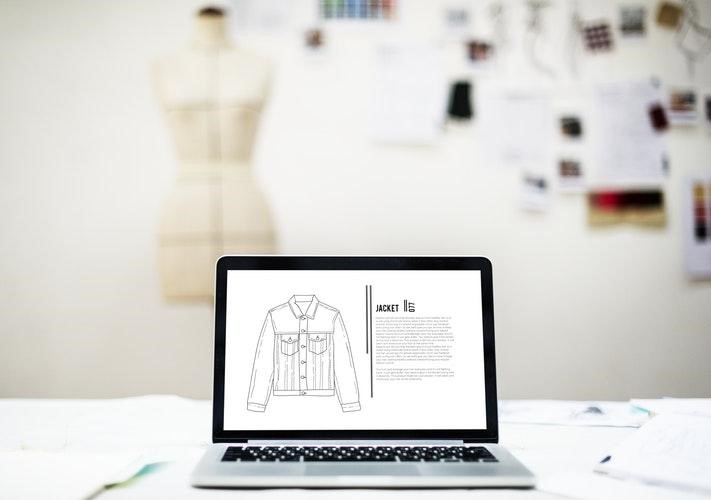
Walk into most boutiques, and you’ll see a mix of established brands and house label pieces. Those house label items often have better margins and help the store stand out from competitors carrying the same wholesale brands. But getting from carrying other people’s products to having your own clothing line is a bigger step than most retailers realize.
The process isn’t as simple as sketching designs and finding someone to make them. There’s a whole manufacturing side that determines whether this turns into a profitable addition or an expensive learning experience.
Why Stores Make the Jump to Private Label
Carrying wholesale brands means competing with every other store that stocks the same items. Customers can comparison shop, wait for sales, or find the exact same piece somewhere else for less. House brand clothing changes that dynamic because it’s exclusive to your store.
The margins are better too. When buying wholesale, stores typically mark up 2 to 2.5 times what they paid. With a private label, that same retail price means keeping more of each sale since the manufacturing cost is lower than wholesale purchasing. At least in theory, if everything goes right with production.
But here’s the thing: private label also means taking on inventory risk. With wholesale, stores can usually return unsold merchandise or at least negotiate. With manufactured goods, whatever doesn’t sell is sitting in the stockroom, taking up space and tying up cash.
Finding Manufacturing Partners
This is where most retailers hit their first real obstacle. They need someone who can produce quality clothing in quantities that make sense for a boutique or online store, not a major retailer ordering thousands of units.
Minimum order quantities matter a lot here. Some manufacturers won’t even talk to you unless you’re ordering 1,000 pieces per style. That’s too much inventory risk for most small retailers. Others will work with smaller runs but at higher per-piece costs that make the margins less attractive.
Working with a private label apparel manufacturer that understands smaller brand needs makes this process more manageable. They’re set up to handle the order volumes and timelines that work for boutiques rather than only serving major retailers. The production minimums are realistic, and they can guide new brands through the technical parts of getting designs made correctly.
The relationship with the manufacturer ends up being more important than most retailers expect. It’s not just about price per unit. It’s about communication, quality consistency, and whether they can deliver when promised.
Deciding What to Make
Retailers starting with private label usually pick categories where they see the most opportunity. Maybe the basics that customers buy repeatedly. Maybe trending items that are hard to source wholesale. Maybe pieces that complement the other brands they carry, but fill gaps in size ranges or styles.
The smart move is starting with simpler items. A basic tee or a simple dress is more forgiving than a complex construction with multiple fabrics and detailed finishing. Simpler designs also mean fewer things that can go wrong in production and easier communication with the manufacturer about what you want.
Some stores try to do too much at once, launching with ten different styles across multiple categories. That spreads the order quantities thin and increases the chances that at least some items won’t sell well. Better to start focused and expand based on what actually moves.
The Design and Sample Process
Most retailers aren’t trained designers, and that’s fine. They know what sells in their store and what their customers want. That knowledge is more valuable than technical design skills when starting out.
The process usually begins with reference images and descriptions of what the retailer wants. The manufacturer creates technical specifications and produces samples. There’s almost always back-and-forth here about fit, fabric, construction details, and finishing. Getting samples right takes longer than most people budget for.
Fabric selection matters more than retailers expect. The same design in different fabrics can look and feel completely different. Cheaper fabric might hit a better price point but could also affect perceived quality. Better fabric increases costs but might justify higher retail pricing and create more satisfied customers.
Understanding Production Timelines
This catches a lot of first-time private label retailers off guard. From placing an order to receiving finished goods typically takes 8 to 16 weeks, depending on the manufacturer’s location and current workload. That’s months of planning ahead instead of the immediate availability of wholesale buying.
Seasonal items need to be ordered well in advance. Spring merchandise gets ordered in late fall. Holiday inventory decisions happen in summer. This requires better forecasting than buying wholesale where restocking is easier and faster.
Production delays happen too. A fabric shipment arrives late. Quality issues require remaking pieces. Shipping takes longer than expected. Building buffer time into the schedule prevents missing key selling seasons, but that also means tying up money in inventory earlier.
Quality Control and First Deliveries
The first production run teaches retailers a lot about their manufacturer and their own specifications. Sometimes everything arrives perfect. More often, there are small issues that weren’t apparent in samples or things that looked fine with one piece but become problems at scale.
Checking the shipment carefully before accepting delivery matters. Once it’s accepted, fixing problems becomes much harder. Some retailers find stitching inconsistencies, sizing variations, or finishing details that don’t match samples. Having clear quality standards agreed on upfront helps resolve these situations.
This is also when retailers learn whether their pricing worked out. After accounting for actual manufacturing costs, shipping, any customs fees, and the reality of what items can retail for in their market, the margins might be thinner than projected.
Building the Line Over Time
Successful private label usually starts small and grows. Retailers test designs, learn what their customers respond to, figure out the manufacturing process, and gradually expand their house brand offerings.
The stores that do this well treat their private label line as seriously as they treat their vendor relationships. They track what sells, gather customer feedback, refine their designs each season, and build consistency in quality and fit that makes customers trust the house brand.
Eventually, the private label items often become the store’s identity more than the wholesale brands they carry. Customers come specifically for those exclusive pieces. The house brand becomes a competitive advantage instead of just another product category.
What Makes It Work
Private label clothing succeeds when retailers understand it’s a different business from buying wholesale. It requires more planning, more capital tied up in inventory, more risk, and more attention to production details. But it also offers better margins, product exclusivity, and control over the assortment.
The boutiques and online stores that thrive with private label approach it methodically. They start with manageable quantities of proven categories. They build relationships with manufacturers who understand their needs. They plan far enough ahead to handle long lead times. And they treat quality control seriously because their brand reputation rides on every piece.
It’s not the right move for every retailer, but for stores ready to take on the additional complexity, having their own branded clothing can transform the business from just another reseller into something customers can’t find anywhere else.