
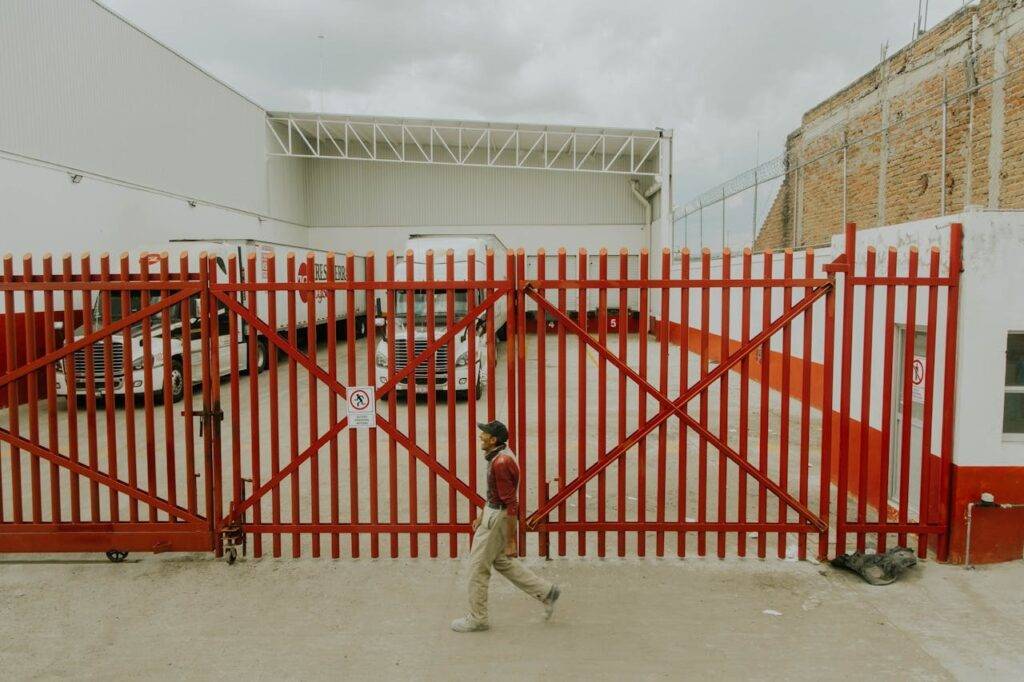
In our current landscape, companies dealing with private data or government projects often need secure spaces that follow strict rules. These spaces aren’t just about locked doors—they involve cutting-edge safety measures, limited entry, and following federal laws. If you’re building a new place or upgrading an old one, knowing what’s needed is key to avoiding big mistakes and staying compliant.
Know the Rules
The first step in making a secure space is learning the rules that control it. Government standards change based on the type of info you handle and how safe it needs to be. For instance, places working with secret information must follow orders from groups like the Department of Defence (DoD) or the Intelligence Community.
These standards include rules for physical security, electronic monitoring, and staff screening. Get to know guidelines like ICD 705 for Sensitive Compartmented Information Facilities (SCIFs) or NISPOM for defense contractors. Understanding these rules will help you design a facility that follows the rules from the start.
Pick the Best Location
Where you put your facility matters a lot for security. When choosing a site, think about how close it is to other businesses, how easy it is for approved staff to get there, and what weak spots it might have. Stay away from areas with lots of crime or environmental risks that could make security harder.
Also, think about growing in the future. If your work gets bigger, will the location let you add more secure spaces? Planning for this now can save you time and money while making sure you keep following the rules in the long run.
Work With Skilled Professionals
Creating a secure facility isn’t a project you can do yourself. It needs special knowledge and skills to meet government rules. Team up with architects, engineers, and builders who know how to design and build secure facilities. For projects with classified areas, you might need experts who know about SCIF construction. These spaces need strict specs for soundproofing, access control, and electromagnetic shielding.
Skilled professionals can help you through the approval process, work with government agencies, and make sure every detail follows the rules. This teamwork cuts down on risks and helps avoid holdups during inspections.
Put in Place Advanced Security Measures
Physical security is just one part of the puzzle. Modern secure facilities use advanced tech to protect sensitive info. Think about adding biometric access systems, security cameras, and sensors that detect intruders. Secure communication lines and data storage options are also key to stopping cyber threats.
Don’t forget about environmental controls. Many government rules require specific HVAC systems to keep air clean and prevent contamination. Fire suppression systems backup power, and extra infrastructure make security and reliability even better.
Get Ready for Inspections and Certifications
After you build your facility, it needs to pass tough inspections to prove it follows the rules. Government agencies will check everything from how strong the building is to electronic systems and staff protocols. Get detailed docs ready about your design, how you built it, and your security measures to speed up the approval process.
Regular checks and upkeep are just as crucial. Compliance doesn’t happen once—it’s a constant duty. Set up a timetable for checks, upgrades, and team training to keep your site safe and approved.
To Wrap Up
Building a safe site that meets government rules takes careful planning, expert help, and strict rule-following. Begin by grasping the needs, pick a smart spot, and team up with pros who know secure spaces. Put in place top-notch safety steps and stay ready for checks to keep following the rules over time. With the right plan, your business can guard sensitive info and work with confidence within government guidelines.