
30 seconds summary
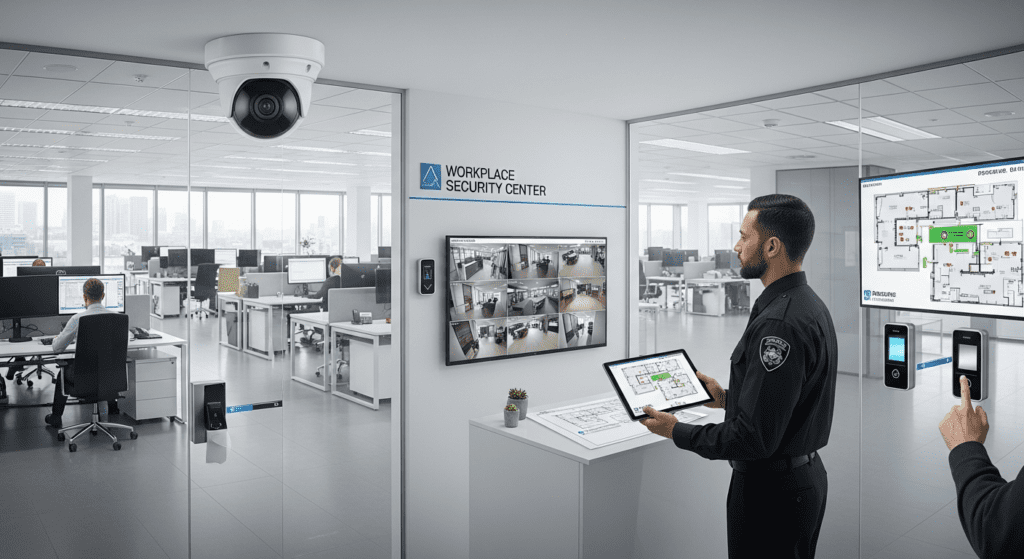
- Enhancing workplace security with cutting-edge surveillance technology involves integrating advanced systems like AI-powered cameras, facial recognition, and motion detection to proactively monitor and protect premises.
- These technologies improve incident response times, ensure employee safety, and provide real-time data analytics for better decision-making. Additionally, cloud-based storage allows for easy access to footage, while smart access control systems prevent unauthorized entry.
- Overall, these innovations create a safer, more secure work environment and help mitigate security risks.
In the evolving landscape of workplace security, the role of technology has become paramount in safeguarding assets, ensuring employee safety, and maintaining a secure environment for business operations. The advent of cutting-edge surveillance systems, especially mini surveillance cameras, has revolutionized the way security is managed in workplaces. These small but highly effective devices offer discrete monitoring and have proved invaluable in enhancing security protocols across a wide range of industries. This article will explore how mini surveillance cameras contribute to workplace security, highlighting their technological innovations, advantages, and best practices for implementation.
The Importance of Workplace Security
Workplace security is not only a matter of protecting physical assets but also safeguarding the well-being of employees and maintaining a company’s reputation. Security breaches, whether from external threats like theft or internal threats like workplace violence, can have devastating consequences for businesses. In recent years, companies have increasingly turned to sophisticated security systems to mitigate these risks. Surveillance systems, particularly those utilizing mini surveillance cameras, have become central to modern security strategies.
Mini cameras, often referred to as “spy cameras” or “hidden cameras,” offer an effective solution to monitor employees, premises, and high-risk areas without being intrusive. Their compact size allows them to be placed in inconspicuous locations, making them ideal for both covert and overt surveillance.
Mini Surveillance Cameras: Features and Benefits
Mini surveillance cameras have evolved significantly from their early predecessors. These modern systems come equipped with advanced features that enhance security management and provide several benefits over traditional, larger surveillance equipment. Below are some of the key features and advantages:
- Discrete Monitoring: One of the most significant advantages of mini surveillance cameras is their ability to blend into their surroundings. Their compact size means they can be installed in areas where larger cameras might be too obvious or conspicuous, such as inside office equipment, light fixtures, or ventilation systems. This level of discretion makes them ideal for monitoring sensitive areas without alerting potential intruders or employees to their presence.
- High Definition and Clear Imaging: Advances in camera technology have allowed mini cameras to produce high-definition video footage. Many models now offer 1080p or even 4K resolution, ensuring that every detail is captured clearly. High-definition imaging can be crucial in identifying perpetrators, recording incidents, or providing evidence in case of legal disputes.
- Remote Access and Monitoring: Modern mini surveillance cameras are often integrated with cloud-based systems, enabling business owners or security personnel to access live feeds and recorded footage remotely. This remote access allows for constant monitoring, regardless of location, and provides an added layer of convenience for business owners who need to oversee operations in multiple locations.
- Motion Detection: Mini surveillance cameras are often equipped with motion sensors that trigger recording only when movement is detected. This feature not only conserves storage space but also ensures that relevant events are captured. Motion-activated recording is particularly useful for monitoring areas that are not constantly occupied, such as storage rooms, parking lots, or hallways.
- Night Vision Capabilities: Many mini cameras come with infrared (IR) technology, enabling them to capture clear footage in low-light or complete darkness. Night vision ensures that security is maintained at all hours, whether during nighttime or in dimly lit environments like warehouses or parking structures.
- Durability and Weather Resistance: Depending on the model, mini surveillance cameras can be weatherproof, shockproof, and resistant to harsh conditions. This durability makes them suitable for outdoor applications, providing continuous surveillance even in challenging weather conditions.
- Cost-Effective Solution: While high-end, traditional surveillance systems can be expensive to install and maintain, mini surveillance cameras offer a more affordable alternative. Their compact design requires fewer installation resources, and many systems are relatively inexpensive compared to larger, more complex security setups.
- Increased Employee Safety and Accountability: With mini cameras discreetly placed throughout the workplace, employees are aware (or in some cases, unaware) that they are being monitored. This can promote a sense of safety, deter potential workplace violence, and encourage employees to adhere to safety protocols. Moreover, the presence of cameras can reduce instances of misconduct, as the footage serves as a deterrent against inappropriate behavior.
Applications of Mini Surveillance Cameras in the Workplace
Mini surveillance cameras can be employed in a variety of settings within the workplace, each contributing to a unique aspect of security. Below are some of the key areas where these devices play a vital role:
- Monitoring High-Risk Areas: Some areas within a workplace are more prone to security breaches, such as cash-handling areas, server rooms, or restricted zones. Mini cameras can be strategically placed in these locations to monitor activity and prevent unauthorized access. For example, in a retail environment, a hidden mini camera can observe cash registers and back-office areas without being immediately noticeable to customers or employees.
- Preventing Theft and Vandalism: Both internal and external theft can be significantly reduced with the use of mini surveillance cameras. Whether monitoring inventory in a warehouse, securing office supplies, or surveilling parking lots, these cameras help detect suspicious activity before a crime is committed. The presence of cameras often acts as a deterrent, as potential thieves are less likely to act if they know they are being watched.
- Ensuring Compliance with Workplace Policies: In industries where adherence to safety standards is crucial, such as manufacturing or construction, mini cameras can be used to monitor employee behavior and ensure compliance with regulations. This includes verifying that workers are using proper protective gear, following safety procedures, and avoiding risky behavior.
- Preventing Workplace Harassment and Violence: Workplace harassment and violence are serious concerns that can disrupt operations and harm employees. Mini cameras can act as an additional measure to monitor sensitive areas such as break rooms, restrooms, and hallways, ensuring that any incidents are documented. The mere presence of surveillance can often deter inappropriate behavior, providing a safer environment for all workers.
- Employee Productivity Monitoring: While employee surveillance can raise concerns about privacy, mini surveillance cameras can be used ethically to track productivity in certain environments. For instance, they can monitor assembly lines, check for adherence to work schedules, or ensure that employees are staying focused on their tasks. This can help identify bottlenecks in operations or areas where additional training may be needed.
- Evidence Collection for Investigations: In the event of an incident, such as an accident, theft, or dispute, mini surveillance cameras provide valuable evidence that can be used for internal investigations or legal proceedings. High-definition recordings can provide a clear account of events, helping to resolve conflicts or clarify misunderstandings.
Best Practices for Implementing Mini Surveillance Cameras
While mini surveillance cameras offer numerous advantages, their effectiveness depends on proper implementation and adherence to legal and ethical standards. Below are some best practices for integrating mini surveillance systems into workplace security:
- Comply with Legal Regulations: Before installing surveillance cameras in the workplace, it is essential to familiarize oneself with local and national laws regarding privacy and surveillance. Many jurisdictions have strict regulations about where cameras can be placed and how footage can be used, particularly in areas where employees have a reasonable expectation of privacy, such as restrooms or changing rooms.
- Incorporate Clear Security Policies: Employees should be informed of the presence of surveillance cameras and the purpose they serve. Establishing clear policies regarding surveillance helps maintain transparency and trust between management and staff. This transparency also helps avoid misunderstandings about privacy rights and ensures that employees are aware of the monitoring practices in place.
- Strategic Placement: The effectiveness of mini surveillance cameras depends on where they are placed. Cameras should be installed in areas that are critical to security but without intruding on employees’ privacy. Careful consideration should be given to the placement of cameras to ensure that they capture the necessary footage without causing discomfort or suspicion.
- Data Storage and Security: Surveillance footage should be stored securely to prevent unauthorized access. Depending on the system, footage can be saved locally or uploaded to the cloud for easy access and retrieval. It’s crucial to set up proper protocols for data storage, ensuring that footage is kept for the appropriate amount of time before being deleted or archived.
- Maintain and Test the Equipment: Regular maintenance and testing of mini surveillance cameras are essential to ensure they remain functional. Dust, weather conditions, and other factors can affect camera performance, so periodic inspections and updates should be part of the security protocol.
- Use Cameras Ethically: Surveillance should be used responsibly, ensuring that it is not overbearing or invasive. The goal of mini surveillance cameras is to enhance security, not to create a culture of mistrust. Balancing security measures with employee autonomy and privacy is crucial for maintaining a positive workplace environment.
Conclusion
Mini surveillance cameras have become an essential tool in modern workplace security, providing a discreet, effective, and cost-efficient way to protect assets, monitor behavior, and ensure employee safety. Their small size, combined with high-definition resolution, motion detection, and remote access capabilities, makes them a powerful addition to any security strategy. However, like any security system, mini cameras must be implemented carefully and ethically, with attention to legal regulations, employee privacy, and transparency. When used responsibly, mini surveillance cameras can significantly enhance workplace security, contributing to a safer and more productive environment for all.