
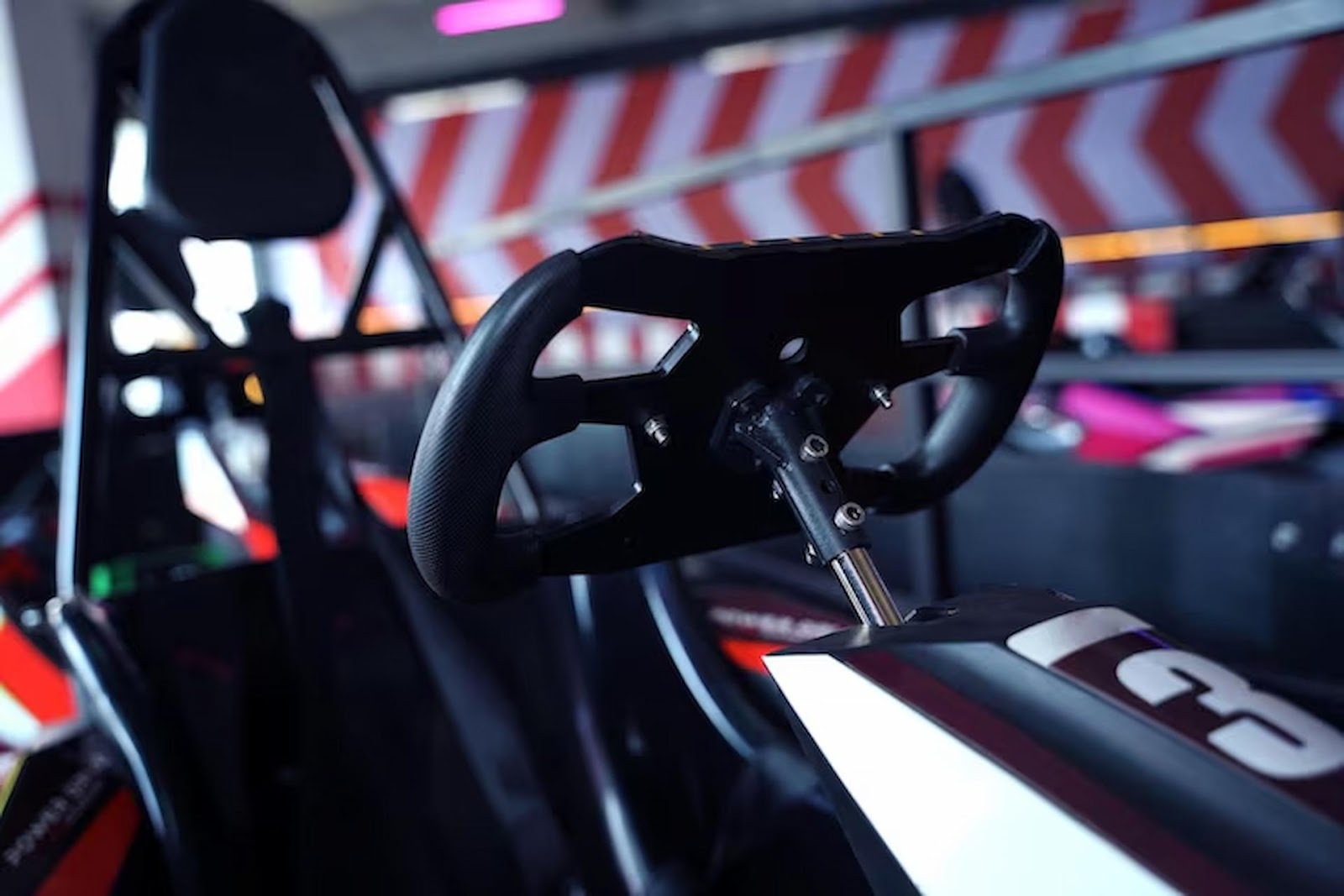
In the UK, sim racing is a serious pursuit where precision meets passion. With organised leagues, advanced home setups, and demanding schedules, British sim racers juggle high-level realism alongside real-world commitments. This guide takes you inside how they manage their time, tailor their racing spaces, and structure a full sim racing season.
Sim racing has grown from a niche pastime into a structured competitive pursuit across the UK. What once required little more than a wheel and screen now involves leagues, licences, detailed setups, and disciplined routines. For many enthusiasts, life as a Sim Racer UK is about more than fast laps. It is about community, consistency, and managing limited time alongside work and family commitments. British sim racers operate in a mature ecosystem shaped by online platforms, scheduled championships, and evolving hardware standards. Understanding how these elements fit together is key to enjoying the hobby long term without burnout.
The UK Sim Racing Landscape
The UK sim racing scene is defined by structure and reliability. Leagues typically run on fixed calendars, often mirroring real-world motorsport seasons. Races are scheduled in the evenings, reflecting local work patterns and time zones.
Most UK-focused leagues emphasize:
- Sporting regulations and stewarding
- Consistent race nights
- Driver grading and safety ratings
- Clear promotion and relegation paths
This structured environment rewards preparation and commitment rather than raw speed alone. As a result, many racers treat sim racing like a club sport rather than casual gaming.
Where Competition Lives: Navigating UK Sim Racing Leagues
1. Understanding League Formats
UK leagues generally fall into a few clear formats:
- Sprint championships with short races
- Endurance leagues with team entries
- Seasonal series based on specific cars or eras
Selecting the right format depends on available time and preferred race length. Shorter formats suit busy schedules, while endurance leagues demand planning and teamwork.
2. Entry Requirements and Expectations
Most leagues require:
- Registration and driver profiles
- Attendance commitments
- Familiarity with race rules
Meeting these expectations improves race quality and ensures a positive experience for all participants.
3. Balancing Competition Levels
UK leagues often separate drivers by pace and experience. This reduces frustration and allows skill development in competitive but respectful grids.
Building a Race-Ready Rig Without Taking Over Your Home
1. Space Planning in UK Homes
Many UK sim racers operate within limited space. Practical setups prioritise:
- Foldable or compact rigs
- Desk-mounted wheel systems
- Multi-use rooms
Efficient layout choices help integrate sim racing into everyday living without disruption.
2. Hardware Essentials vs Upgrades
A reliable setup focuses on consistency rather than constant upgrades. Core components include:
- Force-feedback wheelbase
- Load-cell or progressive pedals
- Stable seating or mounting
Advanced upgrades should only follow once comfort and reliability are achieved.
3. Optimising for Comfort and Consistency
Comfort directly affects lap times and concentration. Proper seating height, pedal distance, and monitor positioning reduce fatigue during longer races.
The Digital Side of Racing: Platforms, Tools, and Preparation
1. Simulation Platforms Popular in the UK
UK sim racers often gravitate towards platforms that offer:
- Structured online racing
- British time-zone-friendly servers
- Active league support
These platforms support long-term progression rather than casual play.
2. Practice Management Tools
Effective practice relies on:
- Telemetry analysis
- Setup testing sessions
- Controlled practice schedules
Focused sessions prevent wasted time and improve learning efficiency.
3. Race Preparation Routines
Preparation typically includes:
- Reviewing track limits
- Fuel and tyre planning
- Understanding race regulations
This structured approach reduces mistakes during live events.
Racing Against the Clock: Making Time in a Busy UK Schedule
1. Scheduling Around Work and Family
Most UK sim racers race in the evenings. Successful time management includes:
- Fixed weekly race nights
- Short, focused practice sessions
- Clear communication with household members
Consistency matters more than frequency.
2. Avoiding Burnout
Burnout is common when racing feels obligatory. Preventative strategies include:
- Skipping non-essential events
- Rotating series participation
- Taking planned breaks
Enjoyment should remain the primary motivation.
3. Setting Realistic Goals
Progress in sim racing is gradual. Realistic goals might include:
- Improving race finishes rather than wins
- Reducing incident points
- Completing full seasons cleanly
This mindset supports long-term engagement.
More Than Lap Times: Community, Conduct, and Credibility
1. Communication Standards
UK leagues often enforce strict communication rules. Clear, respectful voice and text communication maintain professionalism and reduce conflicts.
2. Stewarding and Accountability
Post-race reviews and stewarding decisions are common. Accepting feedback constructively improves both individual performance and league standards.
3. Reputation Building
Consistency, fairness, and reliability build a strong reputation within the UK sim racing community. This often leads to invitations to higher-tier leagues and events.
The Real Cost of Virtual Racing: Budgeting Smartly
1. Managing Ongoing Expenses
Sim racing involves recurring costs such as:
- Subscription fees
- League entry fees
- Hardware maintenance
Planning these expenses prevents unexpected financial strain.
2. Avoiding Unnecessary Spending
Many racers overspend early. A measured approach focuses on skill development before equipment upgrades.
3. Value of Long-Term Investment
Quality equipment lasts for years when properly maintained, offering better value than frequent incremental purchases.
Frequently Asked Questions
What is sim racing, and how popular is it in the UK?
Sim racing is competitive virtual motorsport using realistic racing software and specialised hardware. In the UK, it has grown rapidly due to organised leagues, structured championships, and strong online communities. Many racers treat it like a club sport, with regular race nights, stewarding, and clear progression paths.
How much time do UK sim racers typically spend racing each week?
Most UK sim racers dedicate one to three evenings per week, including practice and race sessions. Time commitment varies by league format, but consistency is prioritised over frequency. Structured schedules allow racers to balance competition with work, family, and other responsibilities.
Do I need expensive equipment to start sim racing in the UK?
No. Entry-level sim racing is accessible with a basic wheel, pedals, and a stable mounting solution. While advanced equipment can enhance realism, performance depends more on comfort, consistency, and practice. Many UK racers upgrade gradually as their skills and commitment increase.
How do sim racing leagues in the UK work?
UK sim racing leagues operate on fixed calendars with scheduled race nights, rules, and stewarding systems. Drivers usually register for a season, compete in ranked divisions, and follow sporting regulations. This structure promotes fairness, clean racing, and long-term driver development.
Is sim racing suitable for people with limited space at home?
Yes. Many UK sim racers use compact rigs, foldable frames, or desk-mounted setups to accommodate smaller living spaces. Efficient space planning allows sim racing to coexist with everyday home use without requiring a dedicated room.
Can sim racing become overwhelming or time-consuming?
It can if not managed carefully. Overcommitting to multiple leagues or excessive practice can lead to fatigue. UK sim racers often avoid burnout by setting realistic goals, racing selectively, and maintaining a balance between competitive focus and enjoyment.
Conclusion
Life as a sim racer in the UK is a balance of structure, discipline, and enjoyment. Leagues provide competitive frameworks, while practical setups ensure racing fits into everyday living spaces. Time management remains the defining challenge, requiring realistic scheduling and clear priorities. By focusing on consistency, comfort, and community standards, UK sim racers sustain long-term involvement without burnout. The most successful racers are not those who race the most, but those who race with purpose and preparation. Platforms like Sim Racer UK support this balanced approach by centralising information, guidance, and community insight. With the right mindset and structure, sim racing becomes a rewarding part of life rather than an added pressure. For anyone committed to the hobby, understanding these dynamics is essential for progress and enjoyment.