
Table of Contents
- Understanding Fall Protection Systems
- Essential Safety Equipment
- Conducting Risk Assessments
- Importance of Training and Competency
- Weather Considerations
- Regular Equipment Inspection and Maintenance
- Emergency Preparedness
- Fostering a Safety Culture
Working at elevated positions carries inherent risks, making proper preparation and safety measures essential. Understanding the correct use of equipment, identifying potential hazards, and following established safety protocols can significantly reduce the likelihood of accidents. Ensuring that workers are trained and confident in their tasks is also key to maintaining a safe work environment.
Utilizing comprehensive guidance and reliable equipment, such as that offered by Platforms and Ladders, is critical for any organization seeking to ensure the well-being of its teams. Selecting the right support structures, regularly inspecting them, and adhering to weight and height limitations are practical steps that contribute to safer operations. By combining awareness, training, and dependable tools, businesses can create a work environment where elevated tasks are performed efficiently without compromising safety.
Understanding Fall Protection Systems
Fall protection systems are multi-layered strategies designed to reduce the likelihood and consequences of falls in elevated work environments. Each system addresses a specific aspect of fall risk, and combining these methods provides the best protection against injury.
- Fall Elimination: Whenever possible, redesign activities to be completed at ground level or with mobile work platforms to remove exposure to height-related risks entirely.
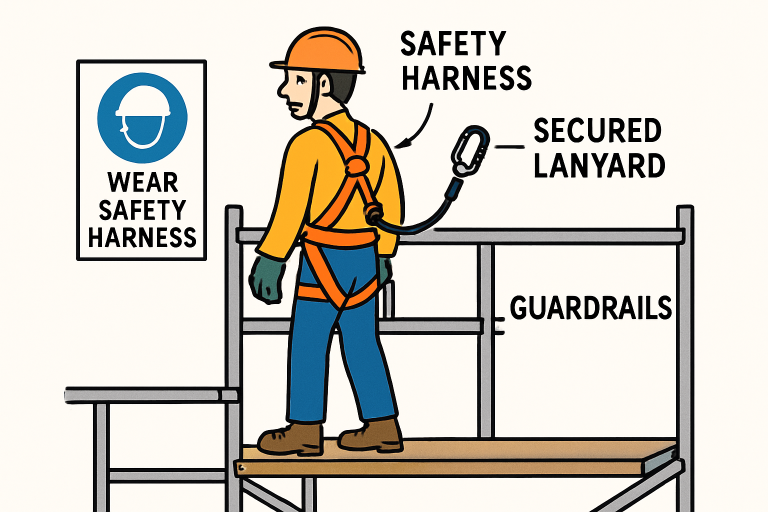
- Fall Prevention: Engineered controls such as guardrails, barriers, or self-closing gates physically prevent workers from accessing edges and unprotected areas.
- Fall Arrest: Harnesses and shock-absorbing lanyards will halt a fall in progress, limiting injury by distributing impact forces appropriately and reducing total fall distance.
- Administrative Controls: Training, signage, and enforced protocols ensure personnel remain aware of applicable hazards and understand the proper use of equipment and procedures for each job site.
An effective fall protection program incorporates a combination of these categories, adapted for site-specific hazards, operations, and workforce expertise levels.
Essential Safety Equipment
Personal and collective protective gear remains the most visible and immediate line of defense against workplace falls. The selection of equipment should be tailored to both the job description and environment, while also meeting or exceeding applicable safety standards.
- Full-Body Harnesses: Designed to distribute arresting forces over a worker’s thighs, pelvis, chest, and shoulders to maximize protection and minimize the chance of injury when stopping a fall.
- Lanyards and Lifelines: These vital connectors keep workers tethered to secure anchor points, drastically limiting the risk of uncontrolled movement or dangerous falls.
- Anchorage Points: Every tie-off location must be specifically rated and capable of supporting fall arrest loads, ensuring secure attachment at all times.
- Guardrails and Safety Nets: Ideal for group protection, they reduce exposure to hazards by providing robust physical barriers or safety catches at ground level beneath elevated working areas.
Select equipment that is compatible and regularly inspected during your daily site checks.
Conducting Risk Assessments
A risk assessment is foundational to a safe working-at-heights strategy. Proper preparation starts with a careful review of the environment, personnel, and necessary equipment.
- Site Inspection: Thoroughly examine potential work areas for loose or unstable surfaces, exposed edges, trip hazards, and any obstacles that could complicate rescue operations.
- Task Analysis: Identify all activities to be conducted and their specific hazards, so the right tools and safeguards can be selected in advance.
- Control Measures: Implement administrative or engineering controls based on the findings. This could involve designating safe walkways, restricting access to hazardous areas, or installing additional fall protection devices.
Frequent, ongoing assessments should be integrated into daily operations and reviewed whenever there are changes in the worksite configuration, personnel, or project scope.
Importance of Training and Competency
Even the most advanced equipment is useless without skilled users, highlighting the need for training and competency for safety. Effective programs help team members recognize fall hazards, follow safety rules, and respond quickly to emergencies. Employees learn proper use, adjustment, and storage of fall protection gear and site-specific emergency procedures, including rescue and medical response. Regular refreshers and drills keep skills current, ensure safety knowledge remains sharp, and prepare everyone to act confidently in emergencies.
Weather Considerations
Environmental conditions play a substantial role in the safety of working at heights. From temperature extremes to unexpected storms, weather factors can quickly shift risk levels on even the most routine tasks.
- Wind: Limits visibility and balance, making ladder and scaffold use more dangerous and increasing the risk of dropped tools and materials.
- Rain and Ice: Lead to slippery surfaces, impaired mobility, and increased dangers during equipment transitions.
- Extreme Heat or Cold: Can compromise both worker concentration and the performance of harnesses or anchorages, introducing fatigue and mechanical failures.
Monitor the forecast, and prioritize postponing or rescheduling jobs if weather conditions elevate site risks.
Regular Equipment Inspection and Maintenance
Regular inspection and maintenance of equipment are vital for early detection of wear or malfunctions, helping to prevent accidents. Employees should carry out a pre-use check before each shift, looking for cuts, fraying, corrosion, or missing parts. Additionally, scheduled inspections by qualified specialists offer a thorough, documented review, ensuring compliance and addressing emerging issues before they endanger safety. Incorporating these practices into your routine helps organizations protect their equipment investment, prolong its lifespan, and improve overall site safety.
Emergency Preparedness
All teams must have clear, concise emergency protocols in place before any work at height. This includes regular rescue drills and accessible documentation for every worker on-site.
- Rescue Plans: Detail the steps, roles, and equipment required to retrieve a worker who has fallen while awaiting medical attention.
- Communication Systems: Establish clear channels for rapid notification, including two-way radios, alarms, or mobile phones.
- First Aid Training: Ensure a targeted number of staff members are qualified to administer basic first aid and manage trauma until paramedics arrive.
Fostering a Safety Culture
Creating a safety culture helps prevent falls and accidents by encouraging responsibility among everyone. Encouraging hazard reporting supports open communication and quick risk management. Ongoing improvements, guided by incident reports and feedback, refine safety procedures. Leadership’s active participation, through training and safety conversations, demonstrates dedication. These actions foster vigilance, accountability, and a collective aim for injury-free workplaces.
Conclusion
Working at heights is inherently risky, but with proper planning, training, and equipment, those risks can be effectively managed. By combining thorough risk assessments, reliable safety gear, weather awareness, and a strong safety culture, organizations can protect their teams while maintaining productivity. Regular inspections, ongoing competency development, and clear emergency procedures ensure that elevated work is conducted efficiently and safely, giving workers and employers confidence that every precaution has been taken.