(photo credit: Microsoft Stock Images)
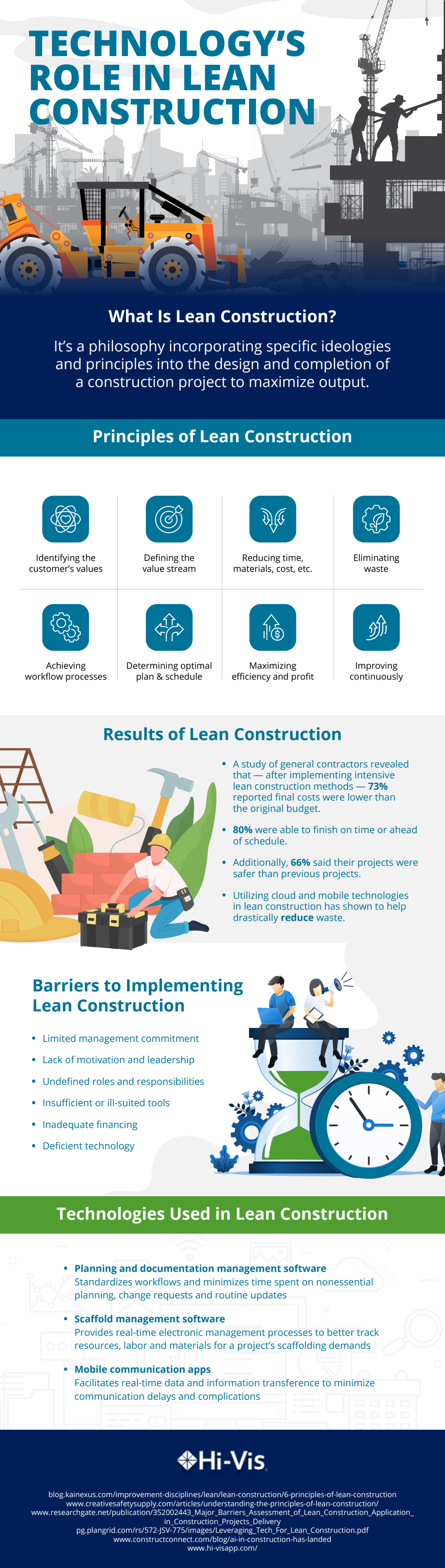
Lean construction has always chased one idea. Less waste. More value. What has changed is the velocity. Technology now sits at the center of that pursuit, quietly reshaping how projects think, react, and move. Screens replace clipboards. Data hums in the background. Decisions tighten. The job site feels different because it is different.
Planning That Breathes Instead of Breaks
Old schedules freeze the moment reality shows up. Digital planning tools do the opposite. They flex. Tasks expand, compress, and rearrange. A crew finishes early. Another stall. The plan absorbs it.
Visual timelines pull everyone into the same mental map. Dependencies become visible. Constraints stand out like warning lights. Short meetings suddenly matter because the information is current. The plan stops being a document and starts acting like a living system that updates as fast as the work itself.
Waste Has Fewer Places to Hide
Waste thrives in silence. Technology interrupts it. Field data tools capture delays, material usage, and work stoppages in real time. Patterns surface. Too much material ordered on one floor. Rework repeating in the same sequence. Labor waiting instead of building.
Once these signals appear, they are hard to ignore. Lean thinking thrives here. Problems become specific. Solutions become targeted. Effort moves away from guesswork and into evidence.
Communication That Travels at Job Site Speed
Lean construction depends on alignment. Technology accelerates it. Shared platforms centralize drawings, updates, and field questions. No scavenger hunts through inboxes. No outdated prints taped to walls. Everyone sees the same information at the same moment.
Mobile access changes behavior. A foreperson checks details without leaving the work zone. A conflict gets flagged early. The feedback loop tightens. Momentum holds.
Automation Smooths the Rough Edges
Repetition invites inconsistency. Automation pushes back. Digital inspections follow the same steps every time. Reports generate themselves. Documentation completes without chasing signatures. The work gains rhythm.
Construction timekeeping plays a quiet role here. Labor hours log automatically. Patterns emerge. Productivity becomes visible without friction. Future plans sharpen because the past is no longer fuzzy.
Measurement That Actually Changes Behavior
Lean improvement depends on reflection. Technology supplies the mirror. Dashboards track schedule reliability, safety events, quality checks. Numbers update daily. Sometimes hourly. Teams review them. Adjustments follow. Small changes compound.
The data does not judge. It reveals. That visibility creates accountability without lectures and improvement without guesswork.
Systems That Talk to Each Other
Disconnected tools slow everything down. Integration speeds it up. When planning systems connect to field reporting, when labor data links to scheduling, and when documentation flows into closeout without manual handoffs, the project stops fragmenting. Information travels cleanly.
This connectivity matters more as projects grow. Lean principles scale better when systems share context instead of competing for attention.
Technology does not replace lean construction. It amplifies it. Waste shrinks because it is seen sooner. Flow improves because decisions arrive faster. Value stays central because effort aligns with reality. The job site becomes calmer, sharper, and far more intentional. Check out the accompanying resource below for more information.