
Key Takeaways
- Digital tools enhance real-time monitoring and reporting, supporting proactive safety management.
- Automation reduces human error and speeds up compliance activities.
- Comprehensive digital integration encourages a company-wide commitment to continuous safety improvement.
Table of Contents
- Enhancing Real-Time Monitoring and Reporting
- Automating Compliance Processes
- Integrating Technologies for Comprehensive Safety Management
- Case Study: Implementing Digital Tools in the Power Generation Sector
- Overcoming Challenges in Digital Transformation
- Future Trends in Digital Safety and Compliance
- Conclusion
Today’s industrial landscape is evolving rapidly, and this evolution comes with an increasing need for robust safety and compliance management. Traditional approaches often struggle to keep pace with changing regulations and workplace challenges. Forward-thinking organizations are embracing digital solutions that offer real-time visibility, automation, and integration to strengthen safety and streamline compliance management. Companies like Brycer exemplify how digital tools can help businesses proactively address compliance and create safer work environments.
Digital tools are not just a fleeting trend but a transformative force for every industry seeking to mitigate risk and optimize its compliance operations. By leveraging new technologies, organizations can monitor hazards as they arise, set up effective automated routines, and foster a culture of safety awareness from the ground up. This transformation is essential in today’s regulatory climate, where oversight is increasing, and mistakes can be both dangerous and costly.
Managing compliance is no longer just about box-checking for regulators; it’s about protecting people, assets, and reputations through smarter, faster, and more reliable systems. Ultimately, digital transformation gives organizations the tools to anticipate issues, respond proactively, and close compliance gaps long before they become liabilities. Industry leaders are already reaping the benefits by staying ahead in both safety and efficiency.
For a deeper dive into how businesses are leveraging digital compliance frameworks, authoritative sources such as the National Safety Council can offer insights into trends and case studies in this rapidly shifting landscape.
Enhancing Real-Time Monitoring and Reporting
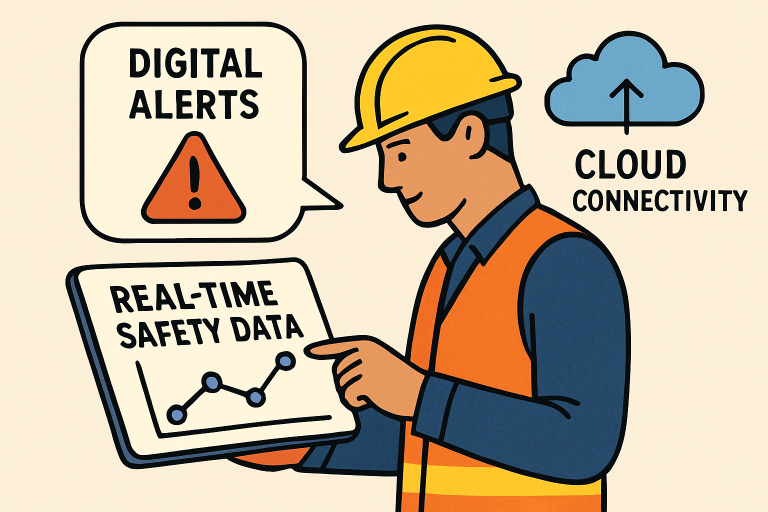
Digital tools have revolutionized the way companies can track and address safety concerns in real time. Technologies like wearable sensors, wireless monitoring platforms, and connected safety devices collect live data on environmental hazards and on-site worker well-being. Supervisors can access dashboards that show current risks, in-progress safety incidents, and critical maintenance needs as they arise. This real-time feedback loop enables quick intervention and evidence-based decision-making, reducing the time between hazard detection and corrective action.
According to McKinsey & Company, organizations that use advanced analytics and sensor-based monitoring report significant reductions in workplace injuries and faster responses to compliance issues. Real-time insight not only helps prevent accidents but also supports compliance with increasingly complex regulatory standards, making workplaces both safer and more agile.
Automating Compliance Processes
Compliance management often involves repetitive, time-consuming tasks such as scheduling inspections, tracking documentation, and reporting incident data. Automation, powered by digital tools, is transforming these processes. Organizations can now rely on software that automatically reminds responsible personnel of required inspections, completes digital checklists, and securely stores documentation. Automated workflows help ensure no steps are missed and that records are instantly accessible for internal or regulatory reviews.
By replacing error-prone manual processes with digital automation, companies not only reduce the risk of costly compliance gaps but also free up valuable staff time for more strategic safety initiatives. Platforms that offer comprehensive automation features also support better auditing, simplified investigations, and trend analysis that can drive continuous improvement.
Integrating Technologies for Comprehensive Safety Management
Integration is at the heart of effective digital safety management. Combining data from Internet of Things (IoT) sensors, AI-driven analytics, and cloud-based collaborative platforms creates a unified ecosystem for safety and compliance oversight. These integrated systems highlight emerging risks, unsafe behaviors, and potential compliance violations, providing stakeholders with a clear, actionable picture of their safety landscape.
For organizations dealing with broad geographic operations or complex workflows, integration ensures that every department and site speaks the same language on safety standards and that best practices can scale seamlessly. Unified data structures and interoperable platforms foster transparency, accountability, and a company-wide culture of proactive risk management.
Case Study: Implementing Digital Tools in the Power Generation Sector
Transforming Compliance With Digital Solutions
The power generation sector has undergone an industry-wide shift as companies adopt digital tools to enhance safety and compliance. Traditional paper-based systems were not only cumbersome but left critical gaps in field documentation and incident response. By integrating digital reporting, automated alerts, and cloud-based compliance management applications, power generation facilities have drastically reduced their administrative burden and improved their alignment with evolving safety codes.
These efforts have paid off with improved risk assessment processes, faster closeout of compliance tasks, and enhanced transparency during regulatory inspections. As regulatory scrutiny continues to increase on high-hazard industries, digital tools will remain essential to maintaining a competitive edge and robust compliance posture.
Overcoming Challenges in Digital Transformation
Digital transformation is not without challenges. Transitioning from legacy systems to advanced digital platforms can meet with skepticism from staff who prefer traditional practices. Investment in new technology, training programs, and change management initiatives can be significant. However, organizations that focus on clear communication, robust training, and leadership buy-in are more likely to achieve successful transformation. Evidence shows that, over time, these investments pay dividends in operational efficiency, reduced errors, and stronger safety cultures.
Encouraging an adaptive mindset and demonstrating quick wins using digital tools helps to overcome resistance and build enthusiasm throughout the organization.
Future Trends in Digital Safety and Compliance
The future of safety and compliance management lies in even deeper technology integration. Artificial intelligence (AI) and machine learning are being harnessed to predict problems before they escalate, enabling truly preventative safety strategies. Advanced automation solutions are handling ever more complex compliance tasks, from automatic risk scoring to real-time regulatory adaptation as laws change. These trends are transforming compliance from a reactive necessity into a dynamic, integrated driver of operational excellence. Companies that embrace these innovations will be best positioned to maintain regulatory compliance and protect their workforce.
Conclusion
Digital tools are fundamentally changing the nature of safety and compliance management. By enhancing real-time monitoring, automating repetitive compliance activities, and supporting holistic integration, these solutions empower organizations to achieve new levels of safety, efficiency, and regulatory confidence. As technology continues to advance, businesses that invest in digital transformation will find themselves better equipped to protect their workers, their assets, and their reputations in an increasingly regulated and complex world.