
Ever found yourself standing in front of a catalogue of engineering plastics, wondering which material will deliver the results your project needs? Or perhaps you’ve heard colleagues rave about Delrin rod but aren’t quite sure what makes it so special? You’re definitely not alone in this.
Choosing the right material for your engineering project can feel overwhelming, especially when you’re weighing up factors like strength, machinability, and cost-effectiveness. The good news? Delrin rod has earned its reputation as a go-to choice for engineers across Australia, and for very good reason. This versatile engineering plastic offers an impressive combination of mechanical properties that make it suitable for everything from precision gears to food processing equipment.
In this guide, we’ll walk you through everything you need to know about selecting the best white Delrin rod for your specific needs. You’ll learn about key Delrin rod properties, understand how it compares to alternatives like POM sheet, and discover practical tips for machining and fabrication. Whether you’re a seasoned engineer or just getting started with engineering plastics, you’ll come away with the knowledge to make confident purchasing decisions.
What Is Delrin Rod? Understanding the Basics
Delrin is actually a brand name owned by DuPont for their polyoxymethylene (POM) homopolymer. It’s an engineering thermoplastic known for its exceptional stiffness, low friction, and excellent dimensional stability. Think of it as the premium option in the POM family.
Delrin vs POM: Are They the Same Thing?
Here’s where things get a bit confusing. While all Delrin is POM, not all POM is Delrin. POM comes in two main forms: homopolymer (like Delrin) and copolymer. Homopolymer versions typically offer better mechanical strength and hardness, while copolymers provide improved chemical resistance. When you’re sourcing materials, always check whether you’re getting genuine Delrin or a generic POM alternative.
Why Choose White Delrin Over Other Colours?
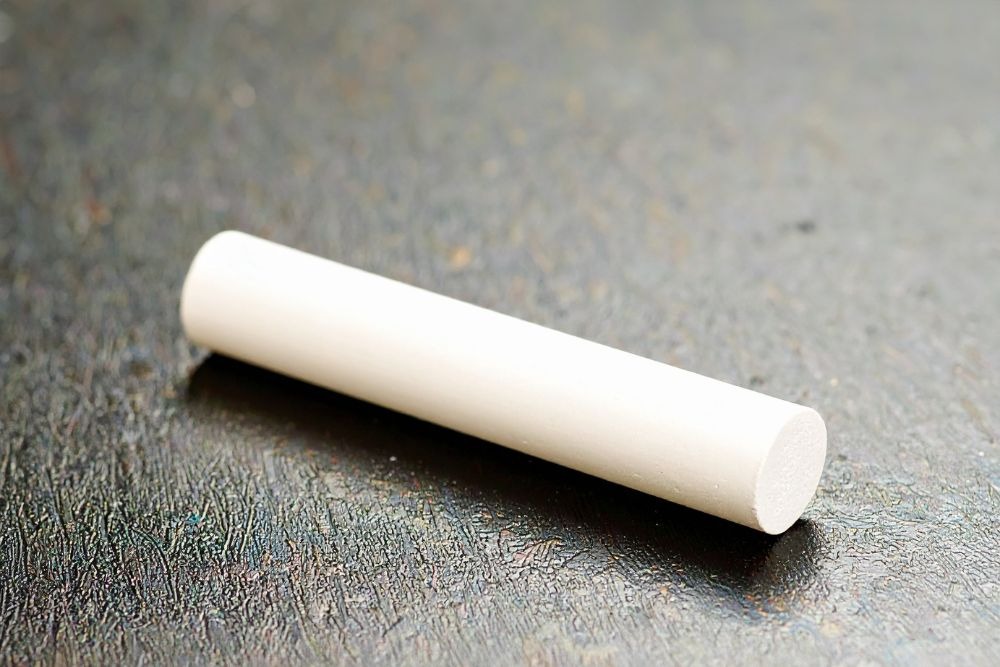
White Delrin rod is the natural, unpigmented form of the material. It offers the purest mechanical properties since no additives have been introduced. Plus, it’s easier to spot contamination or defects during quality inspection. For food processing or medical applications, white is often the preferred choice for hygiene and visibility reasons.
Key Delrin Rod Properties Every Engineer Should Know
Understanding Delrin rod properties is essential before committing to any purchase. Let’s break down what makes this material tick.
Mechanical Strength and Durability
Delrin rod boasts impressive tensile strength, typically around 70 MPa, making it suitable for load-bearing applications. It maintains its structural integrity under repeated stress, which is why it’s popular for gears, bearings, and bushings. The material also resists creep, meaning it won’t gradually deform under constant pressure.
Chemical and Moisture Resistance
One standout feature is Delrin’s low moisture absorption—around 0.2%. This means your components won’t swell or warp in humid conditions. It also resists many solvents, fuels, and chemicals, though it’s worth noting that strong acids and oxidising agents can cause degradation.
Friction and Wear Characteristics
The low coefficient of friction makes Delrin rod ideal for sliding and rotating applications. Parts made from Delrin often don’t require additional lubrication, reducing maintenance requirements and operational costs. This self-lubricating property is particularly valuable in food processing, where contamination must be avoided.
Temperature Tolerance and Stability
Delrin performs reliably across a temperature range of approximately -40°C to 80°C for continuous use. It maintains dimensional stability even with temperature fluctuations, which is crucial for precision engineering applications.
What Is Delrin Rod Used For in Engineering Applications?
Common Industrial Uses Across Australian Industries
Australian engineers rely on Delrin rod across numerous sectors:
– Mining equipment: Wear strips, guide rails, and bushings
– Food processing: Conveyor components, rollers, and cutting boards
– Automotive: Fuel system parts, clips, and fasteners
– Agriculture: Machinery components exposed to moisture and chemicals
– Manufacturing: Precision gears, bearings, and jigs
When to Choose Delrin Rod Over POM Sheet
Delrin rod is your best bet when you need to machine cylindrical parts like bushings, rollers, or shafts. If your design requires flat components, POM sheet might be more economical since you’ll waste less material. Consider your final part geometry before ordering.
How Do You Select the Right Diameter and Length?
Matching Rod Dimensions to Your Project Requirements
Start by calculating your finished part dimensions, then add machining allowance. A general rule is to select a rod diameter at least 5-10mm larger than your finished component. This gives you room for facing operations and ensures you can achieve clean surfaces without running out of material.
Standard Sizes Available in Australia
Most Australian suppliers stock Delrin rod in diameters ranging from 10mm to 200mm, with lengths typically at 1000mm or 3000mm. Larger diameters may require special ordering and longer lead times. Always check availability before finalising your design to avoid project delays.
What Should You Look for When Buying Delrin Rod?
Quality Grades and Certifications
Not all Delrin rod is created equal. Look for suppliers who can provide:
– Material certificates confirming genuine Delrin (not generic POM)
– Food-grade certification if required for your application
– Consistent batch quality and traceability
Comparing Suppliers: Price vs Performance
The cheapest option isn’t always the best value. Consider factors like material consistency, delivery reliability, and technical support. A slightly higher price from a reputable supplier often pays off through fewer rejected parts and better overall project outcomes.
Is Delrin Rod Easy to Machine and Fabricate?
Machining Tips for Best Results
Delrin machines beautifully with standard metalworking tools. Keep these tips in mind:
– Use sharp tools to prevent material from melting or smearing
– Maintain moderate cutting speeds—too fast generates excessive heat
– Allow for material relaxation before final finishing cuts
– Use coolant sparingly; Delrin doesn’t require heavy cooling
Common Mistakes to Avoid
Watch out for these pitfalls:
– Clamping too tightly, which can distort the material
– Taking cuts that are too aggressive, causing chatter
– Ignoring thermal expansion during machining
– Storing machined parts in direct sunlight, which can cause yellowing
Delrin Rod vs Other Engineering Plastics: Making the Right Choice
Delrin Rod Compared to Nylon and UHMWPE
Each material has its strengths. Nylon offers better impact resistance and is cheaper, but absorbs more moisture. UHMWPE provides superior abrasion resistance but lacks Delrin’s stiffness. Choose Delrin when you need the best combination of strength, dimensional stability, and machinability.
When POM Sheet Might Be a Better Option
POM sheet makes more sense for flat components like wear plates, guides, or brackets. You’ll achieve better material utilisation and lower costs. For complex assemblies, consider using both rod and sheet forms to optimise your material spend.
Getting the Best Value From Your Delrin Rod Purchase
Selecting the right white Delrin rod comes down to understanding your application requirements and matching them to the material’s properties. We’ve covered the key Delrin rod properties you need to consider, from mechanical strength to temperature tolerance. You’ve also learned how to choose appropriate dimensions and what to look for in a quality supplier.
Remember that while Delrin rod offers excellent all-around performance, it’s not always the best choice. Consider alternatives like POM sheet for flat components, or other engineering plastics if your application has specific requirements that Delrin doesn’t meet. The smartest engineers match materials to applications rather than forcing a favourite material into every project.
Take your time when sourcing materials, build relationships with reliable suppliers, and don’t be afraid to ask for material certificates and technical data sheets. Your engineering projects deserve quality materials, and with the knowledge you’ve gained here, you’re well-equipped to make confident purchasing decisions. Now get out there and build something brilliant!