
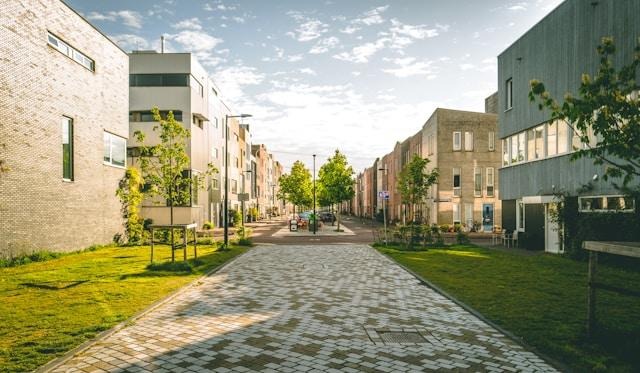
Photo by Stuart Frisby on Unsplash
Introduction
Modern construction projects are complex undertakings that require careful planning, coordination, and execution. With advancements in technology, materials, and design, the opportunities for new ideas are vast—but so are the risks. Mistakes in construction can lead to delays, cost overruns, safety hazards, and compromised quality. Understanding the most common pitfalls is essential for project managers, architects, and contractors who aim to deliver successful outcomes. Below are five frequent mistakes that can derail modern construction projects and strategies to avoid them.
Inadequate Planning and Scheduling
One of the most serious mistakes in construction is inadequate planning. Projects often begin with ambitious timelines and budgets, but without detailed scheduling and risk assessment, these goals become unrealistic. Poor planning can lead to resource shortages missed deadlines, and expensive rework. Effective scheduling should account for potential delays, supply chain issues, and labor availability. Using advanced project management tools and methodologies helps ensure that every phase of construction is mapped out with precision.
Overlooking Quality Control
Quality control is necessary for the integrity of any construction project. When inspections and standards are neglected, the result can be structural weaknesses, safety hazards, and long-term maintenance issues. In some cases, contractors may cut corners to save time or reduce costs, but this often leads to greater expenses down the line. Establishing strict quality assurance protocols conducting regular inspections, and following industry standards are important steps to maintain excellence throughout the project lifecycle.
Poor Communication Among Stakeholders
Construction projects involve multiple stakeholders, including architects, engineers, contractors, suppliers, and clients. Miscommunication or lack of transparency between these parties can cause misunderstandings, delays, and disputes. For example, design changes that are not communicated may lead to costly errors during execution. Clear communication channels regular updates, and collaborative platforms are essential to keep all stakeholders aligned. Modern tools such as Futura project dashboards exemplify how technology can streamline communication and ensure that everyone remains informed and accountable.
Ignoring Safety Protocols
Safety is non-negotiable in construction, yet it remains one of the most overlooked aspects in many projects. Failure to enforce safety measures can lead to accidents, injuries, and even fatalities resulting in legal liabilities and reputational damage. Common mistakes include inadequate training, lack of protective equipment, and ignoring site-specific hazards. A proactive approach to safety involves regular training sessions strict adherence to regulations, and continuous monitoring of site conditions. Giving safety priority not protects workers but also enhances productivity and morale.
Underestimating Costs and Budgets
Budget mismanagement is a recurring issue in construction projects. When costs are underestimated or unexpected expenses aren’t accounted for financial strain and incomplete projects often result. Common causes include inaccurate initial estimates fluctuating material prices and unforeseen site conditions. To avoid this mistake, project managers should conduct thorough cost analyses, include contingency funds and review budgets against actual expenditures. Transparent financial reports ensure that stakeholders are aware of the project’s financial health at every stage.
Conclusion
Modern construction projects demand careful attention to detail, from planning and communication to safety and budgeting. The five mistakes outlined—poor planning weak quality control, miscommunication neglecting safety, and budget mismanagement—are among the most frequent pitfalls that can compromise success. By recognizing these challenges and putting proactive strategies into action, construction professionals can deliver projects that meet expectations in terms of quality, safety, and effectiveness. In the end, preventing these mistakes is not just about finishing a project—it’s about creating trust, sustainability, and long-term value in the construction industry.