
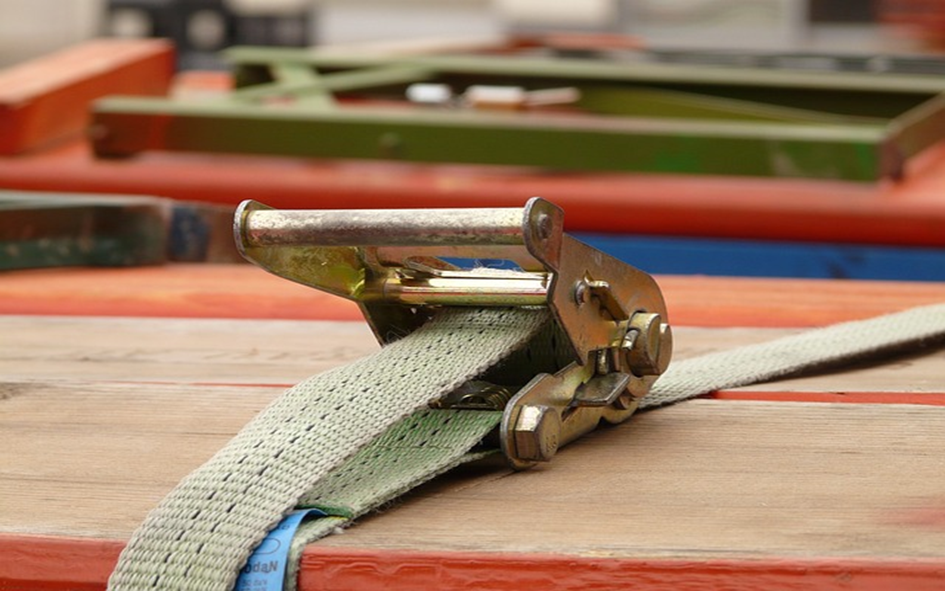
If you’re planning to use a trailer and ratchet straps for the first time, you’ll be delighted to learn that it’s not as difficult as you may think. A few secrets to a successful cargo move lie in using the right tools properly and planning your route.
Since ratchet tie down straps can be used to secure any cargo, you won’t need any additional ropes. If you’ve got your trailer, the right types of ratchet straps, and your cargo, you’re good to go. This post shares a few handy tips and pointers to get your first cargo move off without a hitch.
Safety and Correct Use Should Always Be a Priority
Ratchet tie-down straps, also sometimes known as tie-down straps, are worth their weight in gold to anyone who routinely moves cargo. Whether you’re planning to move your furniture, transport a secondary vehicle, or even move equipment, the golden rule is that if you’re moving something on a trailer or on the back of your ute, it’s always recommended that you tie it down with a few tie-downs. Here’s what you need to know about this process.
- Choose the Right Tie-Down for Your Cargo Capacity
One ratchet strap may look exactly like another, but it’s crucial to point out that every strap can’t secure every item you want to secure. Ratchet straps are available in varying weight capacities, lengths, and hook sizes. Here’s what you should consider:
- Weight capacity: This refers to the weight your strap will be able to hold. You will need to estimate the weight of your cargo to ensure that the tie downs you have are strong enough to safely hold the cargo. The wrong straps can potentially snap under the pressure of the cargo’s weight.
- Length: Straps are also available in varying lengths, making it easy to find straps for all types of cargo. Smaller, flat loads may only require a short strap, while larger trailers with taller loads will require a longer strap. The ratchet strap should always go over your cargo with no strain or excessive tension, as this will cause snapping.
- Hooks: There are various hook sizes available to suit the cargo and ratchet strap mechanism.
- Always Use the Correct Procedure to Secure Your Cargo
You can have the best quality straps combined with all the best intentions, but if you don’t secure the straps safely and correctly, the load will always be unsafe. This is not only an accident hazard but can also cause significant damage to your cargo.
The good news is that using your ratchet strap is quick and easy. Here’s what you need to know:
- Start by placing the loose end of the tie-down strap into the mandrel (metal part) of the ratchet.
- Securely pull the strap through the mandrel slot.
- Gently tug on the strap to remove the slack and make the tie-down tight.
- Crank the tie-down ratchet to the required tightening.
- Securely lock the mandrel handle down after tightening to safeguard and secure the strap.
To remove the tie-down strap, reverse these steps. This is crucial as it will ensure that the straps don’t tear, knot, or become damaged.
- Correct Storage is Crucial to Longevity
Whether or not you’re planning to use your straps more frequently, it’s essential to store them properly. This will ensure that they remain durable enough to be used again in the future. Safe storage can be summed up in three key pointers:
- Keep straps safe from exposure to water and moisture, which could cause mould and bacteria to set in the fibres. Straps should be cleaned, dried, and expected before being stored.
- Always store ratchet straps in a cool, dark, and dry place. Any straps exposed to harmful UV rays will weaken the material. Experts recommend storing these straps in a cupboard, drawer, or shelf.
- Avoid excessive heat and friction, as this can weaken the strap fabric. This usually happens when the toe-downs rub against each other or the side of the trailer during transport.
- Always Use the Correct Quantity
Your intention may be to use what you have when it comes to securing your cargo. It’s crucial to point out that the industry standard in transportation is that all ratchet straps must be used in pairs.
The primary reason for this is that your cargo remains secured if one of the straps snaps during transit. If the load is bigger or heavier than a standard load, it’s a good idea to use two sets of two. Speak to your local ratchet strap supplier for guidance on buying the right length, capacity, and quantity for your cargo requirements.
Final Thoughts
It’s essential to use your ratchet straps safely and correctly. Use our tips and guidelines to help you with this. Focusing on factors such as inspection before use, using the correct quantity, and storing properly after use gives you the assurance that your cargo will be as safe as possible!