
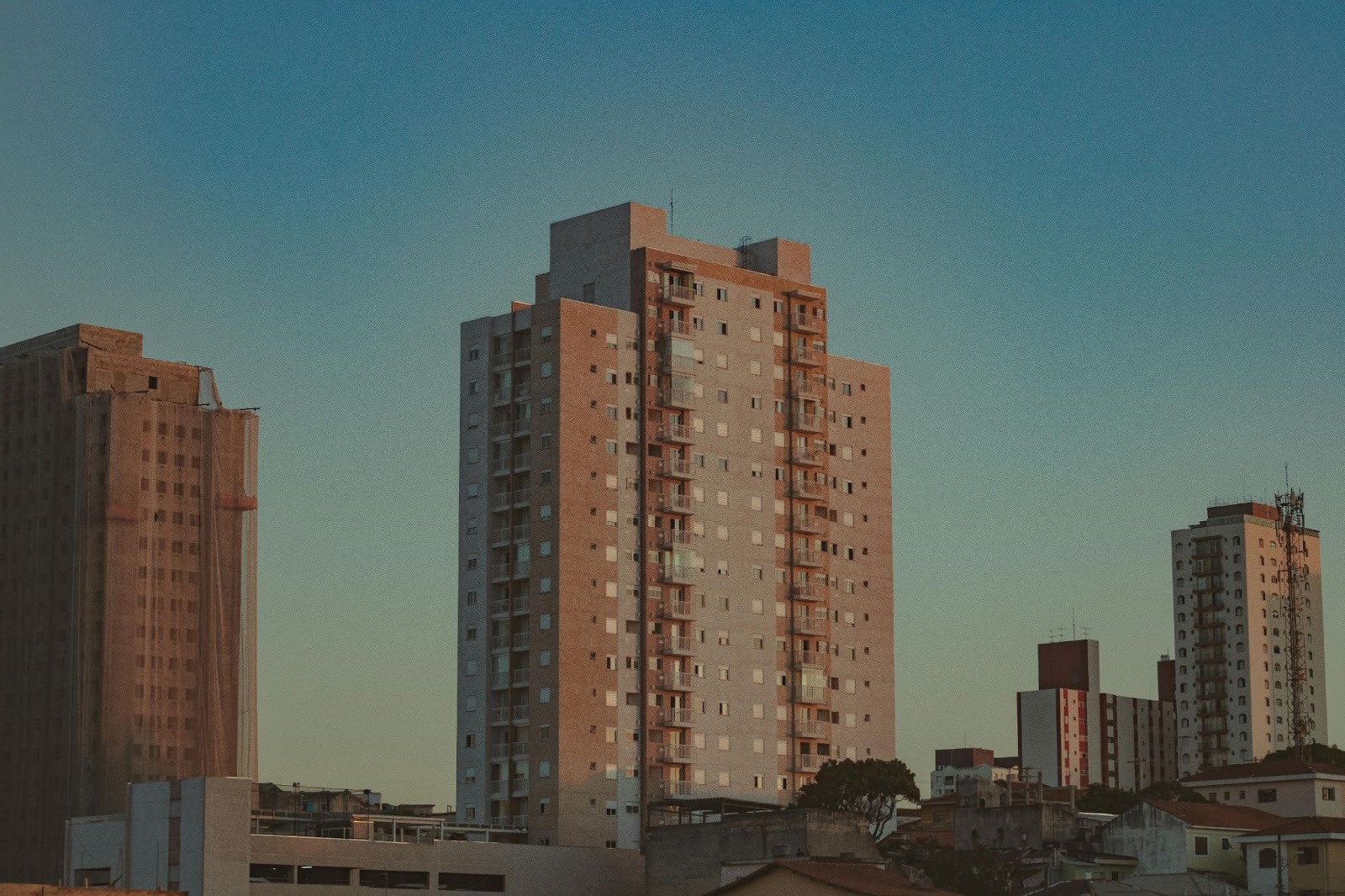
The concept of a “home office” has undergone a radical evolution. There is no laptop perched on a kitchen island or a desk tucked into a guest bedroom anymore. Today’s high-achieving professionals—from the digital nomads in Singapore to the corporate leaders in Manila—are choosing a lifestyle that prioritizes mental clarity, aesthetic joy, and financial stability.
Enter the Vertical Home Office (VHO), a dedicated, master-planned professional environment integrated into a luxury high-rise development. But beyond floor-to-ceiling windows and infinity pools lies a serious advantage. In 2026, integrating your workspace into your home is one of the most effective ways to align your lifestyle with evolving global tax frameworks.
Here are five reasons why the vertical home office is the ultimate lifestyle and strategic play this year.
1. The Design of Deep Work and Personal Autonomy
The greatest luxury in 2026 is the ability to control your environment. Traditional office buildings, while professional, often subject workers to the distractions of a shared ecosystem. VHO allows for the curation of a focus zone, a space designed specifically for deep work.
When you step into a luxury condominium, you also step into a space where architectural precision meets human-centric design. These developments are increasingly incorporating flex-spaces that provide the acoustic privacy and natural light necessary for high-level decision-making.
From a lifestyle perspective, this autonomy reduces the micro-stresses of a corporate office. From a strategic perspective, it creates a boundary between personal and professional life.
In many jurisdictions, having a clearly demarcated area of your residential property used exclusively for business is a legal requirement for claiming home-office-related tax benefits. By choosing a unit that physically supports this separation, you are not just improving your focus; you are adhering to the law.
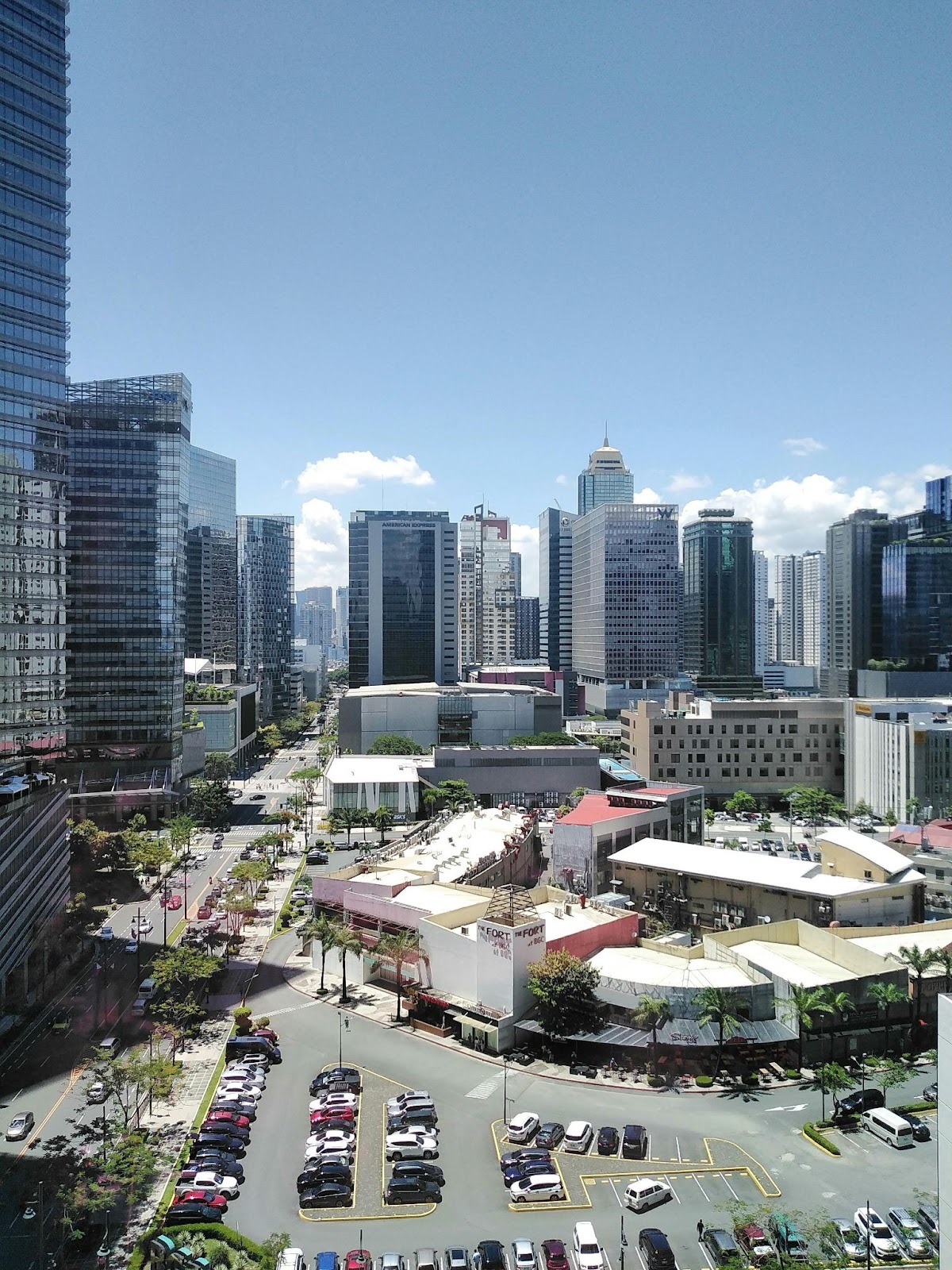
Taguig, Philippines. Photo by Jeson Cabilic
2. Reclaiming Time: The 15-Minute City Becomes the 0-Minute Commute
The 15-minute city is a popular urban planning concept in which all essentials are within a short walk. The VHO takes this a step further. By eliminating the daily commute, you are reclaiming an untaxed resource: time.
Data from 2025 mobility reports suggests that professionals in major hubs still lose hundreds of hours annually to transit. By removing this friction, you effectively increase your productivity, not your stress levels. This time dividend allows for a lifestyle that includes a morning gym session, a balanced breakfast, and a focused workday.
Strategically, this shift aligns with the trend of digital nomad visas and local tax incentives designed to encourage remote work. Governments are recognizing that home-based productivity reduces the strain on public infrastructure and are formalizing tax codes to support this.
3. Professionalism Without the Commercial Overhead
One of the most significant lifestyle perks of modern vertical living is the shared amenity model. High-end developments act as a skyscraper social club—residents have access to high-spec business centers, soundproofed pods, and elegant conference rooms that mirror the prestige of a private equity firm.
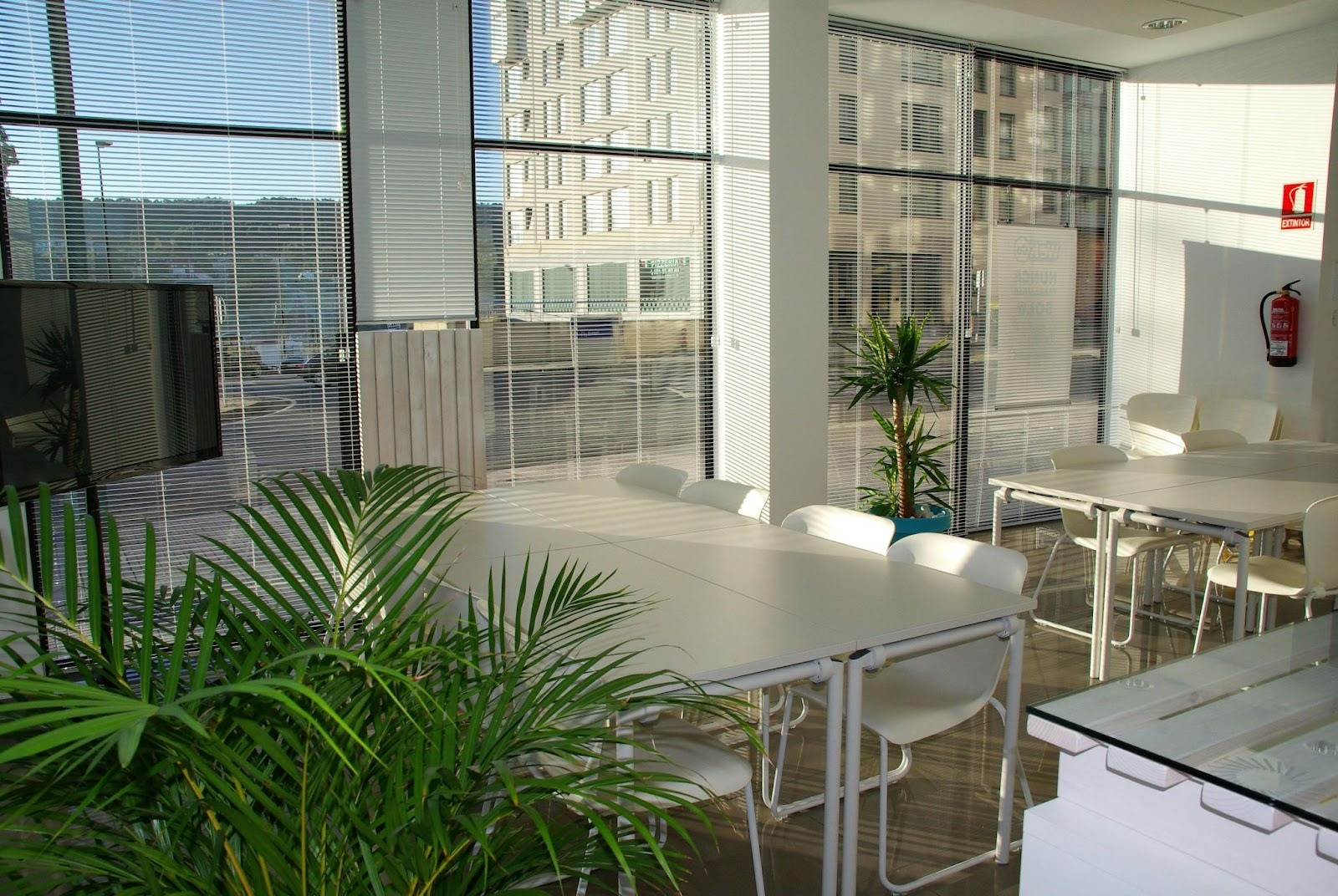
Photo by Pixabay
For the independent business owner, this means you can host a client in a sophisticated lounge or a private boardroom without the financial and administrative burden of a commercial lease.
- The Strategic Edge: Traditional commercial leases may be subject to high occupancy taxes, VAT on commercial utilities, and mandatory business levies.
- The Lifestyle Win: You get the corporate face for your business, but because these services are integrated into your residential ecosystem, you benefit from the more favorable residential tax rates and utility tiers. It’s a way to maintain a professional corporate suite while living in a sanctuary.
4. Formal Tax Optimization and Jurisdictional Clarity
In 2026, tax authorities worldwide—including the BIR in the Philippines and the IRS in the US—have tightened their focus on the gig and remote economy. While casual write-offs for high-end furniture are increasingly scrutinized, the formal deduction of ordinary and necessary business expenses remains a pillar of smart fiscal management.
When your business is based in your vertical home office, the law typically allows for prorated deductions for essential operating costs. This is a rigorous, formula-based process that involves the following:
- The Square Footage Rule: Deducting a percentage of property taxes, mortgage interest (where applicable), and insurance based on the office’s footprint.
- Utility Proration: Allocating a fair share of electricity, water, and connectivity costs to the business entity.
By investing in high-quality development, you enter a building that is fiber-ready and features high-efficiency systems. This modern infrastructure makes it easier to document and justify these expenses to tax auditors, ensuring your lifestyle choice is supported by solid, legally compliant data.
5. Wealth Building Through Dual-Purpose Asset Growth
Ultimately, the vertical home office represents the conversion of a sunk cost (office rent) into equity (property ownership). In 2026, prime residential real estate in transit-oriented developments remains a resilient asset class.
Developers like Federal Land create master-planned communities that are designed for long-term appreciation. When you own your workspace, you are building your own empire rather than your landlord’s.
- Long-Term Strategy: In many countries, the capital gains treatment on a primary residence is significantly more favorable than on commercial real estate.
- The Lifestyle Legacy: You are investing in a home that will appreciate over time, providing both a high-quality lifestyle today and a valuable asset for the future.
Comparing Traditional Office vs. 2026 Vertical Home Office
| Metric | Traditional Commercial Lease | Vertical Home Office (VHO) |
| Environmental Control | Shared/Corporate Standard | Highly Personalized/Focus-Driven |
| Asset Type | Recurring Expense | Potential Appreciating Asset |
| Tax Framework | Commercial Income/Lease Tax | Residential/Business Proration |
| Wellness Integration | Limited (Gym/Café access) | High (Pool/Zen Garden/Private Kitchen) |
| Commute Friction | High (1-2 Hours Daily) | Zero (Instant Transition) |
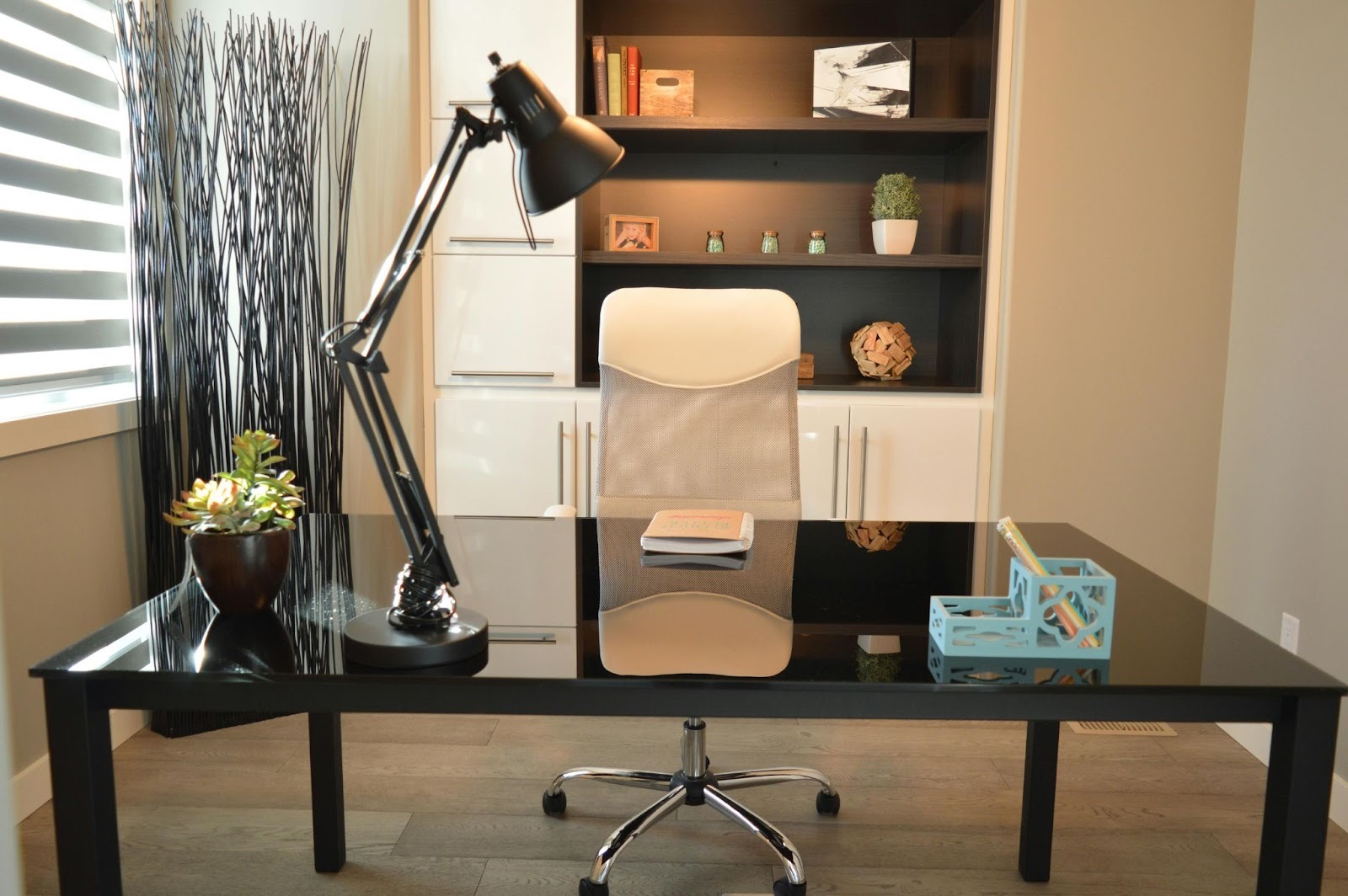
Photo by Pixabay
A More Refined Way to Prosper
The vertical home office is the definitive professional lifestyle of 2026. It is a choice to live with more intention—to trade the chaos of the city for the serenity of the skyline. It’s about understanding that a home can be a powerful professional engine when designed with precision.
By choosing to invest in a space that supports your well-being and professional growth, you are making a move that is both fiscally responsible and aesthetically rewarding. In a world that is constantly changing, the smartest way to build your future is to do it from a place of peace, high above the clouds.
AUTHOR PHOTO AND BIO

Martin is an experienced marketer with over 16 years of experience across various industries, including real estate, banking and finance, technology, and advertising. Having held marketing positions at companies such as Ayala Land, BDO Unibank, Federal Land, 917 Ventures, and McCann Erickson, Martin has a broad range of expertise in handling campaigns, brand launches, and activations both in the traditional and digital space. Currently serving as the Digital Marketing Head at Federal Land, Martin leads a team focused on managing digital sales and platforms for the residential, estates and commercial business units.