
Key Takeaways
- Proper material storage minimizes workplace hazards and enhances operational efficiency.
- Implementing ergonomic storage solutions reduces physical strain on employees.
- Regular maintenance and training are essential for sustaining safe storage practices.
Effective material storage is essential for both organizational clarity and operational safety. When companies invest in reliable storage systems, such as industrial racks, the results go beyond tidy warehouses. They help prevent workplace accidents, streamline access to materials, and improve workflow across the entire operation. Safe storage systems clearly distinguish hazardous areas from walkways, and they ensure that materials are consistently easy to find and use. This reduces downtime and supports a smooth, productive environment. In industries where efficiency and safety are intertwined, storage systems enable companies to protect their teams while boosting profitability.
Understanding the Link Between Storage and Safety
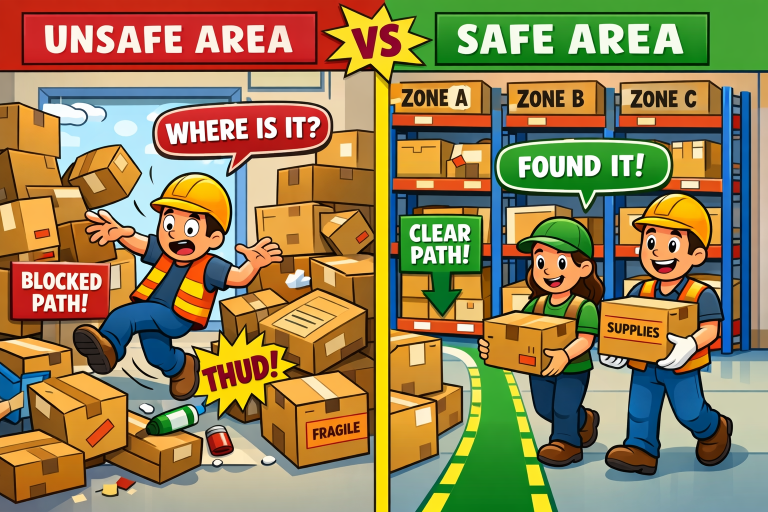
Disorganized or cluttered storage areas are among the most frequent culprits in workplace accidents. Items that are improperly stacked or left in walkways can cause trips, slips, and falls. The International Labour Organization notes that well-organized storage, clearly marked stack heights, and clear access paths significantly reduce such hazards. Unsecured materials can fall from shelves, risking injury to anyone in the vicinity, while blocked aisles make emergency exits more difficult to navigate. Reducing the risk of injury means evaluating how materials are stored and accessed. Standardizing shelving units and clearly marking storage zones ensures each item has a specific place and prevents overloading. Additionally, using specialized storage systems tailored to weight and size creates an environment where safety protocols can be rigorously enforced.
Implementing Ergonomic Storage Solutions
Ergonomically designed storage solutions significantly reduce worker fatigue and injuries. Height-adjustable shelving, bins with easy-to-read labels, and modular layouts all contribute to a safer, more efficient workplace. These systems are specifically engineered to minimize awkward lifting or overreaching, helping prevent musculoskeletal disorders common in environments where manual handling is routine. Adjustable racking allows heavier or high-traffic materials to be stored at waist height, decreasing the physical effort needed to retrieve them. Color-coding and digital labeling further shorten the time spent searching for items, thus maximizing productivity.
Regular Maintenance and Inspection
Consistent oversight of storage equipment is crucial in keeping the workplace hazard-free. Routine maintenance ensures that shelving, racks, and other storage modules stay in optimal condition, reducing the chance of equipment failure. Regular checks help detect minor damage or wear that could escalate if ignored. Issues such as weakened shelves, loose bolts, or rust should be addressed immediately to prevent structural collapse or other accidents. Companies should maintain schedules for both visual and technical inspections. Creating checklists for staff and designating responsibility for maintenance tasks ensures accountability. These proactive measures catch potential hazards before accidents happen, forming the backbone of an effective safety culture.
Training Employees on Safe Storage Practices
Employee training is a critical component of any material storage system. Workers need to thoroughly understand not only how to use equipment but also why proper storage methods matter. Training should include correct lifting techniques, stacking procedures, and emphasizing the importance of keeping all aisles and emergency exits clear. Reinforcement through regular briefings or visual guides can solidify these lessons, minimizing human error. Creating a culture where staff members look out for each other and speak up when they notice unsafe practices or arrangements magnifies the positive impact of training. Peer accountability ensures high standards are maintained even as warehouse teams change or expand.
Utilizing Technology for Safer Storage
Advancements in material handling technology have paved the way for safer work environments. Automated storage and retrieval systems (AS/RS), for example, eliminate much of the manual lifting that can lead to injuries. These systems move products to workers with precision, isolating people from heavy machinery and hazardous areas. Similarly, inventory management software can alert staff when storage zones are being overloaded or when hazardous materials are stored inappropriately. By leveraging sensor technology or automated guided vehicles (AGVs), the risk of workplace accidents can be dramatically reduced. Additionally, technology makes it easier to audit storage systems, ensure compliance, and adapt to new safety regulations without disrupting daily operations. Forbes highlights that investments in automation can deliver a rapid return in both safety and productivity for facilities large and small.
Case Study: Improved Efficiency Through Safe Storage
Consider a manufacturing facility that recently shifted to a comprehensive new storage strategy. By upgrading to ergonomic shelving, instituting a maintenance schedule, and reinforcing staff training, the company realized dramatic changes within a year. The frequency of workplace injuries dropped by 30 percent, while material retrieval times were cut substantially, leading to a 20 percent boost in operational efficiency. The improved setup allowed for clearer communication, fewer disruptions, and measurable gains in both safety and productivity.
Conclusion
Commitment to safe material storage is far more than an administrative requirement. It is a foundation for workplace well-being and sustainable operational excellence. By consistently organizing storage zones, maintaining and inspecting equipment, training employees, and investing in technology, businesses safeguard their teams while gaining a competitive edge in efficiency.