
Commercial HVAC systems play a critical role in maintaining safe and comfortable indoor environments. Beyond temperature control, these systems influence air quality, humidity levels, and overall building performance. In commercial settings such as offices, hospitals, retail stores, and industrial facilities, a properly functioning HVAC system is essential for protecting both occupants and property.
When HVAC systems are well-maintained and properly designed, they contribute to a healthier and safer environment for everyone inside the building. From reducing airborne contaminants to supporting emergency ventilation, these systems serve as a key component of building safety. In this article, we will explore how proper commercial HVAC systems help support safety across a variety of environments.
Improving Indoor Air Quality
One of the most important ways commercial HVAC systems support building safety is by improving indoor air quality. These systems are designed to circulate and filter air, removing dust, allergens, and other airborne particles that can impact health. Clean air is especially important in spaces with high occupancy, where contaminants can accumulate quickly.
Proper filtration and ventilation help reduce the spread of airborne illnesses and create a more comfortable environment for employees and visitors. Regularly replacing filters and maintaining system components allows the HVAC system to perform effectively. Without proper care, air quality can decline, leading to discomfort and potential health concerns for building occupants.
Regulating Temperature and Preventing Hazards
Maintaining consistent indoor temperatures is another key safety function of commercial HVAC systems. Extreme heat or cold can create unsafe conditions, especially in workplaces that rely on temperature-sensitive equipment or materials. A well-functioning HVAC system helps prevent overheating and supports a stable indoor climate.
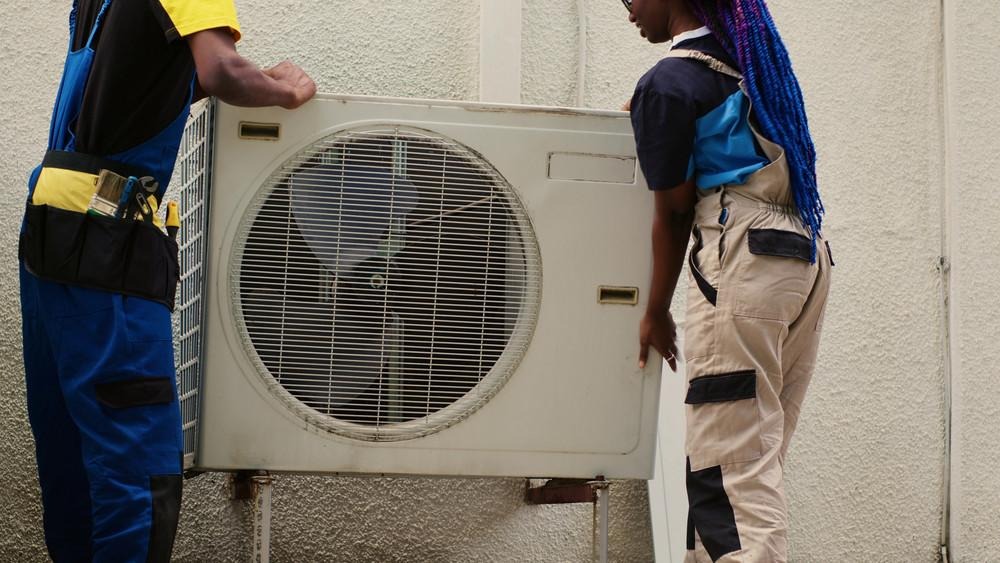
Routine maintenance is essential for keeping these systems operating safely. Just like any other machine or appliance, AC units require routine maintenance to keep them functioning at their best. It is recommended to have your AC serviced at least once a year by a professional. Regular servicing helps identify potential issues before they lead to system failures, which can compromise safety.
By keeping temperatures within a safe range, HVAC systems help protect both people and equipment from damage caused by environmental extremes.
Supporting Ventilation and Airflow
Proper ventilation is a critical component of building safety, and commercial HVAC systems are responsible for maintaining consistent airflow throughout a space. Good ventilation helps remove stale air and replace it with fresh, filtered air from outside. This process reduces the buildup of harmful gases, odors, and indoor pollutants.
In certain environments, such as kitchens or manufacturing facilities, ventilation plays an even more significant role. It helps remove smoke, fumes, and excess heat that could otherwise create hazardous conditions. A well-designed HVAC system supports these needs by balancing airflow and maintaining proper air exchange rates.
Effective ventilation also contributes to overall comfort, which can improve productivity and reduce fatigue among occupants. When airflow is properly managed, buildings become safer and more efficient spaces.
Supporting System Reliability and Industry Growth
The importance of commercial HVAC systems is reflected in the continued growth of the industry. According to GII, in 2024, the North American commercial HVAC equipment market was estimated at $10.86 billion, and is expected to reach $13.92 billion by 2029, at a CAGR of 5.10%. This growth highlights the increasing demand for reliable systems that support building safety and performance.
Additionally, according to This Old House, demand for commercial HVAC grows about 7% per year. This steady rise underscores how critical these systems are for modern infrastructure. Businesses are investing in advanced HVAC solutions to meet safety standards, improve efficiency, and create healthier indoor environments.
As technology continues to evolve, newer systems offer improved monitoring, automation, and energy efficiency. These advancements make it easier to maintain safe conditions while reducing operational costs.
Proper commercial HVAC systems are essential for maintaining building safety in a wide range of environments. From improving air quality to regulating temperature and supporting ventilation, these systems play a vital role in protecting occupants and maintaining efficient operations.
Routine maintenance, thoughtful system design, and ongoing monitoring all contribute to the effectiveness of HVAC systems. As demand for these systems continues to grow, businesses have more opportunities to invest in solutions that prioritize safety and performance. By taking a proactive approach, building owners and managers can create safer, more comfortable spaces for everyone who enters.