
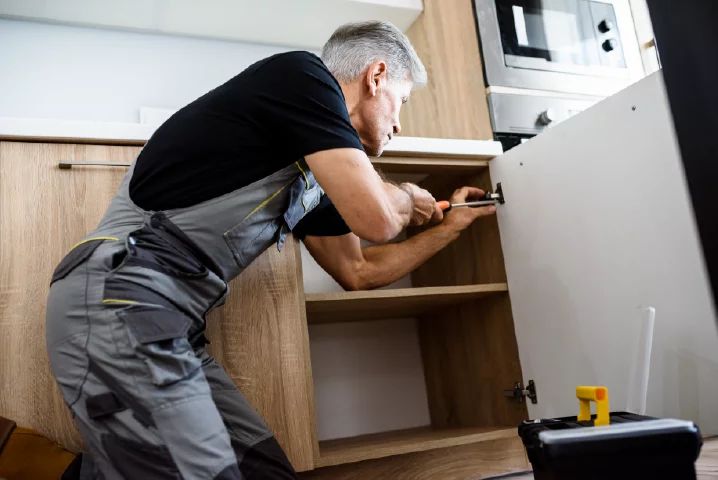
Have you been dreaming about a kitchen that perfectly fits your lifestyle? Perhaps you’re tired of wardrobes that waste precious space, or maybe you’ve finally decided those generic flat-pack cabinets just won’t cut it anymore? Whatever brought you here, you’re probably wondering what it’s actually like to work with a professional cabinet maker.
Custom cabinetry might be right for you if you value quality craftsmanship, need specific storage solutions, or want furniture that fits your space like a glove. Unlike mass-produced options, bespoke cabinets are designed around your exact requirements. They’re built to last, often becoming treasured features of your home for decades.
When working with a professional cabinet maker, you can expect a collaborative journey from initial concept to final installation. This guide walks you through every stage of the process, so you’ll know exactly what to anticipate. We’ll cover everything from finding the right tradesperson to that satisfying moment when your finished cabinets are revealed. Let’s get stuck into it.
Understanding What a Cabinet Maker Does
Before diving into the process, it’s worth clarifying what cabinet makers actually do. Many people confuse them with carpenters, but there’s a distinct difference.
Cabinet Maker vs Carpenter: What’s the Difference?
Carpenters typically work on structural elements—think framing, roofing, and general construction. Cabinet makers, on the other hand, specialise in creating fine furniture and fitted cabinetry. They work with precision, focusing on detailed joinery and high-quality finishes. Their workshop is where the magic happens, crafting pieces that combine functionality with beauty.
Types of Projects Cabinet Makers Handle
Cabinet makers tackle a wide range of projects. Kitchen cabinetry is probably the most common, but they also create custom wardrobes, bathroom vanities, home office fitouts, entertainment units, and bespoke storage solutions. Essentially, if it involves custom woodwork and cabinetry, they’re your go-to professionals.
Defining Your Cabinetry Needs
Before reaching out to cabinet makers, spend some time thinking about what you actually need. This preparation saves time and helps you communicate your vision clearly.
Assessing Your Space and Requirements
Start by measuring your space and noting any awkward angles, existing fixtures, or architectural features. Consider how you currently use the area and what frustrates you. Do you need more drawer space? Better organisation? Easier access to everyday items? Jot down these thoughts—they’ll prove invaluable during consultations.
Kitchen Cabinets, Wardrobes, or Custom Storage?
Different projects require different approaches. Kitchen cabinets demand careful consideration of workflow, appliance placement, and storage for everything from spices to pots. Wardrobes need thoughtful internal configurations for your clothing, shoes, and accessories. Custom storage might solve specific problems—perhaps a mudroom bench with hidden compartments or a home library with built-in shelving.
Setting a Realistic Budget
Be honest about what you can afford. Quality custom cabinetry is an investment, but there’s usually flexibility in materials and finishes to accommodate different budgets. Having a clear figure in mind helps cabinet makers suggest appropriate options without wasting anyone’s time.
Finding the Right Cabinet Maker
This step is crucial—the right cabinet maker makes the entire experience enjoyable, while the wrong choice can lead to headaches.
How Do I Find a Good Cabinet Maker Near Me?
Word of mouth remains powerful. Ask friends, family, or neighbours who’ve had custom work done. Online directories, local trade associations, and platforms like Houzz or hipages can also point you toward reputable professionals. Don’t overlook social media—many cabinet makers showcase their work on Instagram and Facebook.
Questions to Ask Before Hiring
Prepare a list of questions: How long have you been in business? Can I see examples of similar projects? What’s your typical timeline? Do you handle installation? Who will be my main point of contact? Their answers—and how they communicate—tell you a lot about their professionalism.
Checking Qualifications and Insurance
In Australia, cabinet makers should hold relevant trade qualifications. Ask about their licensing and, importantly, their insurance coverage. Public liability insurance protects you if something goes wrong during installation. Never skip this check.
Reading Reviews and Viewing Past Work
Online reviews offer genuine insights into others’ experiences. Look for consistent themes—both positive and negative. If possible, ask to see completed projects in person or request a detailed portfolio. Quality speaks for itself.
Design and Planning Phase
This collaborative stage transforms your ideas into concrete plans.
Collaborating on Custom Designs
Your cabinet maker will create detailed designs based on your discussions. Expect multiple revisions—this is normal and ensures the final product meets your expectations. Don’t be shy about requesting changes; good cabinet makers welcome feedback.
Choosing Materials and Hardware
You’ll select from various materials: solid timber, plywood, MDF, laminates, and more. Each has advantages regarding durability, appearance, and cost. Hardware choices—hinges, drawer runners, handles—also affect both aesthetics and functionality. Your cabinet maker can guide these decisions.
Understanding Technical Drawings
Before manufacturing begins, you’ll approve technical drawings showing exact dimensions and specifications. Take time to review these carefully. Ask questions about anything unclear. Changes after production starts can be costly.
Is It Worth Getting Custom Cabinets Made?
Absolutely—for most people. Custom cabinets maximise your available space, match your exact requirements, and typically outlast cheaper alternatives. The initial investment often pays off through durability and daily satisfaction.
Delivery and Installation
The moment you’ve been waiting for approaches.
Preparing Your Home
Before installation day, clear the work area completely. Remove existing cabinetry if required, and ensure pathways are accessible for carrying large components. Discuss preparation requirements with your cabinet maker beforehand.
What to Expect on Installation Day
Professional installers work methodically, fitting each component precisely. Expect some noise and minor disruption. They’ll protect your floors and clean up afterwards. Be available to answer questions or make minor decisions if needed.
How Long Does Installation Take?
Kitchen installations typically take 1-3 days. Simpler projects, like a single wardrobe, might be completed within hours. Your cabinet maker will provide a realistic timeframe.
Final Inspection and Handover
You’re almost there—just a few final steps.
Checking the Finished Work
Walk through the completed installation with your cabinet maker. Open every door and drawer. Check alignments, finishes, and hardware operation. Note any concerns immediately.
Addressing Adjustments
Minor adjustments are common and easily resolved. Doors might need slight tweaking, or a drawer runner might require adjustment. Professional cabinet makers address these promptly without fuss.
Aftercare and Warranty
Ask about maintenance requirements and warranty coverage. Most quality cabinet makers offer warranties ranging from 1 to 10 years. Keep documentation safe for future reference.
Getting Started with Your Custom Cabinetry Project
Working with a cabinet maker is genuinely rewarding when you understand the process. From that first consultation through to the final handover, each step builds toward creating something uniquely yours—cabinetry that fits your space perfectly and serves your needs beautifully.
The key takeaways? Do your homework when selecting a cabinet maker, communicate openly throughout the process, and don’t rush decisions during the design phase. Quality custom cabinetry takes time, but the results speak for themselves.
Ready to transform your space? Start by researching local cabinet makers, gathering inspiration, and defining your requirements. Your dream cabinetry is closer than you think—and the journey to get there can be just as satisfying as the destination. Good luck with your project!