
Have you noticed how much the fitness world has changed lately? Are you curious about what’s actually working for people building strength in 2024? Perhaps you’re wondering whether your current routine is keeping pace with the latest developments?
Strength training isn’t what it used to be. Gone are the days when lifting weights meant simply hoisting barbells in a dingy gym corner. Today’s approach combines cutting-edge technology, scientific research, and personalised programming to deliver better results than ever before. Whether you’re a complete beginner or a seasoned lifter, understanding these shifts can transform your training journey.
In this guide, we’ll explore the biggest trends shaping strength training right now. You’ll discover new training methods gaining momentum, learn how often you should actually train, and find out whether your home setup or local gym offers the best path forward. We’ll also tackle important questions about building muscle after 40 and what equipment you truly need to get started. Let’s get stuck into it.
What Are the Biggest Strength Training Trends Right Now?
Functional Fitness Takes Centre Stage
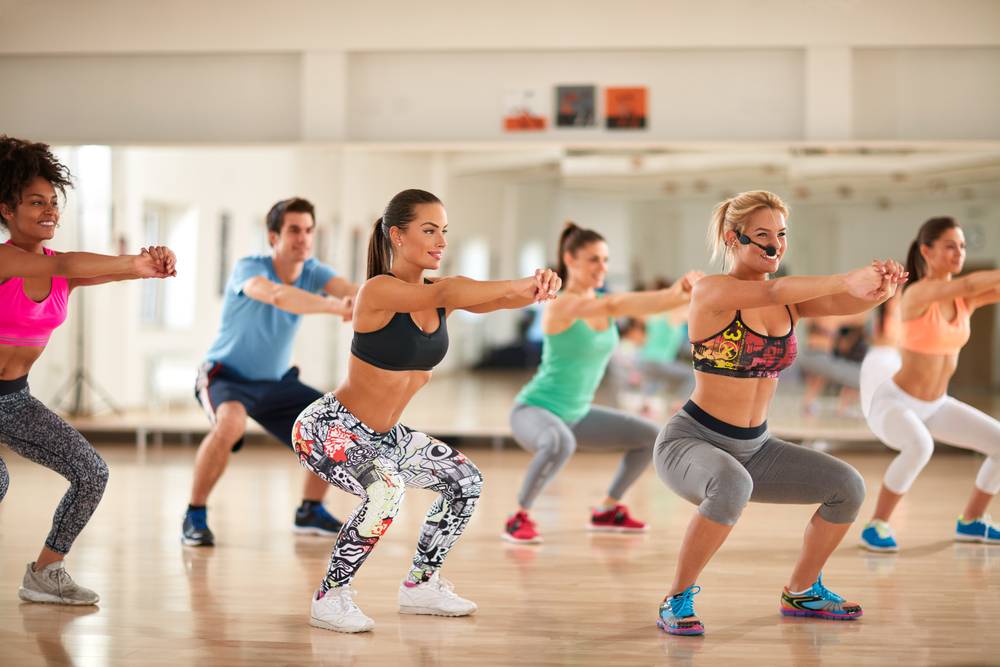
Functional fitness has moved from niche interest to mainstream obsession. This approach focuses on movements that mirror everyday activities—think squatting to pick up groceries or pushing heavy objects. Rather than isolating individual muscles, functional training builds strength that actually translates to real life.
Australian gyms are increasingly offering classes centred on functional movements. These sessions combine squats, deadlifts, carries, and rotational exercises that improve how your body moves as a complete unit. The appeal is obvious: why train muscles in isolation when you can build practical strength?
The Rise of Hybrid Training Programs
Hybrid training blends multiple fitness disciplines into one cohesive program. Think strength training combined with endurance work, mobility sessions, and perhaps some martial arts or yoga elements. This trend reflects a broader shift away from single-focus training.
Many Aussies are ditching the “either/or” mentality. Instead of choosing between being strong and having good cardio, hybrid programs let you have both. CrossFit paved the way, but newer programs offer more balanced approaches without the extreme intensity.
Technology-Driven Workouts and Smart Equipment
Smart equipment has revolutionised home and commercial training alike. From AI-powered mirrors that correct your form to apps tracking every rep, technology is making training more precise and personalised than ever before.
Wearable devices now monitor recovery, sleep quality, and training readiness. This data helps exercisers train smarter, not just harder. In Australian gyms, you’ll increasingly find connected equipment that remembers your settings and tracks progress automatically.
Is Strength Training Better Than Cardio for Weight Loss?
Understanding Metabolic Benefits
This question sparks endless debate, but the evidence is becoming clearer. Strength training offers unique metabolic advantages that cardio alone cannot match. Building muscle tissue increases your resting metabolic rate, meaning you burn more calories even while sitting on the couch.
Research shows that resistance training creates an “afterburn effect” lasting up to 72 hours post-workout. Your body continues burning extra calories as it repairs muscle tissue. Cardio certainly burns calories during exercise, but the effects diminish quickly once you stop.
How to Combine Both for Optimal Results
The smartest approach combines both training styles strategically. Strength training builds the metabolic engine, while cardio improves heart health and creates additional calorie deficit when needed.
For most people, prioritising strength training three to four times weekly while adding moderate cardio sessions produces excellent results. High-intensity interval training offers a time-efficient compromise, delivering both strength and cardiovascular benefits in shorter sessions.
Can You Build Muscle After 40 with Strength Training?
Age-Appropriate Training Modifications
Absolutely—building muscle after 40 is entirely achievable. However, smart modifications make the process safer and more sustainable. Longer warm-ups, more attention to mobility work, and strategic exercise selection become increasingly important.
Recovery takes longer as we age, so training frequency may need adjustment. Quality trumps quantity. Focusing on compound movements with proper form delivers better results than chasing heavy weights with compromised technique.
Recovery and Nutrition Considerations
Protein requirements actually increase with age—aim for around 1.6 to 2 grams per kilogram of bodyweight daily. Sleep quality becomes even more crucial for recovery and hormone optimisation.
Prioritise sleep hygiene, manage stress levels, and consider incorporating active recovery sessions. These factors matter more after 40 than when you were younger. The good news? Consistent effort still produces remarkable results at any age.
Best Strength Training Equipment for Beginners

Essential Free Weights
A quality pair of adjustable dumbbells covers most beginner needs. They’re versatile, relatively affordable, and suitable for dozens of exercises. Add a simple flat bench, and you’ve got a capable home setup.
Kettlebells offer another excellent option, particularly for functional movements. Starting with one or two weights allows learning proper technique before expanding your collection.
Resistance Bands and Versatile Tools
Resistance bands provide surprising training stimulus in a portable package. They’re perfect for travel, rehabilitation, or adding variety to existing routines. Loop bands work brilliantly for lower body exercises, while handled bands suit upper body movements.
A suspension trainer like TRX creates bodyweight training possibilities that challenge even advanced lifters. These versatile tools deserve consideration for anyone building a home training space.
What Should a Strength Training Program Include?
Compound vs Isolation Exercises
Effective programs prioritise compound movements—exercises working multiple joints and muscle groups simultaneously. Squats, deadlifts, presses, rows, and pull-ups should form your foundation.
Isolation exercises have their place, particularly for addressing weaknesses or adding muscle to specific areas. However, they shouldn’t dominate your programming. Build your routine around compound lifts, then add isolation work as needed.
Progressive Overload Principles
Progressive overload remains the fundamental principle of strength development. Your body adapts to challenges, so you must consistently increase demands to continue progressing.
This doesn’t always mean adding weight. Increasing repetitions, sets, training frequency, or exercise complexity all create overload. Track your workouts to ensure you’re actually progressing, not just going through the motions.
Embracing the Future of Strength Training
Strength training continues evolving, offering more options and better results than ever before. From functional fitness and hybrid programs to technology-driven approaches, today’s exercisers have unprecedented tools at their disposal.
The trends we’ve explored share common threads: smarter training, better recovery, and personalised approaches. Whether you’re training at home or in a boutique studio, building muscle after 40 or just starting out, these principles apply universally. The science keeps improving, but the fundamentals remain constant—consistent effort, progressive challenge, and adequate recovery.
Your strength training journey is exactly that—yours. Take what resonates from these trends and leave what doesn’t. Experiment with new methods, stay curious about emerging research, and most importantly, keep showing up. The best program is always the one you’ll actually do consistently. Here’s to getting stronger, healthier, and more capable—whatever that looks like for you.