
Workplace health and safety compliance is not optional. A skilled WHS consultant can protect your people, your reputation, and your bottom line.
Let me be upfront about something: most business owners know workplace safety matters, but very few treat it like it really does. It gets shuffled to the bottom of the to-do list, buried under payroll, client deadlines, and staff rosters. And honestly, that is understandable. Running a business is relentless. But the numbers tell a sobering story. Safe Work Australia’s latest Key WHS Statistics report found that 188 workers lost their lives to traumatic injuries in a single year, and there were 146,700 serious workers’ compensation claims in 2023 to 2024 alone. That is more than 400 serious claims every single day across Australia. That is where a WHS consultant comes in. Whether you run a construction firm, a warehouse, a retail chain, or a corporate office, bringing in the right expert could be one of the most important decisions you make for your business.
What Does a WHS Consultant Actually Do?
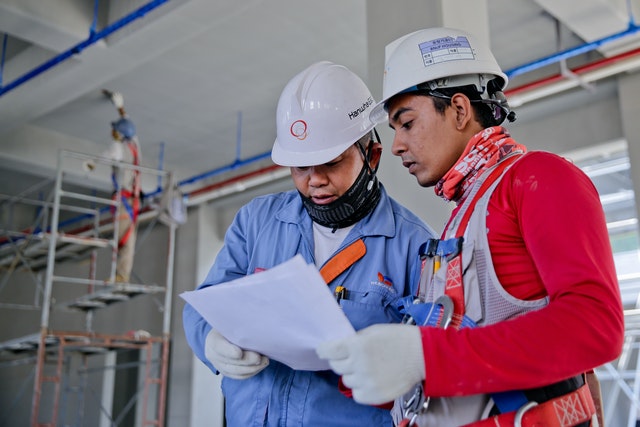
Think of a WHS consultant as an experienced outside set of eyes on your business. They are not there to judge or write you up. They are there to spot the things you have stopped seeing because you work in the environment every day. They evaluate, design, and implement workplace health and safety systems that are actually tailored to how your business operates, not just copied from a generic template.
In practice, their work typically includes:
- Conducting workplace risk assessments and hazard identification audits
- Developing and reviewing WHS policies, procedures, and management systems
- Delivering staff training programs on safe work practices
- Ensuring compliance with the Work Health and Safety Act and relevant regulations
- Investigating workplace incidents and near misses to prevent recurrence
- Supporting businesses through regulatory inspections and audits
The Real Cost of Ignoring Workplace Safety
Here is something I hear a lot: “That kind of thing won’t happen in our workplace.” And I get it. No one starts their day expecting someone to get hurt. But the data does not care about our optimism. Vehicle incidents are currently the leading cause of workplace fatalities in Australia, accounting for 42 percent of deaths, followed by falls from height. And it is not just physical injuries making headlines anymore. Mental health claims now account for 12 percent of all serious workers’ compensation claims, a figure that has risen nearly 15 percent in just one year. The median time lost from those mental health claims is almost five times longer than for other injuries.
Beyond the financial hit, a serious workplace incident can destroy team morale, trigger regulatory investigations, and do lasting damage to your reputation. In industries like construction, manufacturing, transport, and healthcare, where physical risks come with the territory, the stakes are even higher. Getting proactive help is not pessimism. It is just good sense.
Five Real Benefits of Bringing in a WHS Consultant
1. A Fresh Pair of Eyes on Your Workplace
When you work somewhere every day, you stop noticing things. The frayed cable has been there for months. The storage shelf is a little too high. The process that everyone just does a certain way because that is how it has always been done. A consultant walks in without any of that familiarity and sees your workplace with completely fresh eyes. That alone is worth a great deal.
2. Someone Who Actually Keeps Up With the Law
WHS laws and codes of practice are updated regularly across Australian states and territories. Keeping pace with those changes while also running a business is genuinely difficult. A good WHS consultant makes staying current their whole job, which means your policies and practices will not quietly drift out of compliance without anyone noticing.
3. It Pays for Itself
The upfront cost of bringing in a consultant is almost always far smaller than the costs they help you avoid. A single workplace injury can trigger compensation claims, productivity losses, equipment damage, legal fees, and penalties. When you look at it that way, this is not an expense. It is an investment with a very strong return.
4. Safety Becomes Part of Your Culture, Not Just Your Paperwork
Policies sitting in a folder do not keep people safe. People do. A good consultant does not just hand you a stack of documents and leave. They work with your team, run training, coach your leaders, and help build an environment where people actually feel safe raising concerns. With mental health claims on the rise and the median compensation paid for those claims exceeding $67,000, that cultural shift is more important than ever.
5. Targeted Help Exactly When You Need It
Starting a big new project? Onboarding a wave of new staff? Rolling out new equipment? Heading into an audit? These are the moments when getting safety right really matters, and they are also the moments when your team is most stretched. A consultant can step in for exactly that window of time and make sure nothing critical gets missed.
How to Choose the Right WHS Consultant for Your Business
Not every consultant will be the right fit. Beyond qualifications, you want someone who genuinely understands your industry, gives you practical recommendations rather than theoretical ones, and communicates well with your team. Rolling out safety improvements is as much about people as it is about process.
Some questions worth asking before you commit:
- What industries have you worked in, and have you supported businesses at our scale?
- Can you walk me through a case study or connect me with a previous client?
- How do you stay current with changes to WHS legislation?
- What does your initial assessment process actually look like on the ground?
- How do you measure whether your recommendations have made a difference?
This Is Not Just for the Big End of Town
A lot of small business owners assume that WHS consulting is something only large companies bother with. The reality is the opposite. Big organisations usually have in house safety teams already. It is the small and medium-sized businesses, the ones without a dedicated safety person on staff, that tend to benefit most from bringing in outside expertise.
The good news is that most consultants offer flexible arrangements. You might engage someone for a one-off audit, a policy review, or an ongoing retainer. There is genuinely a model to suit every business size and budget.
The Bottom Line
Workplace safety is not a compliance burden. It is a genuine competitive advantage. Businesses that take it seriously attract better people, keep them longer, run more smoothly, and build stronger reputations with clients and regulators alike. The latest national data makes it clear that while fatality rates are slowly improving, serious injuries and mental health claims continue to rise. There is still a lot of work to do, and a great WHS consultant is one of the most practical investments you can make in the long-term health of your business.
If it has been more than 12 months since your last professional safety review, or if you have never had one at all, consider this your nudge. Your team deserves it, and honestly, so does your business.