
When it comes to keeping an Australian home comfortable, the choice of air-conditioning system can feel overwhelming. Two popular options are VRV air conditioning and traditional ducted air conditioning. Both have their own strengths, weaknesses, and suitability for different homes. In this guide, we’ll break down how each system works, compare their pros and cons, and look at the Australian rules and market that affect your decision. By the end, you’ll have a clear picture of which solution fits your lifestyle, budget, and local climate.
What Is VRV Air Conditioning?
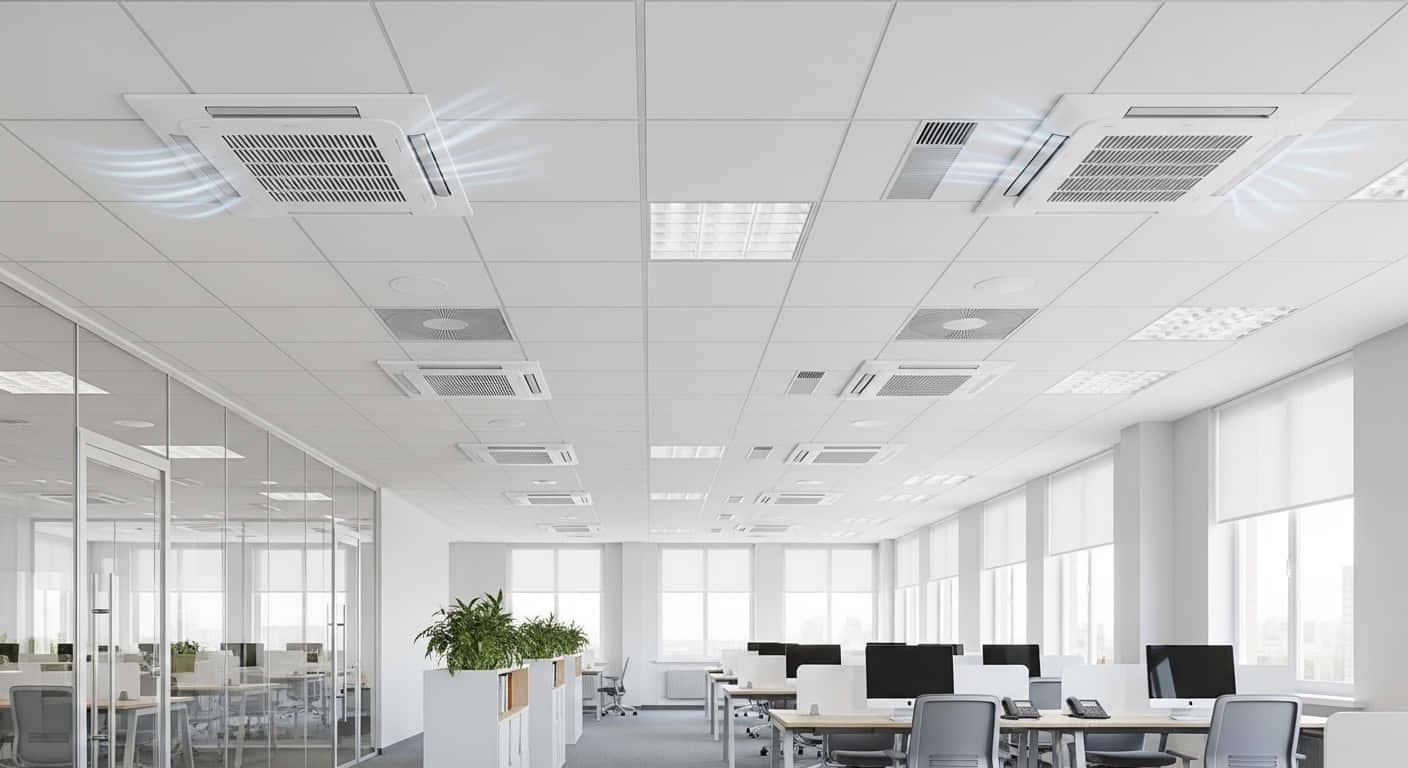
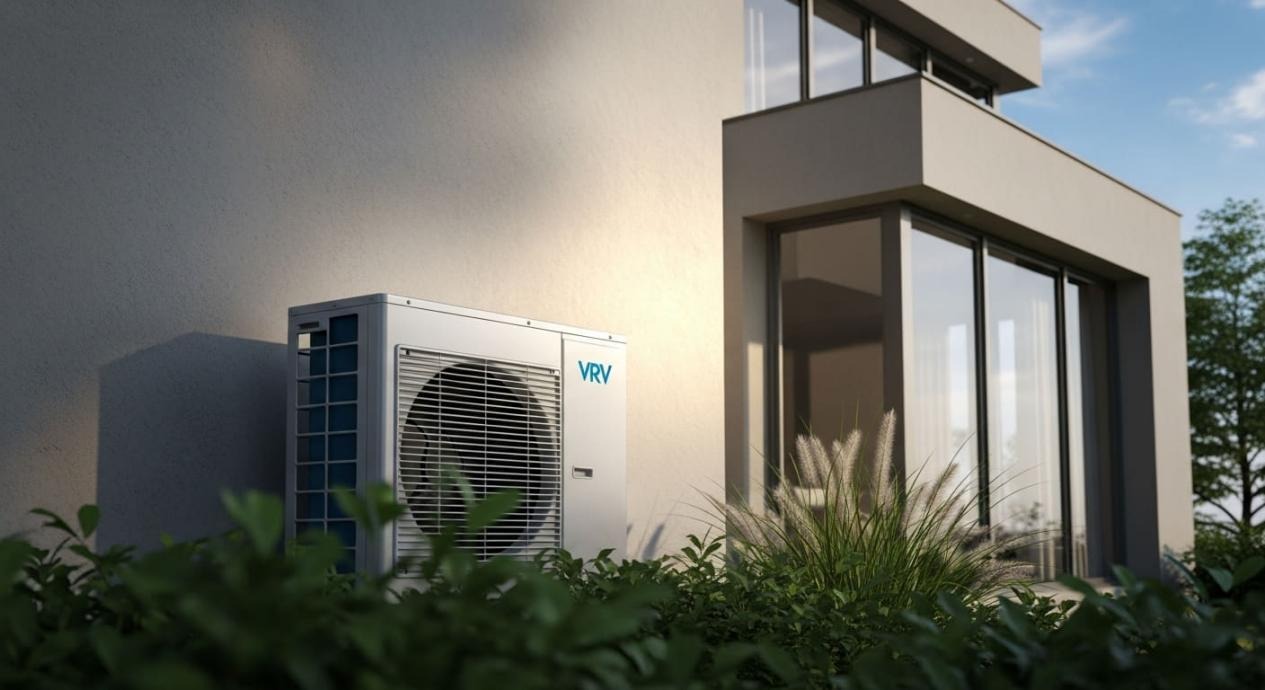
VRV stands for Variable Refrigerant Volume, a technology first developed in Japan and now widely used in Australia. A VRV system consists of a single outdoor unit that connects to multiple indoor units through a network of refrigerant pipes. Each indoor unit can be a wall-mounted, ceiling cassette, or ducted fan-coil, and it can operate independently of the others. The outdoor compressor adjusts the flow of refrigerant in real time, delivering exactly the amount of cooling or heating each room needs.
Key Features of VRV Air Conditioning
- Individual temperature control for each zone
- Energy-saving by only heating or cooling occupied spaces
- Compact outdoor unit that can serve many rooms
- Quiet indoor units – ideal for bedrooms and study areas
- Supports both heating and cooling in the same system (reverse-cycle)
What Is Ducted Air Conditioning?
Ducted air conditioning is the classic “whole-house” solution many Australians grew up with. A single large outdoor unit pushes conditioned air through a network of insulated ducts that run behind walls, ceilings, or under floors. The air is delivered to each room through vents or registers, and a thermostat in the main living area controls the overall temperature. Ducted systems can be split-system (one outdoor unit) or multi-split (multiple outdoor units for larger properties).
Key Features of Ducted Air Conditioning
- Uniform temperature across the whole house
- Invisible indoor components – vents blend with décor
- Can be combined with heating for year-round comfort
- Often paired with smart thermostats for scheduling
- Suitable for new builds with space for ductwork
Pros and Cons of VRV Air Conditioning
Advantages
- Energy efficiency: The system only supplies refrigerant where it’s needed, which can lower electricity bills by up to 30 % compared with a constantly running ducted system.
- Flexibility: You can add or remove indoor units without major construction, making it ideal for extensions or renovations.
- Quiet operation: Indoor units operate at low sound levels, a big plus for open-plan living spaces.
- Precise control: Each room can have its own thermostat, so families can set different temperatures for comfort.
- Space saving: Only one outdoor unit is required, which is useful for narrow streets or properties with limited garden space.
Disadvantages
- Higher upfront cost: The initial purchase and installation price is usually greater than a standard ducted system.
- Complex installation: Requires a qualified technician to design the refrigerant piping layout, especially in older homes.
- Maintenance of multiple units: Each indoor unit needs regular cleaning, which can add to service time.
- Limited to certain indoor styles: Some homeowners prefer concealed ducted vents over visible wall-mounted units.
Pros and Cons of Ducted Air Conditioning
Advantages
- Whole-house comfort: One thermostat controls the entire property, simplifying operation.
- Clean aesthetic: No visible indoor units; only small vents are seen.
- Higher resale value: Many Australian buyers expect a ducted system in newer homes.
- Scalable for large homes: Multiple outdoor units can be linked for very large floor areas.
- Easy to integrate with smart home systems: Many ducted units work with popular Australian smart thermostats.
Disadvantages
- Energy waste: Even rooms that are not in use receive conditioned air, which can increase electricity consumption.
- Installation disruption: Running ducts often requires cutting into walls or ceilings, which can be messy and costly.
- Potential for uneven temperatures: Poorly designed ductwork can lead to hot or cold spots.
- Higher long-term operating cost: Continuous operation of a large compressor can raise bills, especially in hot Australian summers.
Comparing VRV and Ducted Systems in an Australian Context
Australia’s climate varies from tropical north to temperate south, and most homes experience hot summers and mild winters. Energy efficiency is a major concern due to rising electricity prices and the push for lower carbon footprints. Both VRV and ducted systems must meet the National Construction Code (NCC) and the Australian Standard AS/NZS 5149 for air-conditioning safety. However, the way each system aligns with local priorities differs.
Energy Efficiency and the Australian Energy Rating
- VRV systems often achieve a higher Energy Efficiency Ratio (EER) and can qualify for a better star rating under the Australian Government’s Energy Rating Scheme.
- Ducted systems can also be high-efficiency if they use inverter compressors, but the presence of duct losses usually lowers the overall rating.
Installation Considerations for Australian Homes
- VRV is ideal for homes with limited roof space, such as townhouses in Melbourne’s inner suburbs or Queensland apartments, where a single rooftop unit is preferred.
- Ducted systems work well in new builds with ample ceiling space for ducts, common in suburban developments across Sydney, Adelaide, and Perth.
- Both systems must comply with local council regulations on outdoor unit placement, noise limits (often 45 dB(A) in residential zones), and setback distances from property boundaries.
Cost Comparison (Typical Australian Prices)
- VRV: $12,000 – $25,000 for a 3-zone installation, including design, piping, and indoor units.
- Ducted: $8,000 – $18,000 for a standard 4-zone system, depending on duct length and insulation.
- Annual operating cost: VRV may save $500 – $1,200 per year on electricity, especially when rooms are left unoccupied.
Local Providers and Competitors
In Victoria, providers such as Maroondah Air (maroondahair.com.au) specialise in both VRV and ducted installations. Other national competitors include Daikin, Mitsubishi, and Fujitsu, each offering a range of VRV models that meet Australian standards. When choosing a contractor, look for an installer with a valid Australian Refrigeration Licence (ARL) and experience with the NCC requirements.
Regulatory and Sustainability Factors in Australia
The Australian government encourages energy-saving technologies through rebates and incentives. The Small-scale Renewable Energy Scheme (SRES) and state-based energy-efficiency programs may provide a discount on VRV installations that meet a minimum star rating. Additionally, many local councils require a Building Permit for any new air-conditioning work, and the installer must submit a compliance certificate after completion.
Environmental Impact
- VRV systems use less refrigerant overall because the same outdoor unit serves multiple indoor units, reducing the risk of leaks.
- Ducted systems often require larger amounts of refrigerant and can suffer from duct losses, which increase carbon emissions.
Choosing the Right System for Your Australian Home
The decision between VRV air conditioning and ducted air conditioning ultimately depends on your home’s layout, budget, and how you use each space. If you have a multi-level house, a large family, or frequently leave rooms empty, VRV’s zone control can translate into real savings. If you prefer a single thermostat and a clean look with no visible indoor units, a ducted system may be the better fit. In either case, working with a reputable local installer who understands Australian regulations will ensure a smooth project.
Questions and Answers: Common Questions About VRV Air Conditioning in Australia
Below are some of the most frequently asked questions by Australian homeowners considering VRV air conditioning. The answers are written in plain language to help you make an informed choice.
What is the main difference between VRV and traditional split-system air conditioners?
A split-system has one outdoor unit paired with a single indoor unit. VRV, on the other hand, uses one outdoor unit that can connect to many indoor units, each with its own thermostat. This means VRV can condition several rooms independently, while a split-system can only serve one space.
Can VRV air conditioning be installed in an older Queensland home?
Yes. Because VRV uses refrigerant piping instead of large ducts, it can be retrofitted into older homes with minimal wall or ceiling work. A qualified installer will assess the existing structure and plan the pipe routes to meet the NCC and local council rules.
How much does a typical VRV system cost in Melbourne?
For a three-zone VRV installation in Melbourne, you can expect to pay between $12,000 and $18,000, including the outdoor unit, indoor units, piping, and labour. The exact price depends on the brand, the number of indoor units, and any additional controls such as smart thermostats.
Are there any government rebates for installing VRV air conditioning in New South Wales?
New South Wales offers a Home Energy Savings Scheme that provides rebates for high-efficiency air-conditioning systems, including VRV models that meet a minimum star rating. Check with your local council or the NSW government website for the latest eligibility criteria and application process.
What maintenance does a VRV system require?
VRV systems need regular cleaning of the indoor filters, usually every three to six months. The outdoor unit should be inspected annually by a licensed technician to check refrigerant levels, coil condition, and fan operation. Keeping the system tidy helps maintain efficiency and prolongs its lifespan.
Conclusion: Your Path to a Successful vrv air conditioning in Australia
Choosing the right air-conditioning system is a key part of any home improvement project in Australia. VRV air conditioning offers zone-by-zone control, energy savings, and flexibility that can suit modern, busy households. Ducted air conditioning remains a solid choice for those who prefer a single thermostat and a hidden indoor footprint. By understanding the pros, cons, and local regulations, you can decide which technology aligns with your budget, climate, and lifestyle. If you’re ready to explore VRV for your home, start by contacting a licensed installer such as Maroondah Air, request a detailed quote, and ask about any available rebates. With the right plan and professional help, you’ll enjoy comfortable indoor temperatures while keeping energy costs and environmental impact low.