
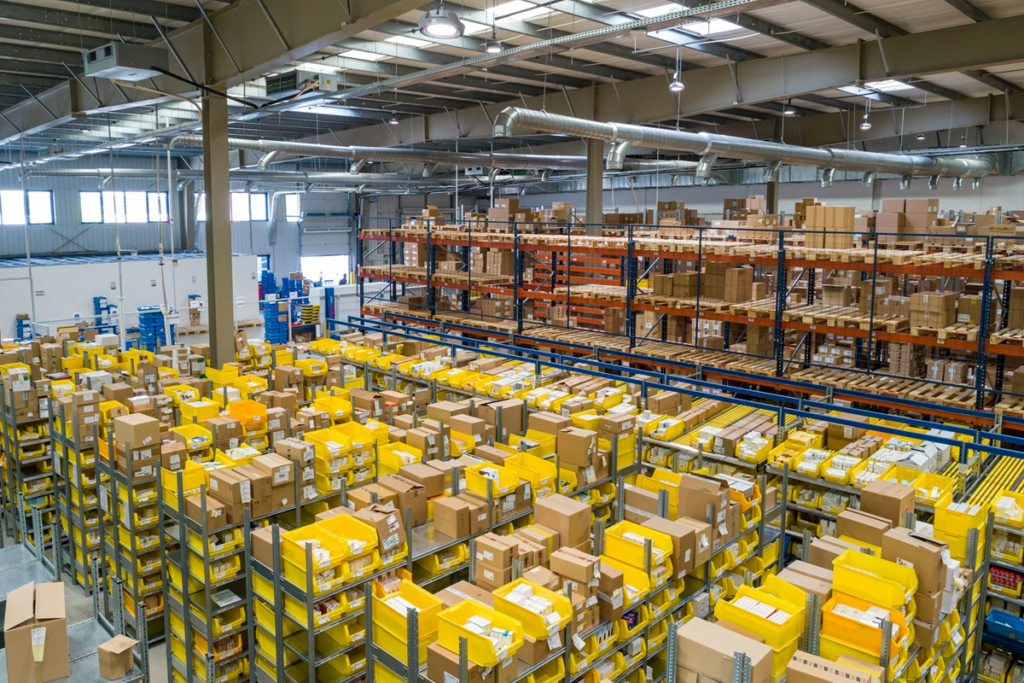
Picture: Unsplash
Warehouses are fast-paced environments that rely on coordination, equipment, and strict safety practices to function efficiently. When oversight is strong, these facilities can operate smoothly and safely even under tight production demands. However, when supervision breaks down or safety protocols are inconsistently enforced, warehouses quickly become high-risk workplaces. Injuries in these settings are often severe, disruptive, and entirely preventable. Understanding how inadequate oversight contributes to common warehouse injuries helps illuminate why proper management, training, and accountability are essential for worker safety.
Forklift and Powered Equipment Accidents
Forklifts and powered industrial vehicles are essential tools in warehouse operations, yet they are also a leading source of serious injuries. Accidents often occur when operators are improperly trained, certification is outdated, or supervision is lax. Poor oversight allows unsafe behaviors such as speeding, overloading, or operating equipment in congested areas to become normalized.
When management fails to enforce clear traffic patterns or maintenance schedules, the risk increases dramatically. Collisions between forklifts and workers can result in crushing injuries, fractures, and head trauma. Rollovers and tip-overs pose additional danger, especially in facilities with uneven flooring or poorly marked loading zones. These incidents are not simply the result of human error. They often reflect systemic failures in oversight, training, and enforcement that put workers in harm’s way.
Falling Objects From Improper Storage
One of the most common and dangerous hazards in warehouses is falling inventory. Poor oversight in storage practices contributes significantly to these incidents. Improperly stacked pallets, overloaded shelving, and unsecured materials all increase the likelihood that items will fall from height. When supervisors fail to inspect storage systems regularly or ignore capacity limits, workers below face serious risk.
Injuries caused by falling objects can include head injuries, spinal damage, and broken bones. Even relatively lightweight items can cause severe harm when dropped from upper racks. Warehouses that prioritize speed over organization often allow cluttered aisles and unstable stacks to persist. Without consistent enforcement of safe stacking procedures, these environments become unpredictable and dangerous for employees performing routine tasks.
Slip, Trip, and Fall Injuries on Warehouse Floors
Warehouse floors are constantly exposed to spills, debris, and heavy foot traffic. When these hazards are not promptly addressed, slip, trip, and fall injuries become inevitable. Poor oversight allows minor issues such as loose shrink wrap, leaking fluids, or uneven surfaces to remain uncorrected for extended periods. Over time, these conditions create a workplace where injuries are not a matter of if, but when.
Falls in warehouses frequently result in serious injury due to the presence of concrete flooring, machinery, and elevated platforms. Workers may suffer fractures, ligament damage, or traumatic head injuries. In some cases, falls from loading docks or mezzanine levels can be catastrophic. Effective oversight requires regular inspections, clear cleaning protocols, and immediate response to reported hazards. Without these measures, everyday conditions quickly escalate into major safety threats.
Overexertion and Improper Lifting Practices
Manual handling remains a significant part of warehouse work, even in highly automated facilities. When oversight is insufficient, employees may be expected to lift heavy or awkward loads without proper assistance, training, or equipment. Supervisors who fail to monitor workloads or enforce safe lifting guidelines contribute directly to overexertion injuries.
Back injuries, muscle strains, and joint damage are common outcomes of poor lifting practices. These injuries often develop gradually, which can make them easier for employers to dismiss or overlook. However, cumulative strain can lead to long-term disability that prevents employees from returning to physically demanding roles. Adequate oversight includes monitoring task assignments, providing mechanical aids, and ensuring workers receive regular training on proper techniques. Without this support, warehouse employees face repeated physical stress that can have lasting consequences.
Caught In or Between Equipment and Structures
Some of the most severe warehouse injuries involve workers being caught in or between machinery, racks, or transport vehicles. These incidents often occur due to inadequate supervision of hazardous zones or failure to enforce lockout and tagging procedures during maintenance. When oversight is weak, safety rules may exist on paper but are not practiced consistently.
Caught in or between injuries can include amputations, crushing injuries, and fatal trauma. These accidents frequently happen when workers are cleaning, repairing equipment, or working near moving machinery without proper safeguards. Poor communication between shifts, lack of signage, and insufficient supervision all contribute to these dangerous situations. Effective oversight requires active management presence, strict adherence to safety protocols, and clear accountability when violations occur.
How Poor Oversight Creates a Culture of Risk
Beyond individual hazards, poor oversight often creates a broader culture where risk is accepted as normal. When management overlooks unsafe behaviors or discourages reporting issues, employees may feel pressured to prioritize productivity over safety. Over time, this environment erodes trust and increases the likelihood of serious injury.
Workers in these conditions may hesitate to speak up due to fear of retaliation or job loss. Safety meetings become procedural rather than meaningful, and training is treated as a formality rather than a protective measure. This culture of risk does not develop overnight. It grows from repeated failures to address problems when they first arise. Strong oversight is essential to reversing this pattern and rebuilding a commitment to worker safety.
Legal and Financial Consequences of Oversight Failures
When warehouse injuries occur due to poor oversight, the consequences extend beyond physical harm. Injured employees often face lost wages, long recovery periods, and ongoing medical expenses. In cases where negligence plays a role, workers may seek guidance from a qualified personal injury lawyer to understand their options and rights. Legal action can serve as a means of accountability when safety responsibilities are ignored.
For employers, the cost of poor oversight includes increased insurance claims, regulatory penalties, and reputational damage. More importantly, it undermines employee morale and retention. Investing in proper supervision and safety enforcement is not only a legal obligation, but also a practical strategy for long-term operational stability.
The Role of Proactive Management in Injury Prevention
Effective warehouse oversight is proactive rather than reactive. It involves consistent safety training, visible management presence, and regular evaluation of working conditions. Supervisors play a critical role in identifying risks before they result in injuries and ensuring that safety procedures evolve alongside operational demands.
Encouraging open communication allows employees to report hazards without fear. Clear accountability ensures that safety concerns are addressed promptly rather than dismissed. When oversight is active and engaged, workers are more likely to follow protocols and participate in creating a safer environment. Injury prevention becomes a shared responsibility rather than a checklist item.
Conclusion
Warehouse injuries are rarely isolated accidents. They are often the result of systemic issues rooted in poor oversight and inconsistent safety enforcement. From equipment accidents to overexertion and falling objects, many of the most serious injuries can be traced back to preventable conditions. Strong management, clear accountability, and a commitment to safety culture are essential for protecting workers in demanding warehouse environments. When oversight improves, injury risk declines, productivity stabilizes, and employees gain confidence that their well-being is truly a priority.