
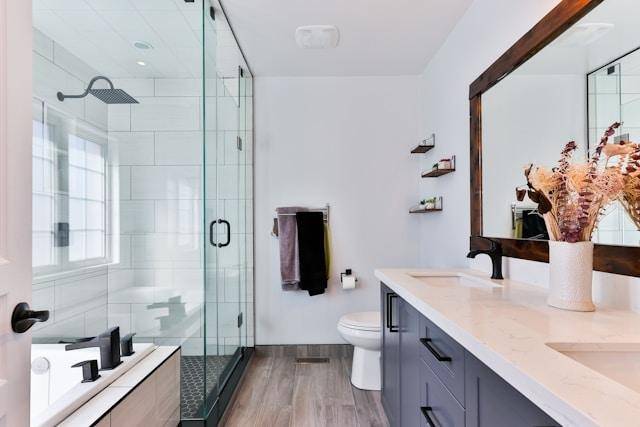
Photo by Lotus Design N Print on Unsplash
Introduction
Bathrooms are among the most essential spaces in any home, yet they are often overlooked in terms of comfort and accessibility. A well-designed bathroom should not only meet functional needs but also provide a safe and welcoming environment for people of all ages and abilities. Whether you are renovating an existing space or building a new one, thoughtful planning can transform a bathroom into a sanctuary that balances style, practicality and inclusivity. Below are eight steps to help you create a bathroom that is both comfortable and accessible.
Focus on Layout and Flow
The foundation of an accessible bathroom lies in its layout. Clear pathways and open floor space are essential for maneuverability for individuals using mobility aids. Positioning fixtures such as sinks, toilets, and showers to minimize obstructions ensures ease of movement. A well-planned layout also enhances comfort by creating a natural flow between different zones of the bathroom.
Install Grab Bars and Support Features
Safety is a top priority in accessible bathrooms. Installing grab bars near toilets, showers and bathtubs provides stability and reduces the risk of falls. These features should be anchored and positioned at appropriate heights for maximum effectiveness. Beyond grab bars, support features such as non-slip flooring and sturdy handrails contribute to a safer environment without compromising aesthetics.
Choose Accessible Fixtures
Fixtures play a significant role in usability. Comfort-height toilets, lever-style faucets and wall-mounted sinks are excellent choices to ensure accessibility. These fixtures are designed to reduce strain and accommodate a wide range of users. Adjustable showerheads and handheld sprayers further enhance convenience and allow individuals to customize their bathing experience. Selecting fixtures with accessibility in mind ensures that the bathroom remains functional for everyone.
Prioritize Lighting and Visibility
Proper lighting is crucial for both comfort and safety. Bright and even illumination reduces shadows and enhances visibility to make it easier to navigate space. Task lighting near mirrors and vanities supports grooming activities, and ambient lighting creates a welcoming atmosphere. Motion-sensor lights add convenience to individuals with limited mobility. Thoughtful lighting design elevates the bathroom’s functionality and appeal.
Incorporate Accessible Storage Solutions
Storage is often overlooked in bathroom design, yet it plays a key role in maintaining order and accessibility. Open shelving, pull-out drawers and adjustable cabinets make essentials easy to reach. Avoiding high or deep storage areas ensures that items remain accessible to all users. By integrating practical storage solutions, you can keep the bathroom organized while enhancing usability.
Upgrade the Shower Area
Showers are central to bathroom comfort, and accessibility upgrades can have a significant impact. Walk-in showers with low or no thresholds remove barriers, while built-in seating provides convenience for those who need it. Slip-resistant tiles and placed shelves boost safety and functionality. Many homeowners opt for shower remodeling projects to add these features and ensure that the shower area is both stylish and accessible.
Embrace Universal Design Principles
Universal design emphasizes inclusivity by creating spaces that serve everyone, regardless of age or ability. In bathrooms, this means bringing together aesthetics with accessibility. Wide doorways, adjustable fixtures, and flexible layouts are hallmarks of universal design. By embracing these principles, you create a bathroom that adapts to changing needs over time and offers long-term comfort and usability.
Add Personal Comfort Touches
Accessibility does not mean giving up comfort or style. Heated floors soft-close cabinetry, and soothing color palettes contribute to a welcoming environment. Adding plants, artwork, or decorative accents provides personality and warmth. These touches transform the bathroom from a functional space into a retreat that promotes relaxation and well-being.
Conclusion
Building a comfortable and accessible bathroom needs a thoughtful mix of safety, practicality, and design. From layout and fixtures to lighting, storage, and universal design principles, each step helps make a space that serves different needs while keeping style. When you blend accessibility features with personal comfort touches, you can create a bathroom that is not only useful but also welcoming—a space that supports well-being and adjusts as life changes.