
The Devil Wears Prada is making headlines again, and it’s fitting. Nearly two decades after the first film turned cerulean sweaters into a cultural reference point, the sequel has arrived in the theatres. And audiences are showing up in heels, loafers, and nostalgia!
Early box office numbers suggest the franchise still has a strong grip on viewers who love fashion, workplace drama, and sharp one-liners. Critics, meanwhile, seem divided. Some are enjoying the return to glossy chaos, while others are asking the same question fans have debated since 2006: Was the movie ever better than the book?
The conversation is in full swing, and honestly, it’s a fun one.
When it comes to one of the best-selling novels in India, the differences are bigger than people remember.
The Book Came First
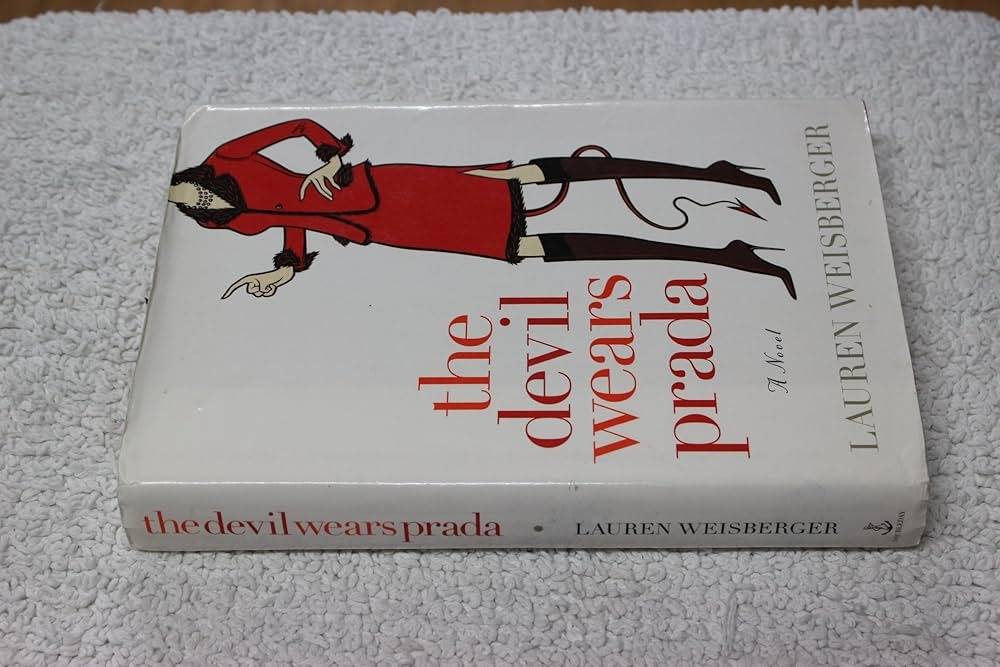
Before the film became one of the best book-to-movie adaptations people still rewatch on streaming platforms, it was a novel written by Lauren Weisberger.
Weisberger famously worked as an assistant to Anna Wintour, and readers immediately connected the dots between Wintour and the fictional Miranda Priestly. The original novel landed at a time when workplace fiction, especially chick lit, was dominating shelves. Alongside titles like Bridget Jones’s Diary, it quickly became one of the most popular books in India and abroad.
Walk into a place like Oxford Bookstore even today, and chances are you’ll still spot a copy tucked into the contemporary fiction section beside newer office-drama novels!
But the tone of the book is very different from the movie.
In the novel, Andrea Sachs is more frustrated, sarcastic, and honestly, more exhausted. The fashion world feels less glamorous and more emotionally draining. Miranda is harsher, the work culture is darker, and Andy’s friendships suffer far more than they do onscreen. Readers spend a lot more time inside Andy’s thoughts, which makes her burnout feel real instead of stylish.
The film softened some of that edge.
Why the Movie Worked So Well
The 2006 film succeeded because it understood entertainment value. It trimmed the novel’s slower parts and leaned into comedy, fashion, and chemistry between the cast. Meryl Streep turned Miranda into a cultural icon rather than just a nightmare boss. And Anne Hathaway gave Andy enough warmth that viewers rooted for her even when she drifted into the glamorous machine she originally mocked.
This is where the debate around book adaptation vs film adaptation gets interesting.
The movie made Miranda more layered. In the book, she’s intimidating almost all the time! In the film, tiny moments of vulnerability slip through. The famous hotel scene in Paris changed audience perception completely. Suddenly, Miranda wasn’t just cruel. She was a woman surviving an industry that demanded perfection.
The emotional nuance wasn’t really present in the same way in the novel.
At the same time, the film removed some messy subplots from the book. Andy’s family drama, Lily’s downward spiral, and several workplace conflicts were shortened or simplified. Fans of the novel sometimes argue that the movie traded realism for polish. They’re not entirely wrong.
The Sequel Has Restarted the Debate
Now that The Devil Wears Prada 2 is in theatres, audiences are comparing the franchise to Weisberger’s later books again. The sequel reportedly borrows ideas from her follow-up novels while also creating new material for the screen. Critics say the tone feels closer to the original film than the books, with more emphasis on fashion-world spectacle and witty exchanges than emotional realism.
That may actually work in its favour.
Modern viewers often expect adaptations to stand on their own rather than copy every chapter. Some of the strongest books worth reading become successful films precisely because they change things.
So…Which Version is Better?
The answer depends on what you want from the story.
If you enjoy sharp workplace satire with more emotional depth, the book delivers that better. It feels more grounded and more openly critical of toxic work culture. Readers who love character-driven fiction will probably prefer Weisberger’s version.
But if you want memorable performances, iconic fashion moments, and endlessly quotable dialogue, the movie wins. There’s a reason it still appears in conversations about best-selling novels of all time adaptations and iconic fashion films.
And maybe that’s why people still keep revisiting both. Whether they buy books online in India, browse bookstores on a lazy weekend, or queue up the movie during a comfort-watch marathon.
Somewhere between the book and the film, The Devil Wears Prada became more than a workplace story. It became a pop culture personality of its own.
FAQs
- What are the biggest differences between the book and the movie The Devil Wears Prada?
The movie makes Miranda Priestly more sympathetic and human, whereas the book portrays her as purely villainous. Additionally, the film’s ending offers Andy a more empowered, professional resolution, while in the book she quits Runway but faces uncertainty. Overall, the book centres on Andy’s personal journey and her relationships, while the film shifts the spotlight to the glamour and ruthless competitiveness of the fashion industry.
- Is the movie version of The Devil Wears Prada better than the book?
Most fans prefer the movie because Meryl Streep’s iconic performance adds depth to Miranda. While the book is more detailed, the film is considered more stylish and entertaining. To make up your mind, we suggest picking the title from Oxford Bookstore or Crossword!
- How accurate is The Devil Wears Prada to the fashion industry?
The film captures the industry’s high-pressure atmosphere and demanding nature well. While some parts are exaggerated for drama, it accurately reflects the intense perfectionism found in elite fashion magazines.