
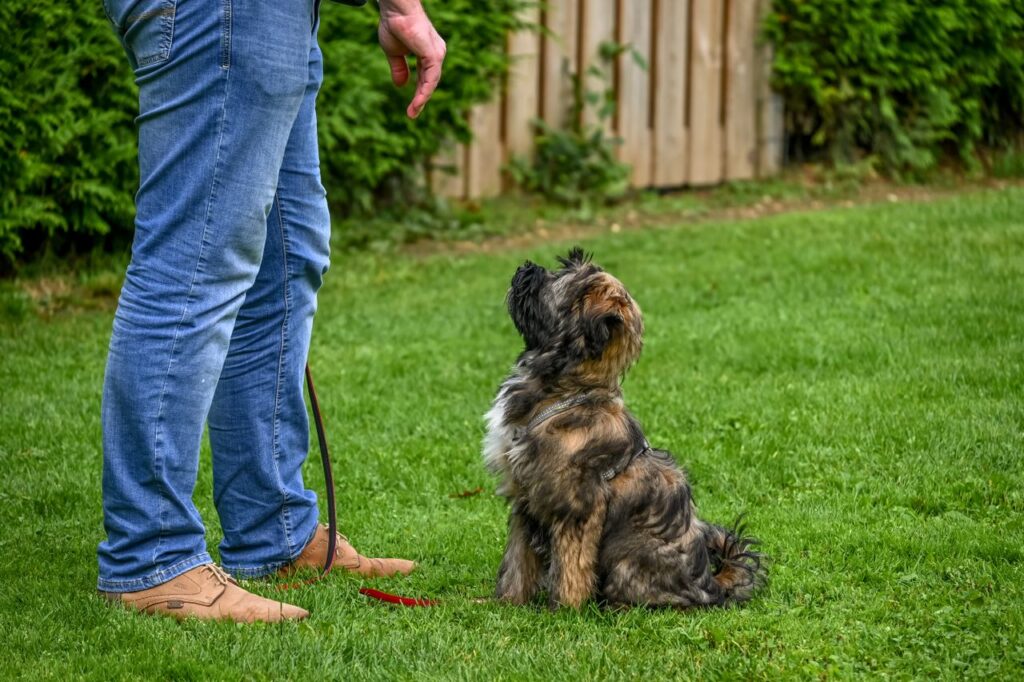
Clear communication is the foundation of a strong, trusting relationship between dogs and their owners. Dogs rely on body language, tone, and consistent cues to understand what is expected of them, and when communication is clear, training becomes smoother and daily interactions feel more harmonious. Building better communication takes patience and awareness, but the results are rewarding. With the right approach, dogs become more confident, responsive, and connected to the people guiding them.
Understanding Your Dog’s Body Language
Dogs communicate primarily through body language, and learning to read their signals is essential for improving communication. Subtle cues such as ear position, tail movement, posture, and facial expressions reveal how a dog feels in any moment. Recognizing signs of excitement, stress, uncertainty, or relaxation helps owners respond appropriately and avoid misunderstandings. When owners understand what their dogs are expressing, they can guide interactions more effectively and create a calmer, more supportive environment.
Using Consistent Verbal and Nonverbal Cues
Consistency is one of the most important elements of effective communication. Dogs learn through repetition, and using the same words, gestures, and tone helps them understand commands more quickly. Changing cues or mixing signals can confuse even well-trained dogs. Establishing clear, consistent communication patterns allows dogs to build reliable associations and respond with confidence. Over time, this consistency strengthens the bond between dog and owner and supports smoother training experiences.
Reinforcing Positive Behavior Through Rewards
Positive reinforcement is a powerful tool for helping dogs understand which behaviors are desired. Rewarding good behavior with treats, praise, or affection encourages dogs to repeat those actions. This method builds trust and makes training more enjoyable for both dog and owner. Reinforcement should be delivered immediately so the dog can connect the reward to the behavior. When used consistently, positive reinforcement becomes a natural part of communication and helps dogs learn more quickly.
Practicing Patience and Clear Timing
Timing plays a major role in how effectively dogs interpret communication. Dogs respond best when cues and rewards are delivered promptly and clearly. Delayed reactions can cause confusion, making it harder for dogs to understand what they did correctly. Patience is equally important, as dogs learn at different speeds and may need time to process new information. A calm, steady approach helps dogs stay focused and reduces frustration for both sides. When timing and patience work together, communication becomes more intuitive and effective.
Addressing Behavioral Challenges with Professional Guidance
Some dogs experience behavioral challenges that make communication more difficult. Reactivity, fear, or aggression can interfere with learning and create stressful situations. In these cases, working with professionals who offer reputable dog aggression training can provide valuable support. Skilled trainers use structured, evidence-based methods to help dogs overcome obstacles and develop healthier communication patterns. Professional guidance ensures that training remains safe, effective, and tailored to the dog’s specific needs, allowing communication to improve steadily over time.
Creating a Calm Environment for Learning
Dogs learn best in environments that feel safe and free from unnecessary distractions. A calm setting helps dogs focus on cues and reduces the likelihood of overstimulation. As dogs become more confident, distractions can be introduced gradually to strengthen reliability. Creating a peaceful learning environment supports clearer communication and helps dogs feel more secure. This foundation allows training to progress smoothly and encourages dogs to remain attentive and engaged.
Strengthening Communication Through Daily Interaction
Everyday interactions offer valuable opportunities to reinforce communication. Simple routines such as mealtime, walks, and play sessions help dogs practice listening and responding to cues. Using consistent language and maintaining predictable patterns during these moments helps dogs understand expectations more clearly. When communication becomes part of daily life, dogs develop stronger habits and a deeper connection with their owners. These small, consistent interactions build trust and support long-term success.
Conclusion
Building better communication with your dog involves understanding body language, using consistent cues, reinforcing positive behavior, practicing patience, seeking professional support when needed, creating a calm learning environment, and strengthening communication through daily routines. With a thoughtful and steady approach, dogs become more responsive, confident, and connected, enriching the relationship for years to come.