
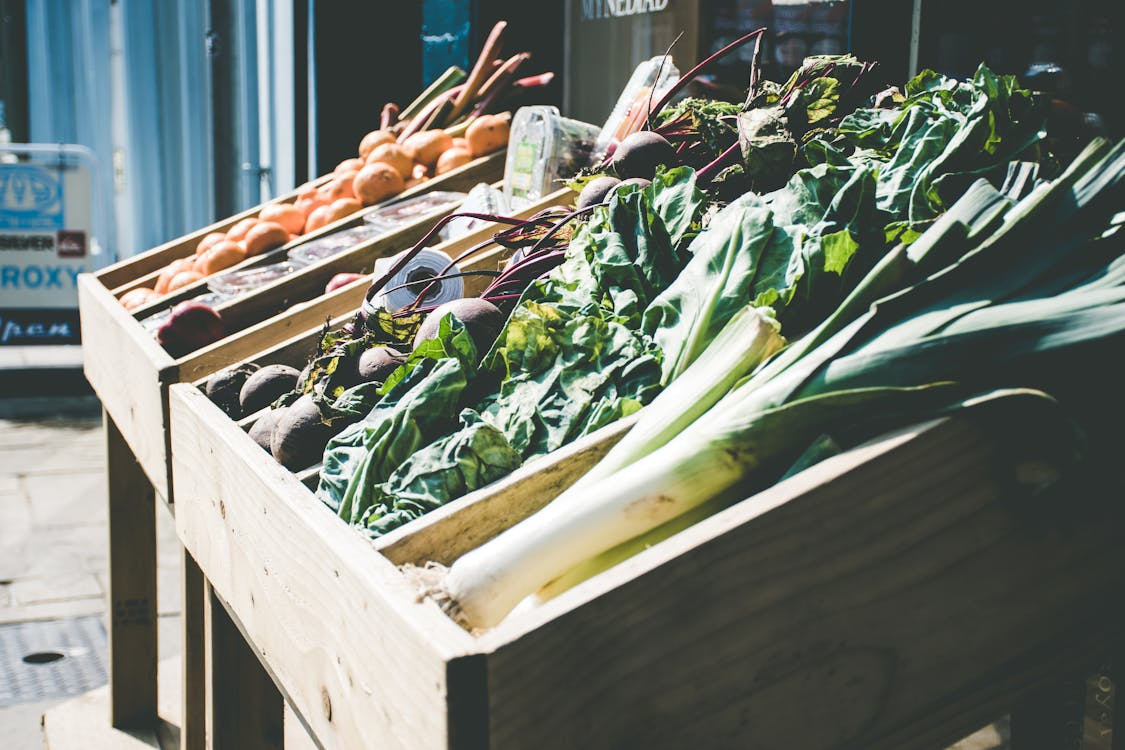
Eating local produce, or “sustainable eating,” as many like to call it, has become increasingly popular over the past decade. With so many benefits, it is surprising that the shift hasn’t happened sooner. The biggest reason many people make the transition from global to local is the unmatched taste and nutritional value. But as it becomes more widely discussed, many are also beginning to learn about some of the other impressive reasons to eat locally.
The term sustainable eating comes from the lower environmental impact of eating locally produced food. Shorter food chains reduce the distance our produce has to travel, significantly lowering greenhouse gas emissions. In fact, importing overseas produce creates even more harmful gases, not only from the extra miles travelled but also from refrigeration during transport. But that’s not all. Supporting local businesses means that more of your money stays within your community. Farmland and green spaces are prioritised locally, and there is more funding available to improve services and facilities in the area.
So, how easy is it to start eating farm-to-table? Here are three simple ways to introduce more local produce into your everyday diet and to bring this positive lifestyle change to your daily routine.
Tip Number 1: Eat with the Seasons
Believe it or not, food that is in season contains the nutrients and minerals that our bodies need at particular times of the year. Not only that, but seasonal food is generally cheaper than out-of-season alternatives. A great way to get started with eating locally is to choose and cook fruits and vegetables that are in season at that time.
If you’re not sure which produce is in season when, doing some online research will give you extensive guides. Don’t worry – you won’t be short of choice. Each season brings a new range of vegetables at their peak in flavour and freshness. Who knows, eating seasonally might even introduce you to vegetables you’ve never tried before.
An easy way to transition your diet is to visit your local farmers’ market. This will help you naturally purchase what is currently being grown nearby. It’s also worth remembering that if something is priced well, it is highly likely to be in season.
Tip Number 2: Choose Local Over Large Retailers
Shopping at your local supermarket may be convenient and your default choice, but swapping the superstore for a local butcher, baker, or greengrocer is a fantastic way to access fresher local produce while supporting local businesses.
It is reassuring to know that choosing independent producers often guarantees food that hasn’t been stored for months, offering a fresher taste and longer-lasting quality at home. If large supermarkets are all you have ever known, the quickest way to register with a local milkman is to use an online postcode checker or simply search “milkman near me” online.
Tip Number 3: Freeze, Can & Preserve
When eating seasonally becomes a challenge, freezing seasonal produce is a clever way to enjoy locally grown food all year round. It removes the need to rely on imported, out-of-season alternatives while also reducing food waste. The freezing process limits nutrient loss immediately after harvest, meaning that when the food is ready to use, it remains highly nutritious. For best results when it comes to freezing and preserving veg, boiling and cooling vegetables, also known as blanching, before freezing helps to stop enzyme activity and preserves the vegetables’ texture and colour. Carrots and beans are particularly well suited to this process.
Understanding where our food comes from and how it is grown is the first step towards changing our eating habits. Paying attention to food labels in your cupboards week by week can help you understand how far your diet is from being locally based. Without a doubt, transitioning to a more locally based diet requires some adjustment. However, with the right preparation, it is easy to achieve and beneficial for you, your local economy, and the wider planet.