
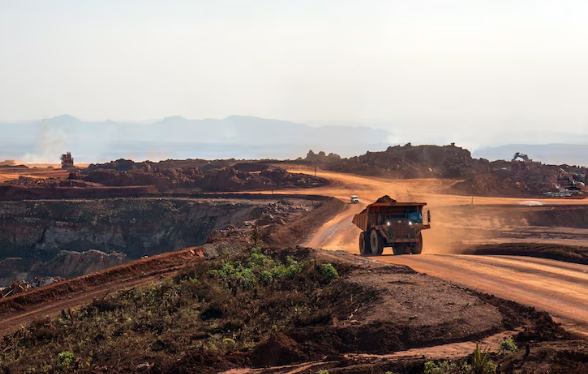
Australia’s mining industry has long been a cornerstone of the national economy, supplying essential resources to domestic and international markets. However, as stakeholder expectations continue to evolve, mining companies are increasingly being assessed on more than just production output and profitability. Environmental, Social and Governance (ESG) considerations have become a critical factor influencing investment decisions, regulatory compliance, community relationships and long-term business sustainability.
The shift towards stronger ESG performance reflects a broader recognition that responsible mining practices are essential for maintaining a social licence to operate. From reducing environmental impacts to strengthening workplace safety and implementing effective corrosion protection measures for critical infrastructure, mining organisations are under growing pressure to demonstrate their commitment to sustainable operations. As a result, ESG is no longer viewed as a supplementary business function but as a fundamental component of strategic planning and risk management.
Why ESG Matters More Than Ever in Australian Mining
The mining sector operates in a highly visible environment where environmental performance, workforce welfare and governance standards are subject to increasing scrutiny. Investors, regulators, local communities and customers are all demanding greater transparency and accountability.
Strong ESG performance can help mining companies manage operational risks, improve stakeholder confidence and enhance long-term resilience. Conversely, poor ESG practices can lead to reputational damage, project delays, regulatory penalties and reduced access to capital.
As Australia continues to strengthen its sustainability objectives, mining organisations are recognising that ESG principles play a significant role in securing future growth and competitiveness.
Environmental Responsibility and Resource Management
Environmental stewardship remains one of the most significant aspects of ESG within the mining industry. Mining activities can have substantial impacts on land, water resources, biodiversity and greenhouse gas emissions if not managed effectively.
Companies are increasingly investing in initiatives that reduce environmental footprints, including improved waste management, water conservation programs and energy-efficient operations. Many organisations are also exploring opportunities to incorporate renewable energy sources into mining sites to reduce emissions and support broader climate goals.
Environmental performance is becoming a key benchmark for investors and regulators alike. Demonstrating measurable progress in sustainability initiatives can strengthen stakeholder trust and improve access to future development opportunities.
Social Expectations and Community Engagement
The social component of ESG focuses on the relationships between mining companies, employees, Indigenous communities and local stakeholders. Building positive community relationships has become essential for maintaining operational continuity and project approval.
Meaningful engagement with local communities helps address concerns, identify opportunities for collaboration and ensure that mining projects deliver lasting benefits. This includes supporting local employment, investing in regional development and respecting cultural heritage.
Workplace health and safety also remains a critical social consideration. Mining organisations are expected to provide safe working environments, robust training programs and strong employee wellbeing initiatives. A positive safety culture not only protects workers but also contributes to improved productivity and organisational performance.
Governance as a Foundation for Trust
Governance refers to the systems, policies and leadership structures that guide organisational decision-making. Effective governance is essential for ensuring accountability, ethical conduct and regulatory compliance.
In the mining sector, strong governance frameworks help organisations manage risk, maintain transparency and respond effectively to emerging challenges. This includes oversight of environmental performance, workplace practices, financial reporting and stakeholder engagement.
Investors are increasingly evaluating governance standards when assessing potential opportunities. Organisations with clear governance structures and transparent reporting processes are often viewed as better positioned to manage long-term risks and create sustainable value.
The Growing Influence of Investors and Financial Markets
ESG performance has become a significant factor in investment decisions across global financial markets. Institutional investors are increasingly incorporating ESG criteria into their assessment processes, recognising that sustainability-related risks can have material financial impacts.
Mining companies that demonstrate strong ESG performance may benefit from improved investor confidence and broader access to capital. Conversely, organisations that fail to address ESG concerns may face increased scrutiny and reduced investment opportunities.
This trend highlights the growing connection between sustainability performance and financial success within the mining sector.
Preparing for the Future of Mining
The importance of ESG in Australian mining is expected to continue growing as regulatory requirements, stakeholder expectations and market demands evolve. Organisations that proactively integrate ESG principles into their operations are likely to be better equipped to manage risks, attract investment and maintain community support.
Rather than being viewed as a compliance exercise, ESG should be considered a strategic framework that supports long-term success. By prioritising environmental responsibility, social engagement and strong governance, the Australian mining industry can continue to play a vital role in the economy while meeting the expectations of a rapidly changing world.
As the sector moves forward, ESG will remain a defining factor in shaping the future of mining and ensuring sustainable outcomes for businesses, communities and the environment alike.