
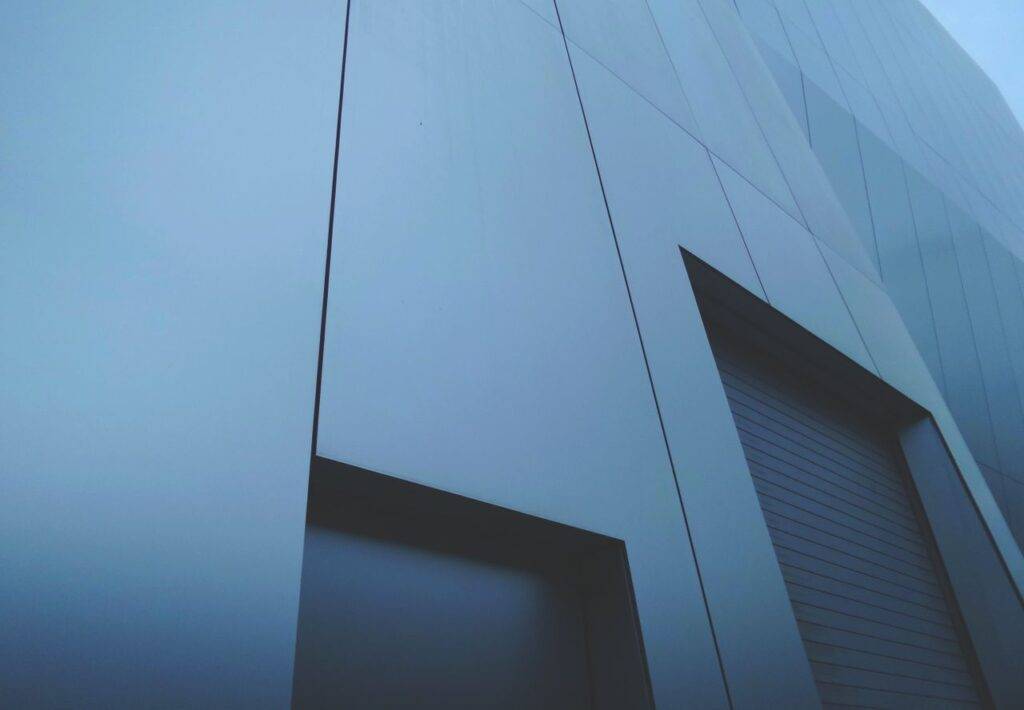
Something remarkable is happening in cities around the world. Urban landscapes are being reimagined through the innovative use of custom architectural metalwork, and the results are nothing short of spectacular. This isn’t just about slapping some steel on a building and calling it modern; we’re witnessing a genuine renaissance where metal design is fundamentally reshaping how architects, developers, and city planners think about building aesthetics and functionality.
Durability Meets Design Innovation
There’s a compelling reason why custom architectural metalwork has captured the attention of architects worldwide: it delivers an exceptional combination of durability and design versatility that’s hard to beat. Think about materials like stainless steel, aluminum, bronze, and weathering steel. These metals offer remarkable longevity, often lasting decades with minimal maintenance while retaining both their structural integrity and visual appeal. Modern finishing techniques have opened up an entirely new world of possibilities. Through powder coating, anodizing, and patination, designers can achieve virtually any color, texture, or surface quality imaginable. Want a warm bronze patina? Done. Need a sleek, mirror-like finish? No problem.
Sustainability and Environmental Responsibility
The environmental advantages of custom architectural metalwork couldn’t align better with the sustainability goals driving modern urban planning. Most architectural metals are highly recyclable; steel and aluminum maintain their properties through multiple recycling cycles without any degradation. This circular economy approach significantly reduces the carbon footprint associated with building construction and renovation projects, which is becoming increasingly important as cities work toward ambitious environmental targets.
Metal fabrication processes themselves have evolved considerably. Many manufacturers have implemented energy-saving technologies and waste-reduction protocols that minimize environmental impact during production. The longevity of metal components means fewer resources are consumed over time for repairs and replacements, contributing substantially to the overall sustainability profile of buildings. It’s not just about using green materials; it’s about creating systems that remain green throughout their entire lifecycle.
Creating Iconic Urban Landmarks
Custom metalwork has become instrumental in creating those iconic structures that define modern cities and attract global attention. From sculptural building facades to monumental public art installations, metal’s formability allows architects to realize bold visions that become symbols of urban identity, structures that people travel across the world to see in person.
When developing complex architectural projects, professionals who need to translate ambitious designs into reality often partner with an architectural metal fabrication company that possesses the technical expertise and precision equipment necessary for executing intricate metalwork specifications. The ability to create unique, non-repeatable forms through custom fabrication means each project can express its own distinct character rather than relying on standardized, mass-produced components.
Advanced Fabrication Technologies Enabling Complexity
The transformation of urban design through metalwork has been accelerated by revolutionary advances in fabrication technology and digital design tools. We’re not just talking about incremental improvements; these are game-changing capabilities. Computer-aided design software combined with CNC machinery, laser cutting, water jet cutting, and robotic welding enables the precise manufacture of incredibly complex geometries that would have been prohibitively expensive or simply impossible just decades ago.
Building Information Modeling (BIM) has changed the entire workflow. Designers can now visualize and test metal components within complete building systems before fabrication even begins, reducing errors and ensuring seamless integration. Three-dimensional modeling and digital fabrication create direct pathways from designer concept to finished product, eliminating traditional limitations and expanding creative possibilities in ways that continue to surprise even veteran architects.
Economic Value and Property Enhancement
Beyond aesthetic and functional benefits, custom architectural metalwork delivers measurable economic value that appeals to developers, investors, and property owners. Buildings featuring distinctive metal design elements consistently command premium rental rates and sale prices compared to conventional structures in the same markets, and the premium can be substantial. The visual impact and perceived quality associated with custom metalwork enhance brand value for corporate headquarters and commercial properties, making them significantly more attractive to prestigious tenants. Well-executed metal features also contribute to faster lease-up periods and higher occupancy rates, improving investment returns in ways that spreadsheets and pro formas can clearly demonstrate.
Conclusion
Custom architectural metalwork represents far more than a passing design trend; it embodies a fundamental evolution in how we conceive and construct urban environments. The convergence of material durability, design flexibility, environmental sustainability, advanced fabrication capabilities, and economic value creates a compelling case for metal’s central role in contemporary architecture. These aren’t separate benefits that happen to coincide; they’re interconnected advantages that reinforce each other.