
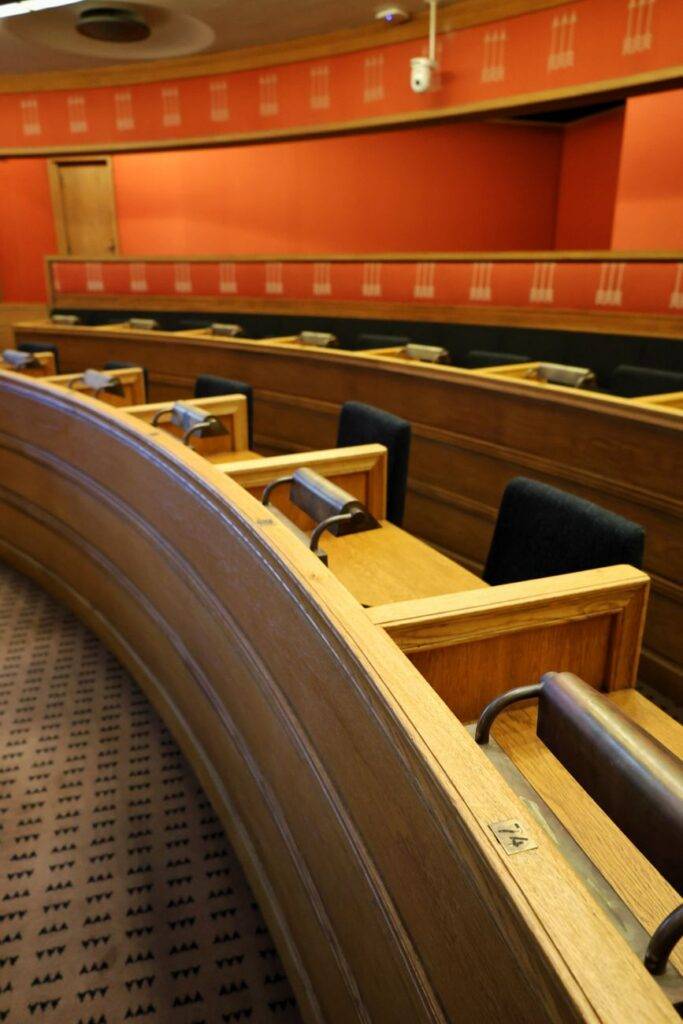
In Texas, where jury trials remain a defining part of the civil and criminal justice system, the outcome of a case often begins to take shape long before opening statements are delivered. Courtrooms across the state handle disputes involving traffic collisions, workplace injuries, commercial disagreements, and serious criminal allegations, and in each setting, the jury ultimately decides how facts should be interpreted.
This makes the composition of that jury especially important because jurors bring their own life experiences, assumptions, and instincts into the deliberation room. Subtle differences in perspective can influence how evidence is weighed, which is why careful jury selection becomes a strategic step rather than a procedural formality. At firms like Tad Nelson & Associates, this stage is treated as a critical part of shaping how a trial will unfold in practice.
First Impressions
Voir dire gives lawyers a brief look at how prospective jurors process authority, doubt, and accountability. Trial teams often treat this stage as a major turning point because panel makeup can shape witness reception long before exhibits appear. One person may trust an officer without hesitation. Another may question confident testimony if details feel polished, selective, or incomplete.
Bias Starts Early
No juror enters court as a blank slate. Work history, family pressure, neighborhood culture, and prior contact with police can all influence judgment. Some leanings are obvious. Others stay hidden behind polite answers. Skilled questioning helps expose those views before they affect deliberations. Even small signals, such as a pause, a tightened jaw, or guarded phrasing, may reveal strong feelings beneath calm language.
Why Questions Matter
Good questions invite candor rather than rehearsed neutrality. Broad prompts usually produce safe replies that tell little about actual judgment. Focused inquiry can uncover quick assumptions about guilt, self-defense, eyewitness memory, or punishment. Lawyers also listen to how a person explains uncertainty. Someone who struggles with gray areas may resist the burden of proof. That tendency can matter more than any single verbal response.
Challenges Shape the Panel
Judges may excuse jurors for cause when bias is clear or legal instructions cannot be followed. Each side also receives a limited number of peremptory strikes. Those removals carry weight because the pool is finite. One seat can alter the whole room. A single forceful personality may steady discussion or push it off course once the door closes and private debate begins.
Group Dynamics Matter
Deliberation is a group exercise, not a series of isolated opinions. Some jurors organize discussions, test weak claims, and slow emotional swings. Others prefer agreement over confrontation, even when doubts remain. Selection tries to account for that human pattern. Lawyers study temperament as much as viewpoint because influence travels through tone, confidence, and persistence, not just through stated beliefs during questioning.
Facts Need the Right Audience
Evidence does not land evenly with every panel. Phone records, injury diagrams, financial logs, or laboratory findings demand concentration and patience. Jurors who feel overwhelmed may fall back on instinct instead of analysis. That shift can change the entire case. When proof is technical, lawyers look for people willing to sort details carefully, compare competing explanations, and reserve judgment until the record feels complete.
Local Experience Counts
Community background can affect how conduct is judged in court. Residents from different counties may view police discretion, bar fights, family conflict, or self-protection through very different lenses. Local norms influence what seems reasonable, reckless, or suspicious. Trial lawyers pay attention to those patterns during selection. Place matters because ordinary behavior in one setting may look troubling in another setting.
Credibility Gets Filtered
Witness credibility is filtered through personal expectation. One juror may read nervous speech as fear. Another may treat the same behavior as a sign of dishonesty. Similar differences appear with memory gaps, flat affect, or visible anger. Selection matters because those reactions are rarely neutral. If a panel forms early distrust of a defendant, an officer, or an expert, later clarification may carry limited weight.
Strategy Begins Before Trial
Strong trial preparation starts well before opening statements. Lawyers must identify which juror traits align with the case theory and which pose a risk. That work requires planning, attentive listening, and fast judgment in public. Evidence remains central, of course, yet audience response still matters. A thoughtful panel can keep the discussion grounded in proof, while a poor fit may amplify distraction, suspicion, or emotional reactions.
Conclusion
Jury selection influences outcomes because verdicts come from people applying the law to disputed facts. Those people hear evidence through personal experience, social instinct, and private assumptions. Voir dire offers a brief opportunity to identify potential bias, test attitudes, and seat a balanced panel. That process cannot guarantee any result. It can, however, shape how every witness, exhibit, and argument is received from the first day onward.