
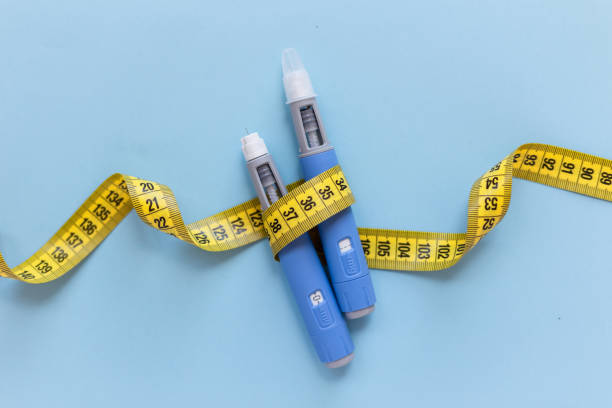
With obesity rates continuing to rise and medical weight management becoming more accessible, many people are asking the same question in 2026: Is semaglutide for weight loss really worth it? As one of the most talked-about prescription treatments for chronic weight management, semaglutide has helped many individuals achieve significant weight loss when combined with healthy lifestyle changes.
However, like any medical treatment, it isn’t the right choice for everyone. Understanding how it works, its benefits, potential drawbacks, and who may benefit most can help you make an informed decision.
What Is Semaglutide?
Semaglutide for weight loss is a prescription medication that mimics glucagon-like peptide-1 (GLP-1), a hormone naturally produced in the body. This hormone helps regulate appetite, food intake, and blood sugar levels.
Originally developed to help manage type 2 diabetes, semaglutide is now also prescribed for adults with obesity or overweight individuals who have weight-related medical conditions. It is designed to support long-term weight management, not provide a quick fix.
How Does Semaglutide Help You Lose Weight?
One reason semaglutide for weight loss has gained popularity is that it works with your body’s natural systems instead of relying on stimulant-based appetite suppressants.
The medication helps by:
- Reducing hunger signals sent to the brain
- Increasing feelings of fullness after meals
- Slowing stomach emptying so you stay satisfied longer
- Helping reduce overall calorie intake
- Supporting healthier eating habits over time
These combined effects make it easier for many patients to maintain a calorie deficit without feeling constantly hungry.
What Are the Benefits of Semaglutide in 2026?
For eligible patients, semaglutide for weight loss offers several advantages beyond simply lowering the number on the scale.
Meaningful Weight Loss
Clinical studies have shown that many people experience substantial weight loss when semaglutide is paired with a reduced-calorie diet and regular physical activity. Individual results vary, but many patients see steady progress over several months.
Improved Metabolic Health
Weight loss achieved through semaglutide may also contribute to improvements in:
- Blood sugar control
- Blood pressure
- Cholesterol levels
- Energy levels
- Overall mobility
These improvements can lower the risk of obesity-related health complications.
Better Appetite Control
Many patients report fewer cravings and less emotional eating while taking semaglutide. Feeling satisfied after smaller meals can make healthy eating habits easier to maintain.
Is Semaglutide Safe?
For most eligible patients, semaglutide for weight loss has an established safety profile when prescribed and monitored by a qualified healthcare provider. Like all prescription medications, however, it may cause side effects.
Common side effects include:
- Nausea
- Vomiting
- Diarrhea
- Constipation
- Mild stomach discomfort
- Reduced appetite
These symptoms are often temporary and may improve as your body adjusts to treatment. Your provider will usually increase the dosage gradually to help minimize side effects.
What Are the Downsides?
Although semaglutide can be highly effective, it’s important to understand its limitations.
Cost
Without insurance coverage, semaglutide can be expensive. Monthly costs vary depending on the medication, dosage, pharmacy, and insurance benefits.
Ongoing Commitment
Semaglutide works best as part of a long-term weight management strategy. Some patients may regain weight after stopping treatment if healthy lifestyle habits are not maintained.
Lifestyle Changes Are Still Essential
Even though semaglutide reduces hunger, it isn’t a substitute for healthy eating and regular exercise. Patients who combine medication with lasting lifestyle changes typically achieve the best long-term outcomes.
Who Is a Good Candidate?
Healthcare providers generally recommend semaglutide for weight loss for adults who:
- Have a BMI of 30 or higher.
- Have a BMI of 27 or higher with obesity-related health conditions.
- Have struggled to lose weight through diet and exercise alone.
- Are committed to improving their long-term health through lifestyle changes.
A complete medical evaluation helps determine whether semaglutide is an appropriate treatment option.
Is It Worth the Cost?
Whether semaglutide for weight loss is worth the investment depends on your individual health goals and circumstances.
For many people, losing weight can improve quality of life by reducing the risk of chronic conditions such as type 2 diabetes, heart disease, sleep apnea, and joint problems. If the medication helps you achieve sustainable weight loss and improve your overall health, the long-term benefits may outweigh the financial cost.
Before starting treatment, check your insurance coverage and ask your healthcare provider about patient assistance programs or other cost-saving options.
Tips for Getting the Best Results
To maximize the effectiveness of semaglutide:
- Follow your prescribed dosing schedule.
- Eat balanced meals with plenty of lean protein and vegetables.
- Stay physically active throughout the week.
- Drink enough water each day.
- Prioritize quality sleep.
- Attend regular follow-up appointments with your healthcare provider.
These healthy habits support long-term success and help maintain weight loss.
Final Thoughts
So, is semaglutide for weight loss worth it in 2026? For many eligible adults, the answer is yes. When prescribed by a qualified healthcare provider and combined with healthy lifestyle changes, semaglutide can be an effective tool for achieving meaningful, sustainable weight loss.
However, it is not a miracle solution or a replacement for long-term healthy habits. Success depends on medical supervision, realistic expectations, and a commitment to lasting lifestyle improvements. If you’re considering semaglutide, speak with your healthcare provider to determine whether it’s the right choice for your health, weight-loss goals, and budget.