
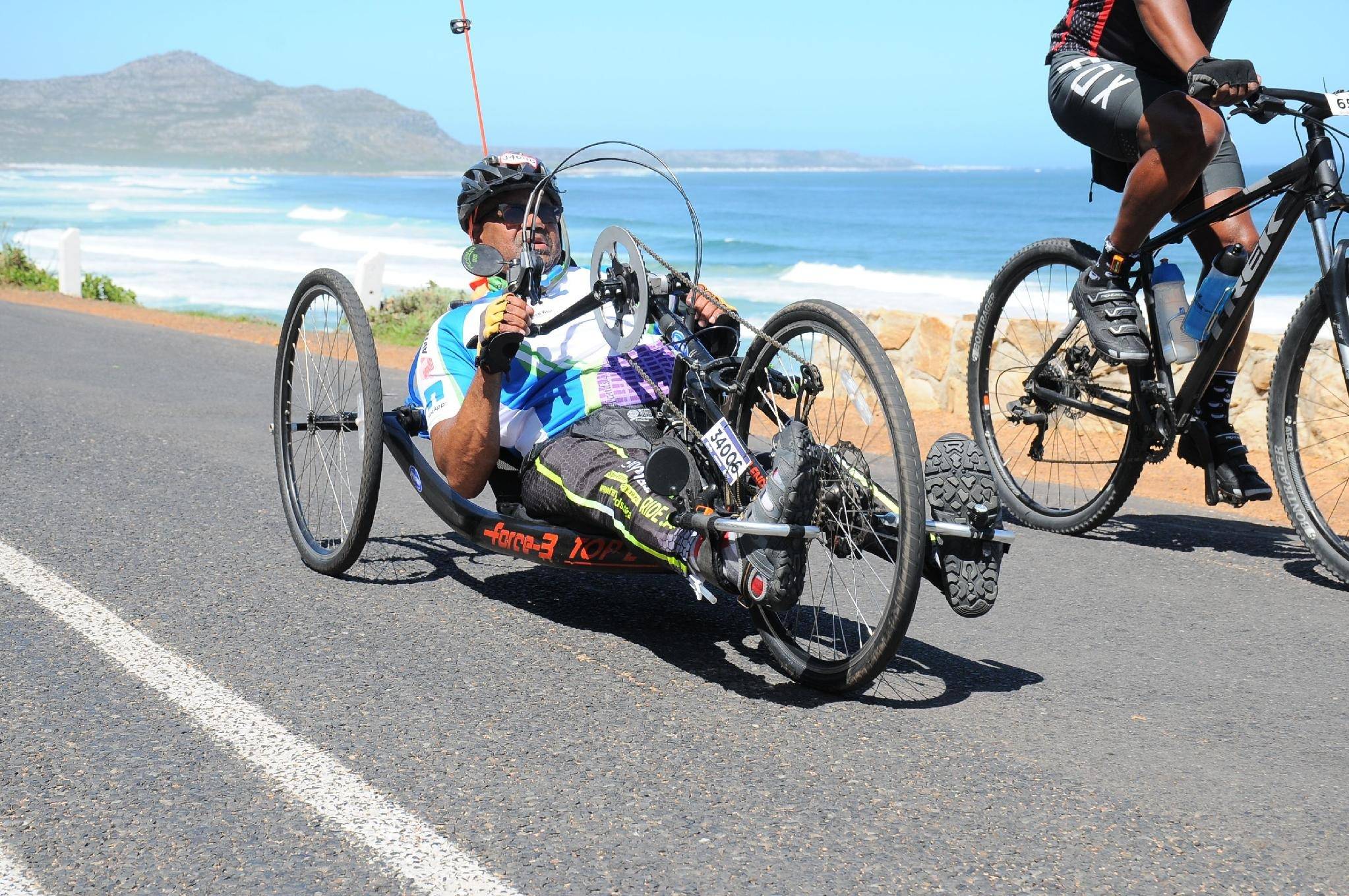
Staying physically active is important for people of all ages, but for individuals with mobility limitations or developmental challenges, traditional forms of exercise can be difficult to access. Finding enjoyable and inclusive recreational activities is essential for supporting physical health, social engagement, and overall well-being. Adaptive cycling has emerged as one of the most effective ways to help individuals with special needs participate in physical activity while building confidence and independence.
Designed to accommodate a wide range of abilities, adaptive bikes provide opportunities for exercise, exploration, and community involvement. They empower riders to enjoy the benefits of cycling in a safe and comfortable way, encouraging healthier and more active lifestyles.
Understanding Adaptive Bikes
Adaptive bikes are specially designed cycles that support individuals who may have difficulty riding a conventional bicycle. They often include modifications such as three-wheel configurations, extra stability features, supportive seating, hand pedals, and customized controls.
These bikes can accommodate individuals with conditions such as cerebral palsy, Down syndrome, autism spectrum disorder, muscular dystrophy, spina bifida, and other physical or developmental challenges. Because they are tailored to the rider’s specific needs, adaptive bikes make cycling accessible to many people who might otherwise be unable to participate.
By removing barriers to cycling, adaptive bikes open the door to meaningful physical activity and greater independence.
Promoting Regular Physical Exercise
Exercise plays a critical role in maintaining overall health. Regular physical activity can support cardiovascular fitness, muscle strength, flexibility, and endurance. However, individuals with special needs may face challenges finding activities that are both accessible and enjoyable.
Using new adaptive bikes for special needs allows riders to engage in low-impact exercise while having fun. Cycling encourages movement of the legs, arms, and core muscles, helping improve physical conditioning and coordination over time.
Because riding is enjoyable for many users, they are often more motivated to participate consistently, making it easier to establish healthy exercise habits that can last for years.
Building Confidence and Independence
Learning to ride an adaptive bike can be a highly empowering experience. Many individuals gain a sense of accomplishment as they develop new skills and become more capable of navigating their surroundings independently.
The ability to move through parks, neighborhoods, trails, and community spaces without relying entirely on assistance can significantly boost self-confidence. Riders often experience a greater sense of freedom and control over their activities.
This increased independence can positively impact other areas of life, encouraging individuals to explore new opportunities, participate in community events, and engage more actively in everyday experiences.
Supporting Social Interaction
Physical activity is often more enjoyable when shared with others. Adaptive cycling creates opportunities for individuals with special needs to participate in family outings, group rides, recreational programs, and community events.
These shared experiences help strengthen social connections and reduce feelings of isolation. Riders can engage with peers, siblings, caregivers, and friends while participating in an activity that promotes inclusion and enjoyment.
For children, adaptive biking can be especially valuable because it allows them to join peers in a common recreational activity, helping build friendships and encouraging positive social development.
Encouraging Outdoor Exploration
Spending time outdoors offers numerous mental and emotional benefits. Fresh air, natural surroundings, and exposure to new environments can help reduce stress and improve mood.
Adaptive bikes encourage riders to leave indoor settings and explore parks, sidewalks, trails, and local communities. This exposure to different environments provides valuable sensory experiences and opportunities for learning and discovery.
Outdoor recreation also helps break up sedentary routines, making physical activity a more natural and enjoyable part of daily life.
Improving Motor Skills and Coordination
Many individuals with special needs benefit from activities that promote motor skill development. Adaptive cycling requires riders to coordinate movement, maintain balance with support systems, and navigate their surroundings.
Over time, regular use of an adaptive bike may help improve coordination, body awareness, muscle control, and overall mobility. These improvements can contribute to greater confidence when participating in other physical activities and daily tasks.
Because adaptive bikes can be customized to each rider’s abilities, users can develop skills at a pace that feels comfortable and achievable.
Supporting Long-Term Wellness
An active lifestyle can contribute to better long-term health outcomes. Regular physical activity may help manage weight, support cardiovascular health, improve endurance, and enhance overall quality of life.
Adaptive bikes provide an enjoyable way for individuals with special needs to remain active throughout childhood and adulthood. The combination of exercise, recreation, social interaction, and independence can create lasting positive effects that extend beyond physical fitness alone.
For families and caregivers, adaptive cycling offers a practical tool for encouraging healthy habits while promoting meaningful participation in community life.
Conclusion
Adaptive bikes offer far more than a means of transportation. They provide individuals with special needs the opportunity to stay active, build confidence, improve physical fitness, and participate more fully in their communities. By making cycling accessible and enjoyable, these specialized bikes encourage healthy habits that support both physical and emotional well-being.
As more families, schools, and recreational programs recognize the benefits of adaptive cycling, these innovative solutions continue to help individuals lead more active, independent, and fulfilling lives.