
Whether you’re a seasoned professional running a busy joinery shop in Melbourne or a passionate hobbyist crafting furniture in your Adelaide garage, the quality of your woodworking machines plays a massive role in your results. It’s tempting to cut corners when purchasing equipment; after all, budget constraints are real. But here’s the thing: investing in premium machinery isn’t just about prestige. It’s about precision, safety, productivity, and ultimately, your bottom line.
In this post, we’ll explore why quality woodworking machines are worth every dollar. You’ll discover how they can save you money over time, what features to look for when shopping, and which machines are essential for a professional setup. By the end, you’ll have a clear picture of how smart equipment choices can elevate your craft and your business.
What Are the Benefits of Using High-Quality Woodworking Machines?
Improved Precision and Consistency
Nothing beats the feeling of seeing perfectly aligned joints and smooth, accurate cuts across multiple pieces. Quality machines deliver this consistency time after time. Their superior engineering means tighter tolerances and more reliable performance.
Entry-level machines often struggle with maintaining accuracy over extended use. Components wear quickly, alignments shift, and suddenly your cuts aren’t quite square anymore. Premium equipment, on the other hand, features robust construction that stays true throughout its lifespan.
For professionals producing multiple units of the same item, this consistency is non-negotiable. Your clients expect identical quality across every piece, and quality machinery makes sure that happens.
Better Safety Features and Reduced Workplace Accidents
Safety should never be an afterthought. Premium woodworking machines come equipped with advanced safety features like blade guards, emergency stops, and anti-kickback mechanisms that are properly engineered rather than tacked on as an afterthought.
These features protect you and your staff from serious injuries. In Australia, workplace safety regulations are strict, and investing in quality equipment helps you stay compliant while keeping everyone safe.
How Do Quality Woodworking Machines Save Money in the Long Run?
Lower Maintenance and Repair Costs
Cheap machines break down. It’s as simple as that. When components fail, you’re paying for parts, labour, and losing valuable production time. Quality equipment uses durable materials and superior construction that withstands heavy use.
You’ll find yourself calling out technicians far less frequently. When maintenance is needed, it’s usually routine rather than emergency repairs. This predictability makes budgeting much easier.
Reduced Material Waste
Quality machinery produces cleaner cuts with less tearout and fewer mistakes. This directly translates to less wasted timber. Given the rising cost of quality hardwoods in Australia, this saving adds up quickly.
Precise measurements and cuts mean you can work closer to your actual requirements without building in excessive margins for error. Over a year of projects, this reduction in waste can represent thousands of dollars saved.
What Should I Look for When Buying Woodworking Machines?
Build Quality and Durability
Cast iron tables, precision-ground surfaces, and solid steel frames are hallmarks of quality construction. These materials dampen vibration, maintain flatness, and resist wear far better than cheaper alternatives.
Check the bearings, gears, and adjustment mechanisms. Smooth operation and solid construction in these areas indicate a machine built to last. Don’t be swayed by flashy features if the fundamental build quality isn’t there.
Brand Reputation and After-Sales Support
A reputable brand stands behind its products. Look for manufacturers with strong Australian service networks, readily available spare parts, and responsive customer support.
Read reviews from other Australian woodworkers. Their experiences will give you valuable insights into real-world performance and what happens when things go wrong.
Compatibility with Your Workshop Needs
Consider your space, power supply, and the type of work you do. A massive industrial panel saw makes no sense in a small home workshop, regardless of its quality.
Think about dust extraction requirements, noise levels, and how each machine fits into your overall workflow. The best machine is one that matches your specific situation perfectly.
Are Expensive Woodworking Machines Worth the Investment?
Comparing Entry-Level vs Professional-Grade Equipment
Professional-grade equipment typically costs three to five times more than entry-level alternatives. But the performance difference is substantial. You’re getting precision that’s measured in hundredths of millimetres rather than just “close enough.”
Entry-level machines can certainly produce good work in skilled hands. However, they require more adjustment, more patience, and more workarounds to achieve similar results. For occasional hobbyists, this trade-off might be acceptable.
Return on Investment for Small Businesses and Hobbyists
For small businesses, quality machinery often pays for itself within a few years through increased productivity and reduced problems. Calculate how much time you waste on adjustments, rework, and repairs with cheaper equipment.
Serious hobbyists also benefit from the joy of working with responsive, accurate tools. There’s something deeply satisfying about equipment that does exactly what you ask of it.
Which Woodworking Machines Are Essential for a Professional Workshop?
Table Saws and Panel Saws
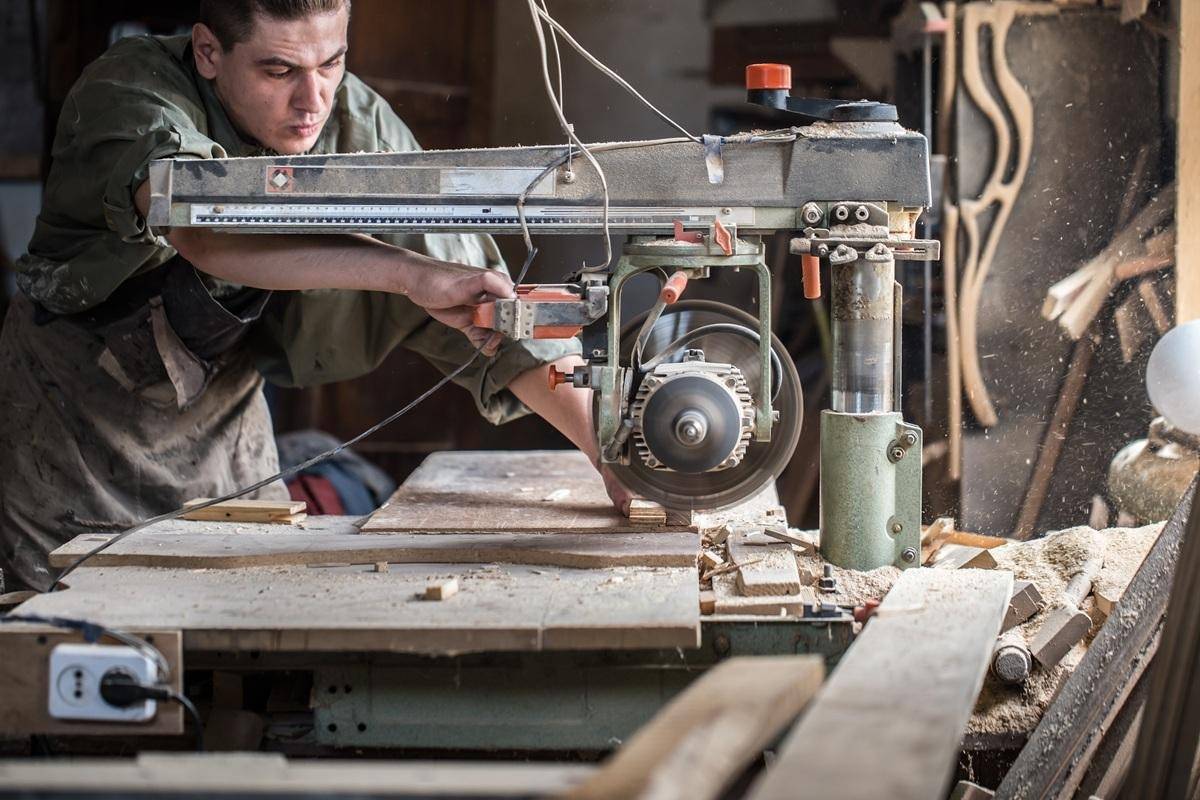
A quality table saw is the heart of most workshops. It handles ripping, crosscutting, and countless other operations. For professional environments, a sliding table saw or panel saw offers superior capacity and precision.
Look for robust fences, smooth-running slides, and powerful motors that don’t bog down in thick hardwoods.
Planers and Thicknessers
These machines transform rough-sawn timber into smooth, dimensioned boards. A combination planer-thicknesser saves space while delivering excellent results.
Quality machines feature helical cutterheads that produce superior finishes and run more quietly than traditional straight-knife systems.
How Long Do Quality Woodworking Machines Last?
Lifespan Expectations for Premium Equipment
Quality woodworking machines regularly serve for twenty to thirty years or more with proper care. Many workshops proudly run vintage equipment that still performs beautifully.
This longevity makes the initial investment much more palatable when you spread the cost over decades of reliable service.
Maintenance Tips to Extend Machine Life
Regular cleaning, proper lubrication, and timely replacement of wear items keep machines running smoothly. Follow manufacturer recommendations and don’t skip routine maintenance
Keep cutting tools sharp, check alignments periodically, and address small issues before they become major problems. A little attention goes a long way.
Conclusion
Throughout this exploration, we’ve seen how quality woodworking machines deliver benefits far beyond their initial cost. From improved safety and precision to reduced waste and maintenance expenses, premium equipment simply makes sense for serious woodworkers.
The decision ultimately comes down to your specific needs and circumstances. For professionals, quality machinery is essential for competing effectively and maintaining your reputation. For dedicated hobbyists, it transforms the workshop experience from frustrating to fulfilling.