

Real estate investment is often about timing. Established cities may offer stability, but emerging destinations can provide investors with an opportunity to participate in an area’s growth at an earlier stage. In Gujarat, Dholera SIR has increasingly attracted attention because of its planned development, infrastructure focus, and industrial ambitions.
For investors exploring opportunities beyond conventional residential property, land investment in Dholera SIR is becoming a worthwhile option to research. Land can serve different purposes depending on its location and permitted use, ranging from future residential development to commercial or industrial applications.
However, investing in land should never be based only on the expectation that prices will rise. A well-informed decision requires an understanding of the location, infrastructure, development plans, legal documentation, land-use regulations, and the investor’s own financial objectives.
Understanding Dholera SIR
Dholera Special Investment Region, commonly known as Dholera SIR, is being developed as a planned industrial and urban destination in Gujarat. Unlike an organically developed city where growth happens gradually and independently, a planned development region is designed around specific infrastructure and development objectives.
This planned approach is one of the factors that has brought Dholera into discussions among businesses, investors and real estate buyers.
The broader vision includes industrial development supported by infrastructure, connectivity and urban facilities. As development progresses, surrounding areas can also attract attention from people looking for residential, commercial and land-based investment opportunities.
Why Is Land Investment in Dholera SIR Getting Attention?
One of the primary reasons investors consider land is flexibility. A completed property comes with a predefined structure, while land can potentially provide different future possibilities depending on zoning and applicable regulations.
For example, an investor may purchase land with a long-term objective rather than an immediate construction plan. Another buyer may be interested in developing a residential property in the future, while a business may look for land suitable for commercial or industrial requirements.
The important point is that land investment in Dholera SIR should be evaluated according to the intended use of the property.
Infrastructure and Connectivity Matter
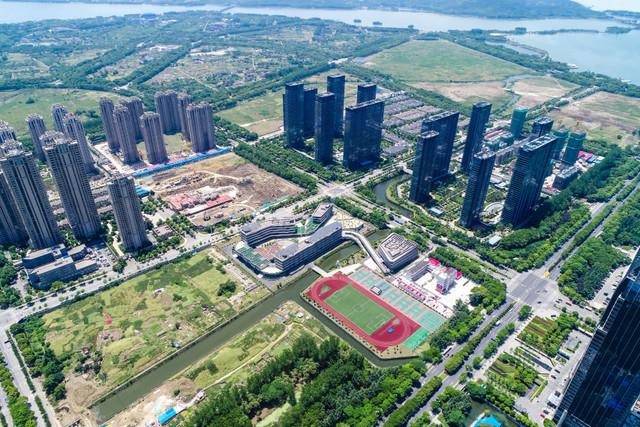
Infrastructure is one of the most important factors in any emerging real estate market. Roads, transportation networks, utilities, and connectivity can influence how attractive a location becomes for residents and businesses.
For a land investor, the surrounding infrastructure can be just as important as the plot itself.
A property located in an accessible area with planned or existing infrastructure may have different long-term prospects from a similar-sized plot in a poorly connected location.
This is why investors should study not just the property’s current surroundings but also the development context of the wider Dholera region.
Investment Requires a Long-Term Perspective
Emerging real estate destinations generally require patience. Unlike established markets where transactions and rental activity may already be visible, developing regions can take time to mature.
Investors considering Dholera should therefore determine whether their financial position allows them to hold land for an extended period.
A long-term investment approach can also encourage better decision-making. Instead of focusing entirely on immediate returns, investors can evaluate factors such as infrastructure development, surrounding projects, future accessibility and potential demand.
What Should You Check Before Buying Land?
Buying land requires careful due diligence. Before finalizing any property, investors should verify:
- Ownership and title documents
- Applicable land-use classification
- Development permissions
- Road access
- Plot boundaries and measurements
- Infrastructure availability
- Applicable government approvals
- Registration and transaction requirements
- Seller or developer credentials
- Any existing legal or financial encumbrances
Professional legal and property advice can be valuable during this process.
Location Can Make a Significant Difference
Not every property within a developing region offers the same opportunity. Two plots in the same broad market can have very different prospects because of their location.
Accessibility, surrounding development, road connectivity, proximity to planned infrastructure, and permitted usage can all influence the property’s suitability.
Therefore, buyers should avoid making decisions based solely on the statement that a property is “in Dholera.”
The exact location matters.
Land vs. Built Property
Investors often compare land with apartments, houses and commercial buildings. Each has its own characteristics.
A completed property can potentially generate rental income, while undeveloped land generally does not provide regular rental income unless it is being used for an appropriate purpose.
On the other hand, land may provide greater flexibility for future development. The right choice depends on the investor’s objective, available capital, expected holding period and risk tolerance.
Is Dholera Suitable for Every Investor?
Not necessarily.
Land investment is not necessarily suitable for someone seeking quick returns or immediate rental income. It may be more relevant to buyers who understand the longer-term nature of emerging real estate markets.
Investors should also avoid committing money they may need in the short term.
Dholera SIR represents an evolving real estate and infrastructure story in Gujarat. Its planned development and industrial focus have increased interest in different categories of property.
For buyers considering land investment in Dholera SIR, the most important step is not simply finding a plot—it is finding the right property for the right purpose after conducting proper due diligence.
A thoughtful investment decision combines location research, documentation checks, financial planning, and a realistic understanding of the investment horizon.