
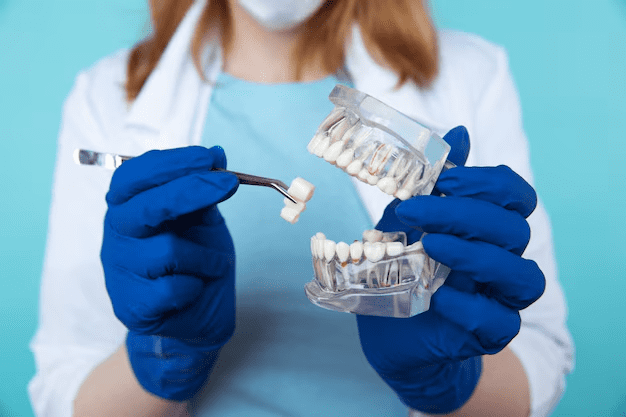
The gap between considering cosmetic dental work and actually beginning it is often wider than it needs to be. Patients spend months or years thinking about it, looking at before-and-after images, and wondering whether the investment is justified — without ever getting the clear, practical information they need to make a confident decision.
This guide fills that gap. Here’s what the cosmetic dental process actually involves, step by step.
Step One: An Honest Consultation
The consultation is where everything begins — and where the quality of a cosmetic dental practice is most clearly revealed. A thorough consultation starts not with procedure recommendations but with questions: What specifically bothers you about your smile? What results would make you feel this investment was worthwhile? Do you have reference images that capture what you’re imagining?
From that conversation, a skilled cosmetic dentist maps the patient’s goals onto what’s clinically achievable and outlines which procedures are most appropriate. The best consultations also include a comprehensive oral health assessment before any cosmetic discussion — because cosmetic work requires a healthy foundation, and problems that need addressing first must be identified up front.
A consultation that skips the questions and jumps straight to a treatment plan is not serving the patient well.
Step Two: Understanding the Procedure Options
Cosmetic dentistry encompasses a range of procedures with different applications, timelines, and cost profiles. A clear understanding of the options is essential before committing to any of them.
Teeth whitening is the most accessible entry point — professional in-office treatment produces results in a single appointment that over-the-counter products can’t replicate. It’s appropriate for extrinsic staining but has limited effectiveness on deep or medication-related discoloration.
Porcelain veneers are the most transformative single cosmetic procedure. Thin ceramic shells bonded to the front surfaces of teeth can simultaneously address color, shape, size, and minor spacing issues. They require minimal and irreversible tooth preparation, and their results — when placed by a skilled clinician — look indistinguishable from natural teeth.
Composite bonding addresses similar concerns to veneers with a lower cost and without tooth preparation, but with shorter longevity and more maintenance requirements. It’s an excellent option for targeted corrections that don’t warrant the investment in veneers.
Gum contouring reshapes an uneven or excessive gum line to improve smile proportions. It’s often combined with other cosmetic procedures when gum architecture is part of what bothers a patient about their smile.
Smile makeovers combine multiple procedures into a comprehensive treatment plan designed to address the smile as a whole rather than individual elements in isolation. They require detailed planning and proper sequencing.
Step Three: Digital Smile Design
Before any irreversible work begins, advanced cosmetic practices use digital imaging technology to preview proposed changes. Digital smile design allows patients to see what their smile would look like with different veneer shapes, different gum line positions, or different tooth proportions — before committing.
This technology closes the gap between what a patient imagines and what a dentist proposes. It catches misalignments in expectation early, produces a more collaborative treatment process, and significantly increases patient satisfaction with the final result.
Not every practice uses digital smile design tools. Those that do consistently deliver more predictable outcomes.
Step Four: Health Preparation
Once the treatment plan is agreed upon, any underlying health issues are addressed before cosmetic work begins. Decay is treated. Gum disease is managed and stabilized. Any needed orthodontic correction is sequenced appropriately. Whitening is completed before any color-matched restorations are placed.
This sequencing exists because cosmetic restorations placed on an unhealthy foundation fail prematurely — and because the color of completed restorations can’t be changed after placement, making whitening before veneer or crown placement essential when both are part of the plan.
Step Five: Treatment and Follow-Through
Cosmetic treatment itself unfolds over a series of appointments — the number depending on the procedures involved. Veneers require two to three visits. A comprehensive smile makeover may involve multiple phases over several months.
Post-treatment care is straightforward: standard oral hygiene, regular professional cleanings, and in many cases a nightguard if the patient grinds. The investment in cosmetic work is protected by the same habits that protect natural teeth.
Patients exploring fort worth cosmetic dentistry at Smile Muse Spa will find a practice structured around exactly this kind of thorough, sequenced approach — beginning with genuine consultation and ending with results that are designed specifically around each patient’s goals.
FAQs
Q: How do I know if cosmetic dentistry is right for me?
If there’s something specific about your smile that you’ve been consistently self-conscious about — color, shape, a gap, chips, asymmetry — a consultation is worth having. The worst outcome of a consultation is more information; the best is a clear path toward a change you’ve wanted for years.
Q: Does cosmetic dental work look artificial?
When performed by a skilled clinician using quality materials, no. The best cosmetic dentistry is indistinguishable from healthy natural teeth. Artificial-looking results typically reflect either poor material choices or inadequate attention to proportion and shade matching.
Q: How long do cosmetic results last?
Porcelain veneers: ten to fifteen years or more with proper care. Bonding: three to seven years. Whitening: six months to two years depending on lifestyle habits. All are extended by good oral hygiene and consistent professional care.
Q: Is financing available for cosmetic dental treatment?
Most cosmetic dental practices offer third-party financing options. Ask about payment plans during your consultation — most providers can outline options that fit a range of budgets.