
Ever wondered why some farm sheds in Melbourne seem to last decades while others start showing wear after just a few years? What’s the secret to keeping your agricultural buildings in top condition through scorching summers and unpredictable Victorian winters? And how can you spot potential problems before they turn into costly repairs?
If you own farm sheds in Melbourne, you already know they’re more than just storage spaces. They’re essential infrastructure that protects your equipment, livestock, and livelihood from the elements. Yet many property owners overlook regular maintenance until something goes wrong. By then, a simple fix has often snowballed into a major headache.
In this guide, we’ll explore advanced maintenance techniques specifically designed for Melbourne’s unique climate conditions. You’ll discover how to conduct thorough inspections, tackle common issues like rust and condensation, and create a long-term plan that keeps your sheds standing strong for years to come. Whether you’re dealing with Colorbond roofing, sliding doors, or pest problems, we’ve got practical solutions that actually work.
Understanding Your Farm Shed Structure
Common Materials Used in Australian Farm Sheds
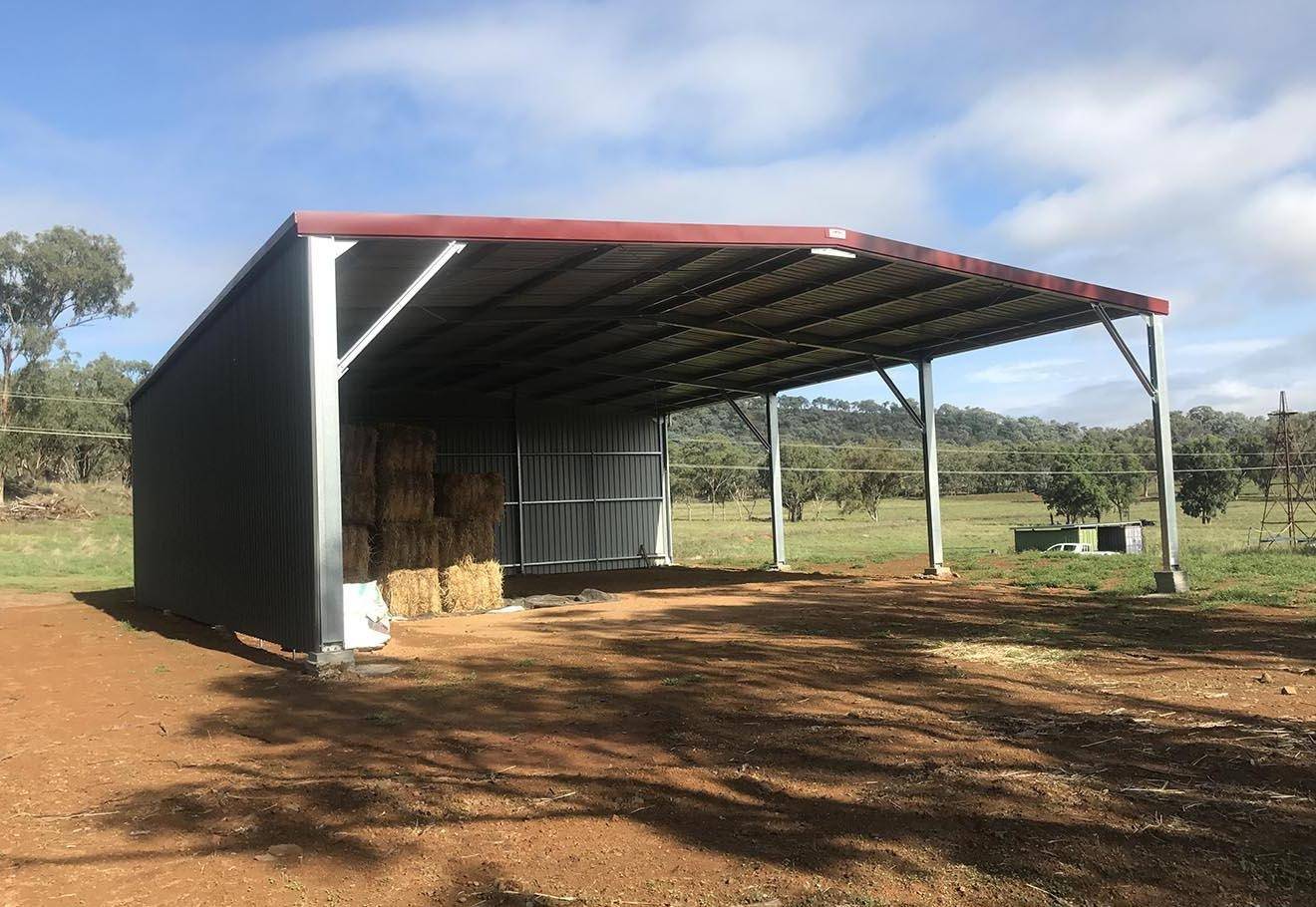
Most farm sheds across Melbourne and Victoria are built using steel frames with Colorbond cladding. This combination offers excellent durability and weather resistance, making it ideal for Australian conditions. You’ll also find galvanised steel components, concrete slabs, and sometimes timber elements in older structures.
Understanding what your shed is made from is the first step to maintaining it properly. Steel requires different care than timber, and knowing your materials helps you choose the right products and techniques. Take a walk around your shed and make a note of all the different materials you spot.
Identifying Vulnerable Areas Before Problems Start
Some parts of your shed are more prone to damage than others. Pay close attention to joints and connections where different materials meet. Roof edges, doorframes, and areas near the ground level often deteriorate first because they’re exposed to moisture and physical stress.
Look for spots where water might pool or where ventilation is poor. These are prime candidates for rust, mould, and structural weakening. A quick visual inspection every few months can catch issues early and save you significant money down the track.
How Often Should You Inspect Your Farm Shed?
Seasonal Inspection Checklist for Victorian Climates
Melbourne’s weather is famously unpredictable, which means your farm sheds cop a fair bit of punishment throughout the year. Aim for a thorough inspection at least twice yearly—once before winter and once before summer. These seasonal checks help you prepare for the upcoming weather conditions.
During your winter prep inspection, focus on drainage systems, roof integrity, and sealing. Before summer, check for heat damage, ventilation efficiency, and any gaps that might let in bushfire embers. Keep a simple checklist on your phone or in the shed itself so you don’t miss anything important.
Warning Signs You Shouldn’t Ignore
Some issues demand immediate attention. Visible rust spreading across surfaces, water stains on interior walls, or doors that suddenly stick are all red flags. Strange creaking sounds during windy conditions could indicate structural problems with the frame.
Don’t ignore small problems hoping they’ll sort themselves out. A tiny leak today becomes a major repair bill tomorrow. If you spot anything concerning, investigate it straight away or call in a professional for advice.
Advanced Roof Maintenance Techniques
Preventing Rust and Corrosion on Colorbond Roofing
Colorbond is tough, but it’s not invincible. The key to preventing rust is maintaining the protective coating. Wash your roof annually with fresh water to remove salt deposits, bird droppings, and debris that can break down the surface over time.
Avoid using harsh chemicals or abrasive cleaning tools. A soft brush and mild detergent work perfectly for stubborn stains. Check for scratches or chips in the coating and treat them promptly with touch-up paint designed for Colorbond surfaces.
How Do You Stop a Farm Shed Roof from Leaking?
Leaks typically start at fastener points, overlaps between sheets, or around penetrations like vents and skylights. First, identify the source by inspecting from the inside during or after rain. Water can travel along beams before dripping, so the leak’s origin might not be directly above the wet spot.
Replace worn washers on roofing screws, apply quality sealant to gaps, and consider replacing damaged sheets if corrosion has set in. For persistent leaks, a professional roofer can apply specialist coatings that extend your roof’s lifespan significantly.
Gutter Cleaning and Drainage Optimisation
Blocked gutters cause more problems than most people realise. Water overflow damages walls, foundations, and can even flood the shed interior during heavy rain. Clean your gutters at least quarterly, especially if you have nearby trees dropping leaves.
Install gutter guards to reduce debris buildup and check that downpipes direct water well away from the foundation. Proper drainage protects both your shed and the surrounding ground from erosion and waterlogging.
Structural Integrity: Keeping Your Shed Standing Strong
Foundation Checks and Concrete Slab Maintenance
Your shed is only as strong as its foundation. Inspect concrete slabs for cracks, especially around anchor points and edges. Small cracks can be filled with appropriate sealant, but widening gaps might indicate ground movement requiring professional assessment.
Keep the area around your foundation clear of vegetation and debris. Plant roots can lift and crack concrete over time. Make sure surface water drains away from the slab rather than pooling against it.
What Causes Farm Shed Walls to Bow or Warp?
Wall distortion usually stems from foundation issues, damaged bracing, or excessive wind load. Poor ventilation, causing moisture buildup, can also weaken wall panels and supports over time. If you notice bowing, don’t ignore it—this is a structural concern that could worsen rapidly.
Check that all bracing remains tight and properly positioned. Loose bolts and worn connections reduce your shed’s ability to withstand strong winds. Tighten or replace hardware as needed and consider adding additional bracing in exposed locations.
Steel Frame Inspection and Protection Methods
Steel frames are the backbone of most farm sheds in Melbourne. Inspect for rust, particularly at joints and near the ground where moisture accumulates. Wire brush any surface rust and apply cold galvanising compound or rust converter to prevent spread.
Keep frames dry by improving ventilation and fixing any leaks promptly. In coastal areas or regions with high humidity, consider applying protective coatings designed for agricultural environments.
Door and Roller System Maintenance
How Do You Maintain Sliding Doors on a Farm Shed?
Sliding doors take a beating on working farms. Keep tracks clean and free from dirt, gravel, and debris that can jam the mechanism. A quick sweep with a stiff brush every week prevents most issues.
Lubricate rollers and tracks with silicone-based lubricant every few months. Avoid oil-based products that attract dust. Check that guides and stops are secure, and adjust any doors that have dropped or become misaligned.
Roller Door Servicing and Lubrication Tips
Roller doors need regular attention to operate smoothly and safely. Inspect springs, cables, and brackets for wear or damage. Never attempt to adjust high-tension springs yourself—this is genuinely dangerous work for professionals only.
Lubricate hinges, rollers, and tracks with appropriate products. Test the door balance by lifting it halfway and releasing—it should stay put. If it drifts up or down, the spring tension needs professional adjustment.
Ventilation and Moisture Control
Preventing Condensation in Melbourne’s Variable Climate
Melbourne’s temperature swings between day and night create perfect conditions for condensation inside sheds. This moisture causes rust, mould, and can damage stored equipment and produce. Proper ventilation is your best defence.
Install ridge vents, wall vents, or whirlybirds to promote airflow. Anti-condensation lining under the roof can also help by absorbing moisture and releasing it when conditions change. Keep shed doors open when the weather permits to boost natural ventilation.
Is Ventilation Important in Farm Sheds?
Absolutely, yes. Beyond preventing condensation, good ventilation protects livestock health, reduces chemical fume buildup, and maintains comfortable working conditions. Poor airflow creates an environment where problems multiply quickly.
Assess your current ventilation by noting any musty smells, visible moisture, or stuffy conditions. If airflow seems inadequate, relatively simple upgrades can make a significant difference to your shed’s longevity and usability.
Pest Prevention and Management
Keeping Rodents and Birds Out of Your Shed
Pests cause surprising damage to farm sheds. Rodents chew wiring and insulation, while birds create mess and nesting materials that block drainage. Seal gaps around doors, vents, and roof edges to prevent entry.
Remove food sources and nesting materials regularly. Consider installing bird netting in open areas and setting traps or bait stations for rodents. Regular cleaning discourages pests from making your shed their home.
Termite Protection for Timber Components
If your shed contains any timber—framing, doors, or storage areas, termite protection is essential. Annual inspections by a licensed pest controller catch infestations early. Maintain clearance between timber and soil, and treat any detected activity immediately.
Consider chemical barriers or baiting systems for ongoing protection. The cost of prevention is tiny compared to replacing termite-damaged structural components.
When Should You Call a Professional?
DIY vs Professional Maintenance: Making the Right Choice
Many maintenance tasks are perfectly suitable for DIY. Cleaning, basic inspections, lubrication, and minor repairs save money and keep you connected with your property. However, know your limits.
Structural repairs, electrical work, major rust treatment, and high-tension spring adjustments belong in professional hands. If you’re unsure about any task, getting expert advice is always the smart choice.
Finding Reliable Farm Shed Specialists in Melbourne
Look for contractors with specific experience in agricultural buildings. Ask neighbouring farmers for recommendations and check online reviews. Quality specialists will happily provide references and detailed quotes before starting work.
Building relationships with reliable tradespeople means you’ll get prompt service when emergencies arise. Don’t wait until something breaks to find someone trustworthy.
Creating a Long-Term Maintenance Plan
We’ve covered plenty of ground here, from roof care and structural checks to pest prevention and professional support. The common thread running through everything? Regular attention prevents expensive problems. Farm sheds in Melbourne face unique challenges, but consistent maintenance keeps them functional for decades.
Your next step is creating a simple maintenance calendar. Mark seasonal inspections, schedule routine tasks like gutter cleaning and lubrication, and set reminders for annual professional checks. Write it down, stick it on the wall, and actually follow it.
Your farm shed is a significant investment that deserves proper care. By applying these techniques and staying proactive, you’ll protect your property, your equipment, and your peace of mind. Here’s to many more years of reliable service from your farm buildings!