
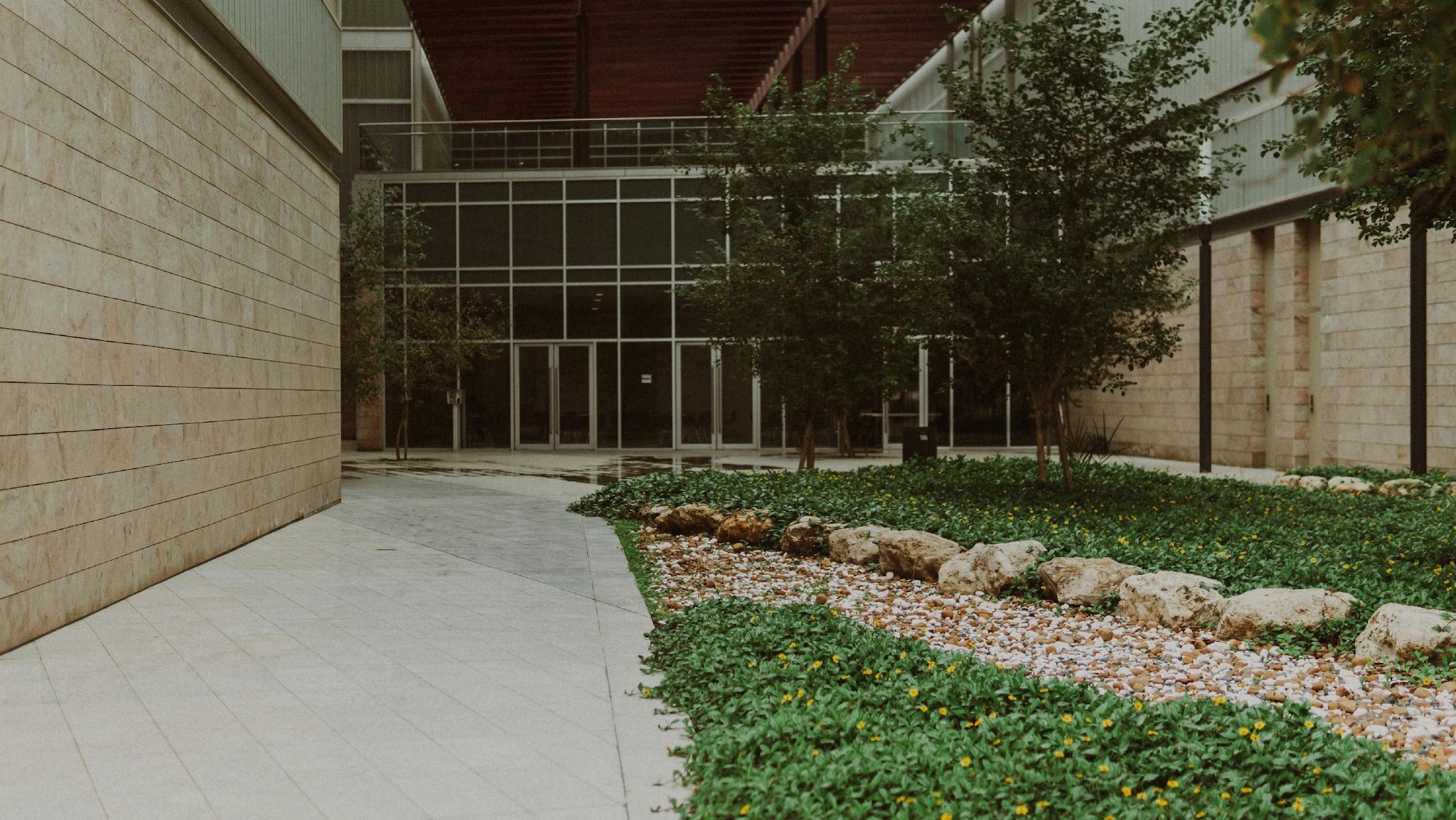
A thoughtfully designed outdoor space can completely change how a property looks and feels. Whether it is a residential yard or a commercial exterior, the right combination of layout, materials, and plant choices can turn an ordinary area into an inviting and functional environment. Successful outdoor planning is not only about appearance. It also involves usability, sustainability, and long-term maintenance.
By approaching outdoor design with clear goals and practical strategies, it is possible to create spaces that are both visually striking and easy to enjoy year-round.
Start With a Clear Vision and Purpose
Every successful outdoor project begins with understanding how the space will be used. Some areas are meant for relaxation and entertaining, while others prioritize curb appeal or functionality. Defining the main purpose helps guide decisions on layout, features, and materials.
Consider how people will move through the area and what activities will take place there. Pathways, seating, open lawn areas, and focal points should all support this intended use. A clear vision prevents overcrowding the space and helps ensure that design elements work together rather than compete for attention.
Sketching a rough layout or creating a simple plan can help visualize how each element fits into the overall design before any work begins.
Choose Plants That Match Climate and Conditions
Plant selection has a major impact on the success and longevity of an outdoor space. Choosing plants that naturally thrive in the local climate reduces maintenance and increases the likelihood of healthy growth. Sun exposure, soil type, and water availability should all play a role in plant choices.
Native and drought-tolerant plants are often excellent options, as they require less water and are more resistant to pests and disease. Mixing trees, shrubs, ground cover, and seasonal flowers adds texture and visual interest while supporting balanced growth.
In well planned landscape development projects, plants are arranged not only for beauty but also for function. Trees may provide shade, shrubs can create privacy, and ground cover can help prevent erosion and reduce weed growth.
Focus on Balance and Proportion
A stunning outdoor space feels natural and harmonious. Balance and proportion help achieve this by ensuring that no single feature overwhelms the area. Large trees or structures should be balanced with open spaces or smaller design elements to maintain visual flow.
Repeating certain materials, colors, or plant types can create cohesion throughout the space. At the same time, varying heights and textures keep the design from feeling flat or repetitive. Careful spacing allows plants to grow into their natural shape without overcrowding, which improves long-term appearance and health.
Taking a step back to view the design from different angles can help identify areas that need adjustment before final planting or installation.
Incorporate Hardscape Elements for Structure
Hardscape features provide structure and functionality to outdoor spaces. Patios, walkways, retaining walls, and garden borders help define areas and guide movement. These elements also add durability and visual contrast to softer plant materials.
Material selection is important for both aesthetics and performance. Natural stone, concrete, wood, and pavers each offer unique benefits and visual styles. Choosing materials that complement the property’s architecture creates a cohesive look that feels intentional rather than added on.
Good drainage and proper installation are essential. Well-designed hardscape features should enhance convenience and comfort without creating water issues or safety concerns.
Design With Maintenance in Mind
Even the most beautiful outdoor spaces can lose their appeal if they are difficult to maintain. Designing with upkeep in mind helps ensure that the area remains attractive over time. Simple layouts, durable plant choices, and efficient irrigation systems can significantly reduce ongoing effort.
Mulching planting beds helps retain moisture and suppresses weeds, while thoughtful plant spacing reduces the need for frequent trimming. Installing lighting and irrigation systems during the initial design phase avoids disruptive changes later.
Anticipating seasonal changes is also valuable. Choosing a mix of plants that provide interest throughout the year helps maintain visual appeal even when certain plants are dormant.
Creating Outdoor Spaces That Last
Stunning outdoor spaces are built on careful planning, practical design choices, and attention to long-term performance. By focusing on purpose, plant selection, balance, and sustainable practices, any property can benefit from an outdoor environment that is both beautiful and functional.
When design decisions support ease of use and adaptability, outdoor areas become extensions of the living or working space. With the right approach, these spaces can continue to provide enjoyment, value, and visual impact for years to come.