

Ever noticed how some cars still look showroom-fresh after years on the road, while others seem to age overnight? What’s their secret? Are professional treatments expensive, or are there simple habits anyone can adopt? And here’s the big question: could your daily routine actually be damaging your car’s paintwork without you even realising it?
Your car’s paint does far more than make your vehicle look pretty. It’s actually your first line of defence against rust, corrosion, and the harsh Australian elements. A well-maintained exterior protects your car’s bodywork, and, let’s be honest, it feels pretty great cruising around in something that sparkles. Plus, when it comes time to sell, that glossy finish can add thousands to your resale value.
In this guide, we’ll explore everything you need to know about keeping your car’s paintwork in tip-top condition. From understanding how automotive paint systems work to practical DIY tips and professional car painting options, we’ve got you covered. Whether you’re a complete beginner or someone looking to up their car care game, you’ll find actionable advice that actually works. Let’s get stuck into it.
Understanding Your Car’s Paint System
Before you can protect your paint, it helps to understand what you’re working with. Modern automotive paint isn’t just a single layer of colour slapped onto metal. It’s actually a sophisticated multi-layer system designed for both beauty and protection.
The Layers of Automotive Paint Explained
Your car typically has four distinct layers. First, there’s the primer, which bonds to the bare metal and provides a foundation. Next comes the base coat, which is the actual colour you see. On top of that sits the clear coat, a transparent layer that adds depth, shine, and UV protection. Finally, many new vehicles include an additional protective layer from the factory.
Each layer plays a crucial role. The clear coat takes the brunt of everyday wear and tear. When you notice swirl marks or light scratches, it’s usually this layer that’s affected. Understanding this helps you make smarter decisions about care, maintenance, and car painting repairs.
How Does Car Paint Get Damaged?
Paint damage happens in numerous ways, and some might surprise you. Bird droppings, tree sap, and bug splatter are obvious culprits. But even seemingly harmless things like improper washing techniques, automatic car washes with harsh brushes, and dust particles can create micro-scratches over time.
In Australian conditions, the sun is perhaps your biggest enemy. Intense UV radiation breaks down the clear coat, causing oxidation and that dreaded faded look. Salt air near coastal areas, road debris, and even the chemicals in some cleaning products can accelerate wear. Understanding these risks can help you take better care of your vehicle and know when professional car painting may be needed to restore its appearance.
Essential Car Painting Tips for Beginners
Thinking about tackling some paintwork yourself? It’s more achievable than you might imagine, though there are some important things to consider first.
Can You Paint Your Car at Home?
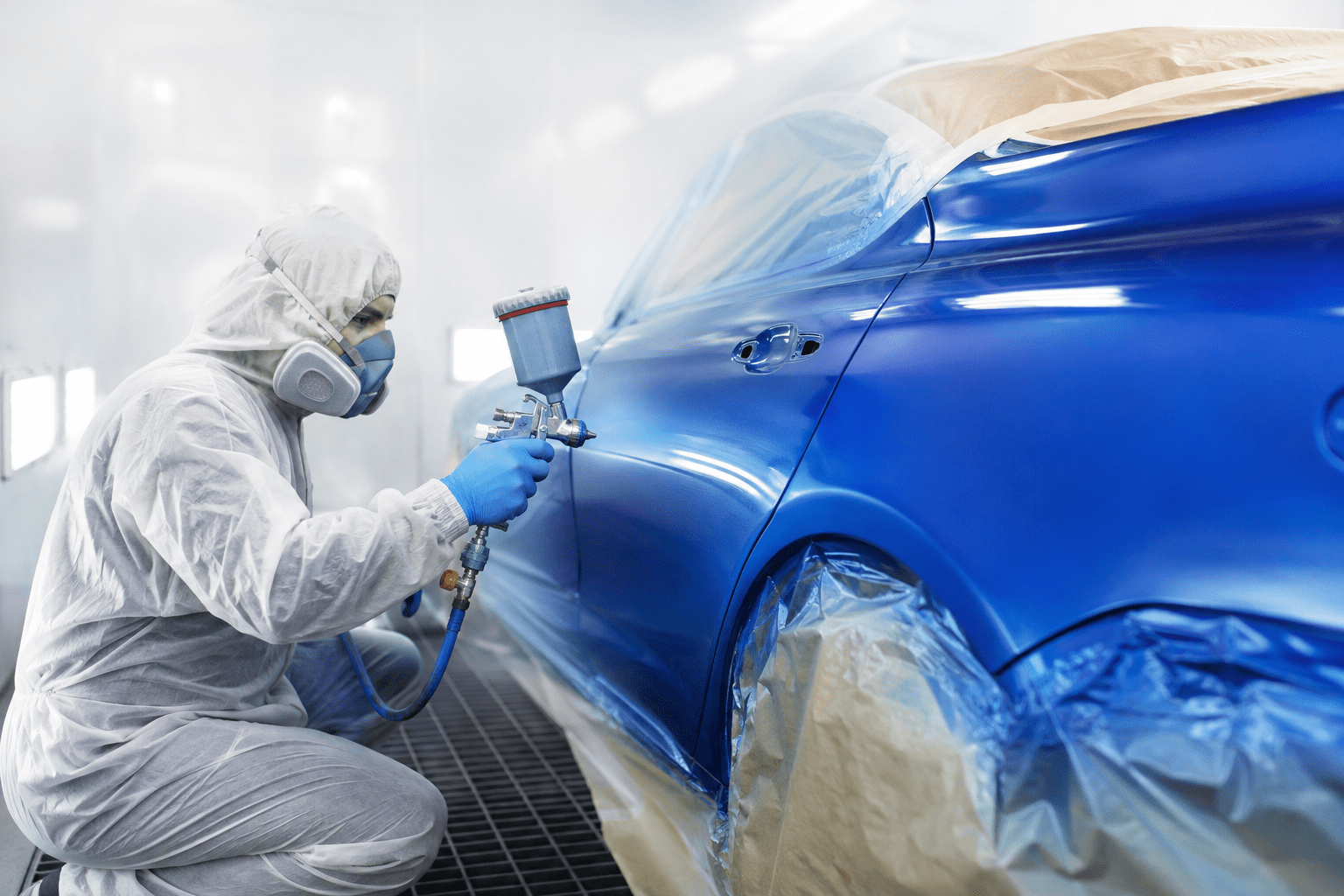
The short answer is yes, but with caveats. Small touch-ups and minor repairs are definitely DIY-friendly with the right tools and patience. However, full resprays require specialised equipment, proper ventilation, and considerable skill. Attempting a complete paint job in your garage often leads to disappointing results.
For beginners, start with the basics. Learn how to properly prep surfaces, practice on inconspicuous areas, and invest in quality materials. Cheap paint might save money upfront, but it rarely lasts or matches well. When choosing paint, always get the exact colour code from your vehicle’s compliance plate or door jamb sticker.
Choosing the Right Paint for Your Vehicle
Not all automotive paints are created equal. You’ll encounter terms like single-stage, two-stage, and waterborne paints. Two-stage systems (base coat plus clear coat) are standard on most modern vehicles and offer the best durability and finish.
When buying touch-up paint, match your car’s paint code exactly. Generic colours rarely work well. Quality automotive paint suppliers can mix custom matches, and it’s worth the extra cost. Also consider the finish type—metallic, pearl, and solid colours each require different application techniques.
How to Keep Your Car Paint Looking New
Daily habits make the biggest difference to long-term paint health. Small changes to your routine can prevent years of accumulated damage.
Daily Habits That Protect Your Paintwork
Park smart. Whenever possible, choose shaded spots or use a car cover. Avoid parking under trees where sap, bird droppings, and falling debris become problems. Clean off contaminants promptly—bird droppings are acidic and can etch into clear coat within hours.
Keep a microfibre cloth and quick detailer spray in your boot for emergency clean-ups. Wipe gently rather than rubbing, as grinding particles into the paint causes scratches. These simple practices take minimal effort but pay huge dividends.
How Often Should You Wash Your Car to Protect the Paint?
Most experts recommend washing every two weeks under normal conditions. If you’re driving on dusty rural roads or near the coast, weekly washing is better. However, washing too frequently with harsh products can strip protective waxes and damage the clear coat.
Use the two-bucket method: one with soapy water, one with clean rinse water. Always work from top to bottom, as the lower panels collect the most grime. Never wash in direct sunlight, as water spots can become permanent. These techniques prevent the scratches that accumulate into that tired, dull appearance.
Protecting Your Car from Sun Damage
Australia’s harsh sun is notorious for destroying paintwork. Understanding UV protection is essential for any car owner down under.
Does the Australian Sun Ruin Car Paint?
Absolutely. Australian UV levels are among the highest in the world, and your car’s paint suffers accordingly. Prolonged sun exposure causes oxidation, fading, and eventually clear coat failure. Red and black colours are particularly vulnerable, often showing damage sooner than lighter shades.
The good news? UV damage is largely preventable with proper care. Regular waxing adds a sacrificial layer that absorbs UV rays before they reach your clear coat. Ceramic coatings offer even stronger protection. Where you park matters enormously too—a few hours in harsh midday sun can undo months of careful maintenance.
Where to Park to Minimise Sun Exposure
Underground car parks are ideal but not always available. Seek out building shade, covered parking, or even large trees (weighing up the sap risk). At home, consider installing a carport or using a quality car cover. Even parking facing different directions throughout the week helps distribute sun exposure more evenly.
Professional Paint Protection Options
Sometimes DIY isn’t enough, and professional treatments offer superior protection for those wanting the best results.
Is Paint Protection Worth It?
For many car owners, professional paint protection represents excellent value. Quality treatments last years rather than weeks, provide superior protection against UV, chemicals, and minor scratches, and make ongoing maintenance much easier. Cars with proper protection typically maintain higher resale values.
The key is choosing reputable products and installers. Avoid dealership upsells with vague product information. Research specific brands, read reviews, and ask questions. A quality ceramic coating professionally applied can last five years or more.
Ceramic Coating vs Wax: Which Is Better for Your Car?
Traditional carnauba wax offers warmth and depth that many enthusiasts love, but it lasts only weeks before needing reapplication. Ceramic coatings bond chemically to your paint, creating a semi-permanent protective layer that’s far more durable.
Ceramic coatings provide better protection against UV, chemicals, and minor scratches. They make washing easier as dirt slides off more readily. However, they cost significantly more upfront and require professional application for best results. Wax remains a solid choice for those happy with regular maintenance.
DIY Touch-Up and Minor Repair Tips
Small chips and scratches happen to everyone. Knowing how to address them yourself saves money and prevents rust.
How to Fix Small Scratches and Chips at Home
First, assess the damage. If you can feel the scratch with your fingernail, it’s gone through the clear coat and needs proper touch-up. Superficial clear coat scratches often polish out with cutting compound and elbow grease.
For deeper damage, clean the area thoroughly, apply touch-up paint in thin layers, allowing drying time between coats, then finish with clear coat. It won’t be invisible, but it’ll protect against rust and look respectable. For chips, fill the depression gradually rather than flooding it with paint.
When to Call a Professional Instead
Large scratches, deep gouges, or damage covering significant areas warrant professional attention. Similarly, if rust has already started, proper repair requires more than touch-up paint. Colour-matching metallic and pearl finishes is notoriously difficult for DIYers.
When in doubt, get a quote. Professional smart repairs for localised damage are often more affordable than people expect, and the results far exceed what’s achievable at home.
Final Thoughts on Protecting Your Investment
Your car represents a significant investment, and its paintwork deserves proper attention. The good news is that keeping it looking brilliant doesn’t require expensive treatments or endless hours of work. Simple habits, smart parking choices, and regular maintenance make all the difference.
We’ve covered a lot of ground here, from understanding how paint systems work to practical DIY tips and professional options. The key takeaway? Prevention is always easier than repair. Those few minutes spent cleaning off bird droppings or choosing a shaded parking spot save hours of polishing and potentially thousands in respray costs down the track.
Whether you go the DIY route or invest in professional protection, consistency matters most. If your paintwork has already suffered significant fading, scratches, or damage, professional car painting can help restore your vehicle’s finish. Start implementing these tips today, and your car will reward you with a showroom shine for years to come. After all, there’s nothing quite like the satisfaction of driving a car that looks as good as the day you bought it.