
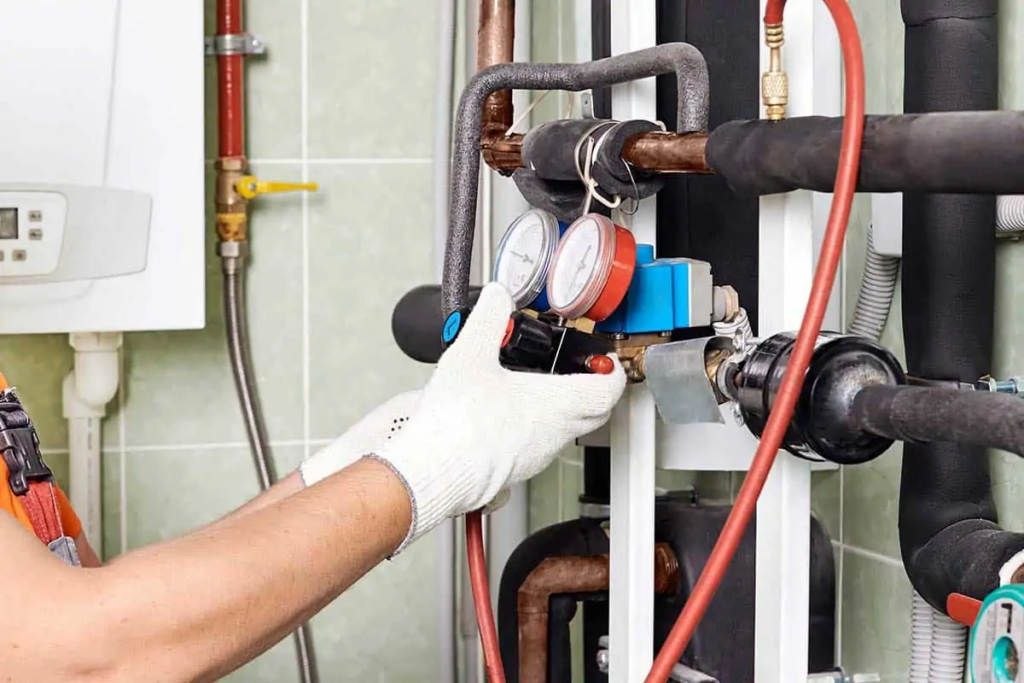
Few household systems are as essential as your hot water service. From morning showers and dishwashing to laundry and cleaning, your hot water service works quietly behind the scenes every day. Yet many homeowners only think about their hot water service when it suddenly fails or energy bills begin to rise.
Choosing the right hot water service is one of the most important decisions you’ll make for your home. The right system provides comfort, reliability, and long-term savings. The wrong hot water service can lead to constant repairs, high running costs, and daily frustration. This complete buyer’s guide will help you understand your options, compare system types, calculate sizing requirements, and choose a hot water service that suits your household and budget.
Understanding Different Types of Hot Water Service Systems
Before selecting a hot water service, it’s important to understand the available system types. Each type of hot water service has its own benefits, costs, and energy requirements.
Electric Hot Water Service
An electric hot water service is one of the most common options in Australian homes. These systems use electric elements to heat water stored in a tank. They are affordable to purchase and simple to install, making them popular for smaller households and rental properties.
However, a standard electric hot water service can be expensive to run, especially if connected to peak electricity tariffs. Off-peak electric systems reduce running costs by heating water overnight at lower rates.
Gas Hot Water Service
A gas hot water service uses either natural gas or LPG to heat water. Gas systems generally heat water faster and cost less to run compared to traditional electric models. If your home already has a gas connection, installing a gas hot water service can be cost-effective over time.
Natural gas is typically cheaper than LPG, so availability in your area will influence your hot water service choice.
Solar Hot Water Service
A solar hot water service uses rooftop panels to harness the sun’s energy. These systems significantly reduce electricity or gas consumption, making them highly economical in sunny climates.
Although a solar hot water service requires a higher upfront investment, government rebates often make it more affordable. Most systems include a gas or electric booster to ensure hot water during cloudy periods.
Heat Pump Hot Water Service
A heat pump hot water service extracts warmth from the surrounding air to heat water. This energy-efficient option uses far less electricity than a standard electric system.
A heat pump hot water service works well in most Australian climates and qualifies for rebates in many states. While purchase costs are higher, long-term savings are substantial.
Storage vs Continuous Flow Hot Water Service
Another important decision when selecting a hot water service is choosing between storage and continuous flow systems.
A storage hot water service keeps heated water in a tank ready for use. Once the tank empties, you must wait for it to reheat.
A continuous flow hot water service heats water on demand. This means you’ll never run out of hot water, making it ideal for large households. However, a continuous flow hot water service may struggle if multiple outlets are used simultaneously.
How to Size Your Hot Water Service Correctly
Choosing the correct size hot water service is critical. An undersized system leads to cold showers, while an oversized hot water service wastes energy.
Estimating Household Demand
As a general guideline:
- 1–2 people: 90–160 litre storage hot water service
- 3–4 people: 160–250 litre storage hot water service
- 5+ people: 250–400 litre storage hot water service
For continuous flow systems, sizing depends on flow rate (litres per minute) rather than tank capacity. A licensed plumber can help calculate the correct hot water service size for your home.
Energy Efficiency and Running Costs
Energy efficiency should be a major consideration when choosing a hot water service. An efficient system reduces long-term energy expenses and environmental impact.
Heat pump and solar hot water service systems typically offer the lowest running costs. Gas systems are often cheaper to operate than standard electric storage units. A continuous flow hot water service also saves energy because it heats water only when required.
When comparing options, review Energy Star ratings and estimate 10-year operating costs—not just purchase price.
How Long Does a Hot Water Service Last?
The lifespan of a hot water service depends on system type and maintenance.
- Electric storage hot water service: 10–15 years
- Gas storage hot water service: 10–15 years
- Continuous flow hot water service: Up to 20 years
- Solar hot water service: 15–20 years
- Heat pump hot water service: 10–15 years
Regular servicing extends the life of your hot water service. Flushing tanks, checking anodes, and professional inspections improve performance and durability.
Signs You Need to Replace Your Hot Water Service
Your hot water service may need replacement if you notice:
- Rusty or discoloured water
- Leaks around the base
- Strange noises
- Inconsistent temperatures
- Rising energy bills
If your hot water service is over 10 years old and showing these symptoms, replacement is often more economical than repair.
Best Hot Water Service for Australian Homes
There is no universal best hot water service, as climate and energy availability vary across Australia.
- Sunny regions: Solar hot water service
- Cooler climates: Heat pump hot water service
- Homes with gas connection: Gas hot water service
- Off-grid properties: Solar with gas booster
Matching your hot water service to your climate ensures maximum efficiency.
Gas vs Electric Hot Water Service
When comparing gas and electric options, consider both upfront and running costs.
A gas hot water service typically costs less to operate but requires gas supply. An electric hot water service costs less to install but may have higher electricity expenses unless paired with solar panels or off-peak tariffs.
If your home has rooftop solar, a heat pump hot water service can be an excellent long-term investment.
Choosing a Reliable Hot Water Service Brand
Selecting a reputable manufacturer ensures your hot water service performs reliably. Look for brands with strong warranties and proven track records. A good hot water service should include at least a 5-year component warranty and a 10-year tank warranty.
Always have your hot water service installed by a licensed plumber to ensure safety and compliance.
Final Checklist Before Buying
Before purchasing a hot water service, consider:
- Household size and usage habits
- Available energy sources
- Climate conditions
- Installation space
- Budget and rebate eligibility
- Long-term running costs
Getting multiple quotes ensures you choose the right hot water service at the best value.
Conclusion
Choosing the right hot water service requires balancing comfort, efficiency, and cost. Whether you select electric, gas, solar, or heat pump, the ideal hot water service is one that meets your household demand while minimising long-term expenses.
Take time to compare options, calculate running costs, and consult licensed professionals. A well-chosen hot water service will provide reliable hot water for years to come, keeping your family comfortable and your energy bills under control.