
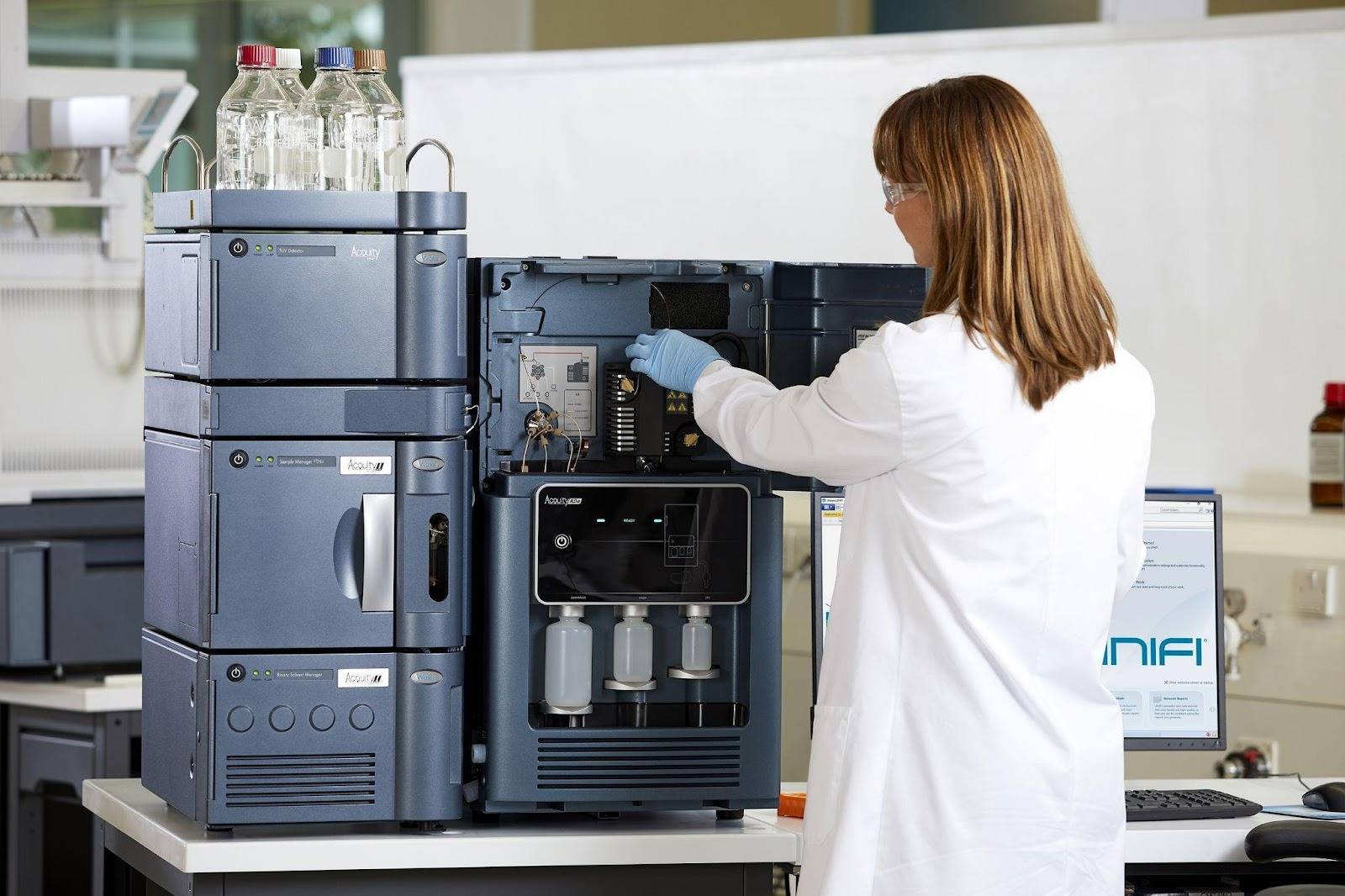
The selection of a mass spectrometry service provider is a critical determinant in the success of pharmacokinetic (PK) and pharmacodynamic (PD) studies. Precision in quantifying drug concentrations and their subsequent biological effects necessitates advanced analytical instrumentation and rigorous methodological validation. Evaluating laboratory capabilities requires a comprehensive assessment of sensitivity limits, regulatory compliance, and data integrity standards. Partnering with a facility that aligns with specific throughput requirements ensures that complex molecular interactions are characterized with requisite accuracy and reproducibility.
The Need for Exact Bioanalysis in PK/PD Studies
Robust pharmacokinetic data requires flawless bioanalysis. Clinical and preclinical studies depend on precise concentration measurements to determine dosing, safety margins, and drug efficacy. Utilizing a dedicated Bioanalytical Laboratory ensures that researchers capture minor variations in analyte levels. When your data is highly accurate, you reduce the risk of clinical holds and ensure the development pipeline remains on schedule.
Challenges in Selecting a Bioanalytical CRO
Outsourcing your sample analysis introduces specific challenges. Many laboratories lack the specialized equipment necessary for complex small-molecule and biologic assessments. Others struggle with high staff turnover, which interrupts scientist-to-scientist communication. When evaluating potential partners, look for these warning signs:
- Inconsistent assay validation records.
- A lack of recent FDA-audited history.
- Limited experience with your specific therapeutic class.
- Opaque reporting processes that delay data delivery.
Achieving Accuracy with LCMS Method Development
Accurate drug concentration data starts with sound LCMS Method Development. A specialized Mass Spectrometry Service relies on liquid chromatography-mass spectrometry to separate and quantify target molecules with high precision. The chosen laboratory must demonstrate the ability to optimize extraction procedures and liquid chromatography conditions for your specific biological matrix. Proper method development directly impacts assay sensitivity and reproducibility. A capable scientific team will troubleshoot matrix effects and optimize ion transitions, ensuring the final method passes rigorous assay validation before sample analysis begins.
Evaluating Mass Spectrometry Testing Services
When you audit a laboratory’s mass spectrometry testing services, focus on two primary criteria: sensitivity and throughput.
Sensitivity Requirements
Modern therapeutics often require quantification at picogram or femtogram levels. The laboratory must operate modern triple quadrupole or high-resolution mass spectrometers capable of detecting trace amounts of the analyte without background interference.
Throughput Capacity
Large clinical trials generate thousands of samples. The facility needs automated sample-preparation systems and multiple mass spectrometry instruments operating in parallel to process batches quickly without compromising data integrity.
Technical Considerations for an MSD Assay Protocol
LC-MS is ideal for small molecules, but MSD assay protocols are necessary for evaluating large molecules and biomarkers. Meso Scale Discovery platforms use electrochemiluminescence for their broad dynamic ranges and low background noise, making them suitable for complex biologics or multiplexed cytokine panels.
For successful integration, laboratory personnel must rigorously validate capture and detection antibodies, assess matrix interference, and establish reliable calibration curves. A facility that combines high-end LC-MS with validated electrochemiluminescence protocols is equipped to support complex pharmacokinetic and pharmacodynamic studies.
Must Read: Pharmacokinetics Assays for Small Molecules vs. Biologics
Regulatory Alignment for Data Integrity
Technical capability means nothing without strict regulatory compliance. All generated data must withstand intense scrutiny from regulatory bodies. The selected partner must operate a GLP-compliant facility with a documented history of successful inspections. Key regulatory indicators include:
- Standard Operating Procedures (SOPs) aligned with current GLP/GCLP and ICH guidelines.
- A proven track record of being an FDA-audited facility.
- Strict 21 CFR Part 11 compliant software systems for data tracking.
- Independent Quality Assurance units that review all data before delivery.
Assessing Bioanalytical Laboratory Infrastructure
A site visit or detailed virtual audit reveals the true capacity of a Bioanalytical Laboratory. Look beyond the instrument list. Check the sample storage facilities, backup power generators, and disaster recovery plans. The laboratory must have secure, temperature-monitored freezers to maintain sample stability over long durations.
Verify how the staff tracks sample chains of custody from arrival to final disposal. Proper infrastructure extends to software and data management systems. Laboratory Information Management Systems (LIMS) must securely handle vast amounts of raw data. Any failure in data archiving can result in missing information during a regulatory audit. Evaluate the IT infrastructure to confirm that continuous backups and strict access controls protect your intellectual property.
Conclusion
Selecting the right Mass Spectrometry Services protects your drug development timeline. A laboratory equipped with modern instrumentation, rigorous GLP-compliant processes, and responsive scientists minimizes regulatory risk. By prioritizing open communication and strict assay validation standards, you secure the high-quality data necessary for your IND or NDA submissions. If you need a reliable partner to support your clinical or preclinical trials, contact an FDA-audited Bioanalytical CRO to discuss your specific sample analysis needs. Schedule a consultation today to ensure your next study delivers accurate and timely results.