
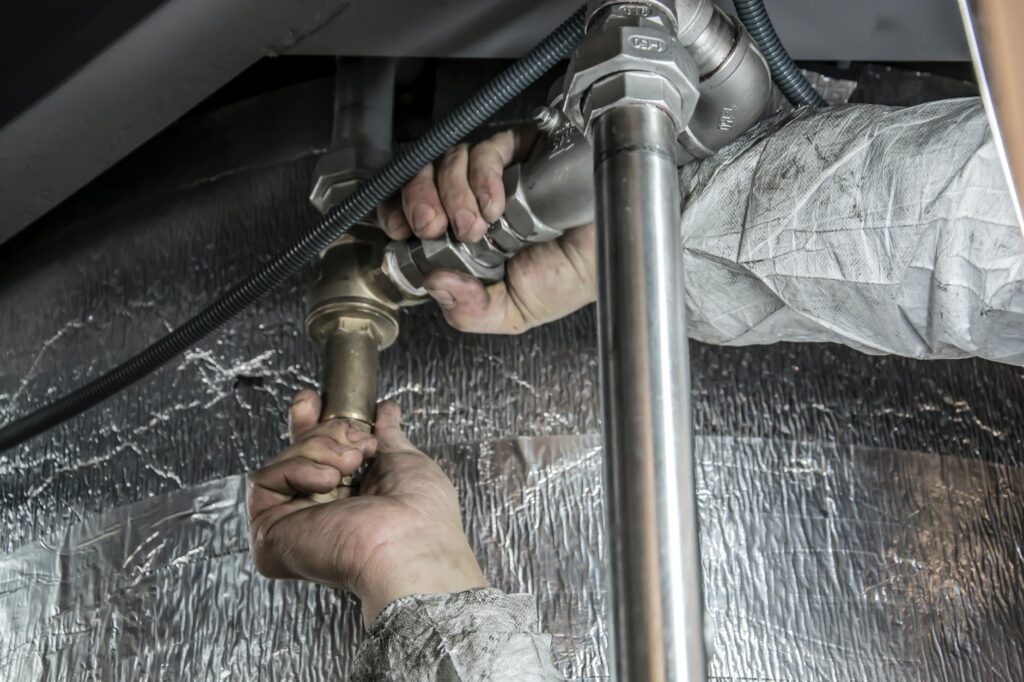
A pipe bursts, and now you have the potential of dealing with a lot of damage to a commercial property, especially for businesses that are unprepared. Burst pipes happen when water inside the plumbing freezes, causing it to expand and crack or damage the pipe. Although burst pipes may not be completely unavoidable, they are mostly preventable. By integrating a few processes into a general maintenance plan, business leaders can minimize damage and ensure operational continuity.
Understand Common Causes of Burst Pipes
In order to reduce the risk of burst pipes, the entire team needs to understand how they happen. All it takes to make a burst pipe is to have standing water that is cold enough to freeze inside the pipe. As such, there are a range of causes, including:
- Low interior temperatures during an extended building closure or prolonged power outage
- Pipe exposure to the elements
- Unused plumbing lines, like sprinklers, that are not drained at the end of the watering season
Thankfully, these conditions should be fairly simple to avoid. Managers should provide training to ensure employees maintain appropriate building conditions and understand emergency response protocols in the event of a burst pipe.
Maintain Consistent Interior Temperature
The biggest factor that causes burst pipes is temperature. Some business owners try to cut costs by lowering the heat during winter, but temperatures below 55 degrees Fahrenheit increase the likelihood of frozen pipes. Building interiors should be kept at this minimum temperature or higher for best practices, even during building closures. If the power goes out or the heating system is not available during extreme cold, managers can lower the risk by running faucets at a slow drip. This step keeps the water flowing, making it less likely to freeze in place.
Insulate Exposed Pipes
Many businesses have exposed pipes or plumbing that runs through unheated parts of the building. These pipes are more prone to freezing because they are exposed to colder temperatures more frequently. Pipe insulation can help to reduce the chilling effect by adding some protection from the exterior temperatures. This insulation is usually fairly simple to peel and stick to the pipes. If there are too many pipes to reasonably insulate, business leaders should consider providing heating to the areas where plumbing runs inside the building. Even opening doors and cabinets to provide extra heat flow could mean the difference between flowing water and a frozen pipe.
Drain Unused Plumbing Lines
Businesses often have plumbing systems that they only use part of the year, such as a sprinkling system with PVC pipes and Schedule 80 PVC elbows. If the plumbing lines are not in use, it is important to drain them before shutting down the system. To drain the line, someone should shut off the water to the line and use manual valves to drain the excess water. The plumbing system may have an automatic drain valve that will release the water once the line is shut off. These steps ensure the pipes are clear until they are in use again.
Implement Smart Leak Detection
Plumbing that is starting to fail often shows signs of minor leaks before the pipes freeze and burst. Smart leak detection can help businesses to identify these leaks and address them before the situation gets worse. This type of leak detection relies on sensors that can monitor water pressure and detect the presence of water outside the pipes, sending this information to a central hub that managers can monitor. With early signs and alerts, business administrators can get early warnings of excessive water consumption from a leak or burst pipe, so they can act quickly.
Preventing burst pipes requires some routine maintenance and advanced planning. Burst pipes can cause thousands of dollars in water damage mitigation costs, disrupt daily operations, and create stress for employees and managers. By taking action to maintain consistent temperatures, insulate exposed pipes, drain unused lines, and use smart leak detection, business leadership can reduce their risk of a plumbing nightmare.
AUTHOR BIO: Khris Kaylor is IT Manager at Maxx Supply, a leading distributor of PVC supplies. Kaylor began his IT career in 1995 and holds an MCSE certification. With a decade of experience in POS systems — including installation, programming, training and support — he later transitioned to hardware and software support. Kaylor has also collaborated on managing multiple brand websites within the food and beverage industry.