
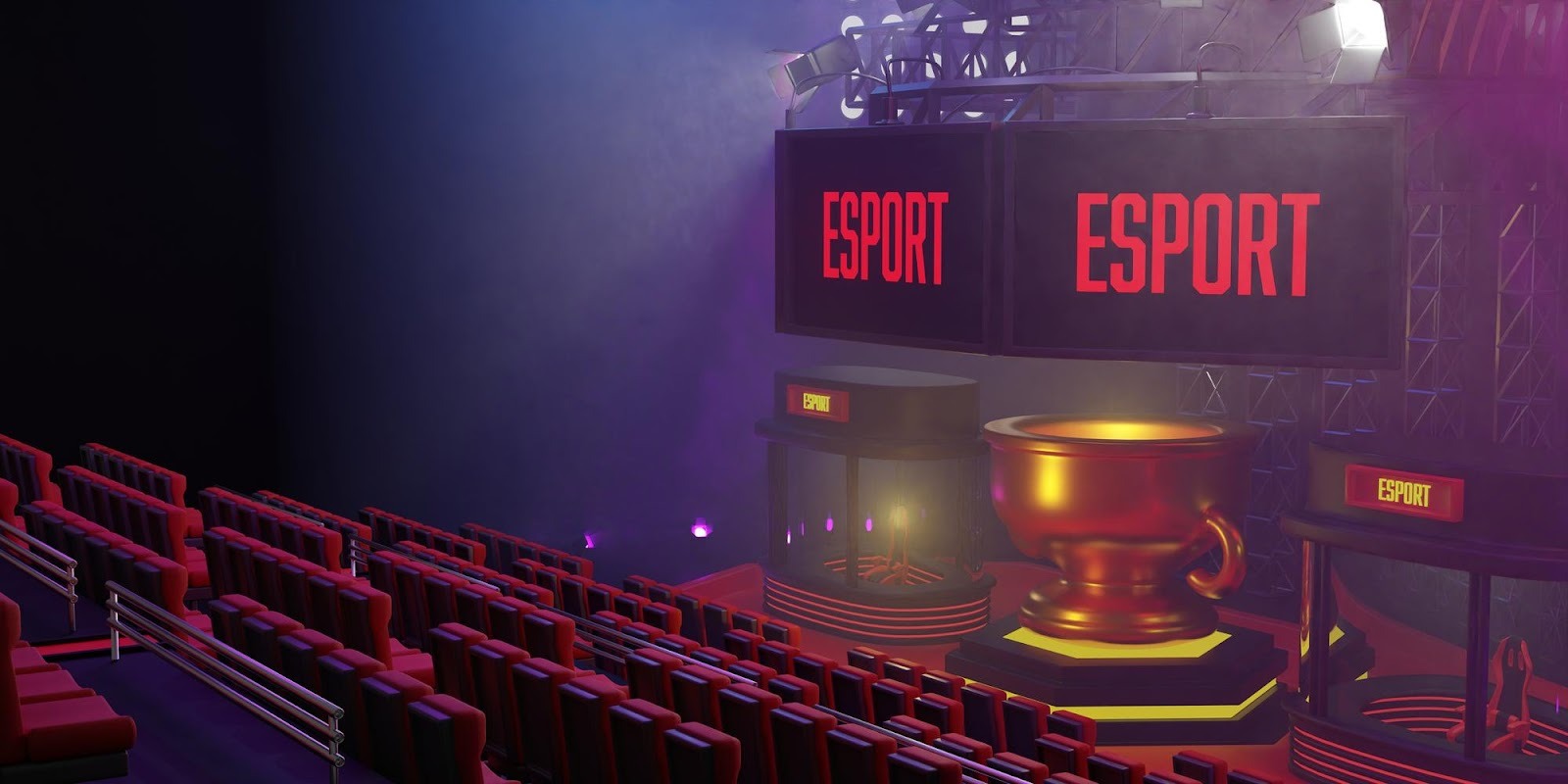
Picture transforming your passion for gaming into an actual career, something parents and teachers used to roll their eyes at. For decades, young players were informed that gaming was a mere hobby, an impediment to “real work.” But the world has changed. Esports is where millions of viewers, lucrative sponsorships, professional teams, and a rapidly expanding esports community have transformed gaming into real career opportunities in just over a decade.
This article discusses the way that esports events are reshaping the career space of youth. We are going to discuss transferable skills that gamers have mastered, emerging job roles within the industry and how you can turn a passion for gaming into a legitimate job. Whether you’re a young gamer seeking guidance, a parent who’s worried about the future or an educator who wants to equip students, this guide will give insight into the untapped opportunity of esports careers and why now is the time to pay notice.
The Rise of Esports as a Legitimate Industry
What was once considered a simple pastime or hobby has grown into a global phenomenon in the span of mere decades. Competitive gaming draws millions of viewers globally today and generates billions in revenue. From live tournaments packing stadiums to online streaming platforms with millions of concurrent viewers, esports has shown that it is a fully-fledged, legitimate professional industry. The worldwide esports market is set to reach over $2.5 billion in revenues while its audience will exceed 600 million viewers in the coming years, according to recent estimates.
This popularity spike has made the esports world come out of the darkness and into the light, seizing the attention of investors, colleges and even traditional employers. Where gaming was once widely regarded as little more than a distraction, it’s now viewed as the breeding ground for hotbeds of talent and innovation. And the most intriguing part? This booming growth is resulting in different career options, especially for the youngsters, where passion can meet expertise.
How Esports Skills Translate to Real-World Careers
Many of the common stereotypes surrounding gaming are wrong. One of the biggest misconceptions is that it doesn’t hone skills one could use in real life, even outside the virtual world. But any gamer that spends time in competitive titles knows that it takes strategic thinking, teamwork, making decisions under pressure and adaptability, skills that are highly regarded in the 21st century workplace.
The tech and digital competencies learned through esports are equally valuable components of the education provided in an esports environment. Players frequently learn about streaming platforms, content creation, social media engagement and even rudimentary analytics. This provides them with transferable skills applicable to careers in marketing, project management, IT and media production, markets that are crying out for young people who have communication skills. Take the case of a player who runs their own streaming channel: understanding how to edit video, engage an audience and build a brand can all translate over into positions at companies in digital media or marketing.
Skeptics may suggest that these types of experiences do not constitute “real work,” but the truth is that tons of employers today see experience in esports as evidence for initiative, resilience and being able to perform under high-stress situations. Games do not need to serve solely as entertainment, and they can be career skills training in disguise when approached deliberately.
Emerging Career Paths in Esports for Youth
Career opportunities in esports, aside from being a player. Competing at the highest level is one possible career trajectory, but the ecosystem surrounding competitive gaming is extensive.
Tournament winnings, sponsorships and streaming revenue are income streams for professional players. Such contracts are common in competitive esports and work similarly to sports but at the top level. Yet, few even reach this world-class elite level, which means only a handful of people worldwide can compete, with around 125 ranks in the top tier for prize money in many sports, so alternative career paths must be considered within the industry itself.
Behind-the-scenes roles are growing rapidly. Make way for Coaches, Team managers, analysts and strategists to optimise the teams. Marketing and sponsorship management roles are also essential, as businesses spend a lot of money on brands and partnerships.
Another exciting frontier comes in technical and creative roles. Video editing, game development, graphic design and content production are a few of the options available to youth that they can turn their love into careers. Some young people focus on live streaming, producing material that both entertains and educates viewers at the same time. The growth of community management, events planning and esports journalism is also contributing to this impact, letting young people get involved in the industry without ever setting foot on stage (not that they wouldn’t want to).
Thus, these numerous avenues have turned esports not only into a sector based around playing video games, but also an entire skillset which can be applied to several career choices.
Education and Training Pathways
As esports gain more legitimacy, educational institutions are getting involved to formalize training. Many universities and online platforms offer degrees or certificate programs related to esports, such as game design, marketing, event management and sports psychology. These programs assist youth in blending their gaming experience with their skill set so that they know what to expect from a competitive job market.
There are also esports academies that have evolved into specialized centers of training for young players. These academies focus on both developing the skill set and nurturing performance through structured private coaching, mentorship and physical training. Completing these programs invariably polishes skills while also establishing credibility in an otherwise rogue and cut-throat industry.
For youth who do not have access to established programs, self-directed learning is still a beneficial tool. Technical and soft skills can be developed through YouTube, Online courses and esports communities. Young players can showcase their skills to future employers or organizations by creating a portfolio of achievements.
There are numerous case studies of young people going from casual gaming to professional careers. For instance, content creators who were originally streaming part-time as a passion project have become full-time influencers and business owners. Analysts, too, who started by dissecting gameplay for the fun of it, have found opportunities in esports consulting and team management. The important implication here is that education, formal or otherwise, supplements the potential of esports to be a career starter.
What Young People Encounter Entering Esports Careers
Esports is nothing without its challenges despite this growth. This field has a lot of competition and professional performance positions are scarce. A tiny number of aspiring players will get contracts with top-tier teams, so you need to find other ways into the ecosystem.
Parental and societal skepticism also persist as a barrier. In many households, as well, the viability of gaming as a career is still questioned, with instability and little long-term potential. Clearing perceptions like these will take detailed marketing around what people might study in esports and how they can earn significantly more than if they took a similar education.
Additionally, professional gaming can be mentally and physically demanding. Players face long practice hours, high-stakes competition, and the stress of maintaining public personas online. Without proper guidance and balance, burnout is a real risk.
Networking, mentorship and stage front-end-development-partners is because these tools are essential to overcome these challenges. Connecting with professionals, building a community in the industry through tournaments, and developing a personal brand across these 3 areas can help increase their capacity to succeed and ultimately pursue the elusive “esports professional” lifestyle.
How to Make Gaming a Career: Tips and Tricks
Gaming would not be a successful career path due to earning potential, but through a proper strategy. Teens who are serious about a career in esports should brand themselves in unique ways that show off what they can do, their accomplishments and expertise. Whether it’s online tournaments or offline matches, tournament participation shows competitiveness and dedication.
Another great tactic is creating content. Twitch, YouTube, and TikTok allow gamers to reach potential global audiences, build followings and earn money through sponsorship or ad revenue, while opportunities like write for us gaming can further help them share their insights and gain visibility. Even someone not trying to become a pro can use it for credibility and visibility.
It’s equally important to develop complementary skills. Sharper than a razor, skills like leadership and communication to marketing and analytics increase employability beyond the world of playing. An example of this is when you are able to run tournaments, manage teams or analyze performance data, then you become valuable to esports organizations.
The convergence of gameplay proficiency with business and tech skills allows youth to forge various career paths in the industry. If esports is approached with professionalism in mind, implemented as a skill-building ecosystem, and the passionate are able to align themselves strategically with opportunities.
The Future of Youth Employment in Esports
The Future of Employment With the advancement of technology, new platforms, virtual events and immersive gaming experiences are opening up a variety of career paths. This even extends to the development of AI-based game analytics, virtual reality experiences, and esports content creation.
Esports is also helping the youth of the world expand career options. Today, students coming from different backgrounds have the routes available to them that lead to exciting professional growth opportunities without the confines of their geo-location and traditional education. The industry’s growth has created opportunities for people who may not even play the games to enjoy fulfilling careers in journalism, marketing, event management and more.
For the young people considering career choices today, esports can be a rare confluence of passion, skill and opportunity. However, with a clear vision of the growth potential in the industry, taking an interest in its different facets and networking with industry stakeholders at an early age can help youngsters transform a passion or hobby into something that will pay dividends for many years to come.
Conclusion
Esports is changing the way careers are built in the new age. And it is not just about professional gaming; the industry has provided multitudes of avenues where young people can learn skills, gain experience and have a successful career. There are many roles available, from competitive play to coaching, content creation, marketing and technical roles.
Understanding career possibilities in esports is important to parents, educators, and young people. Fostering video game passion with a skill-development mindset can help youth be at the cutting edge of an industry on the verge of massive growth.