
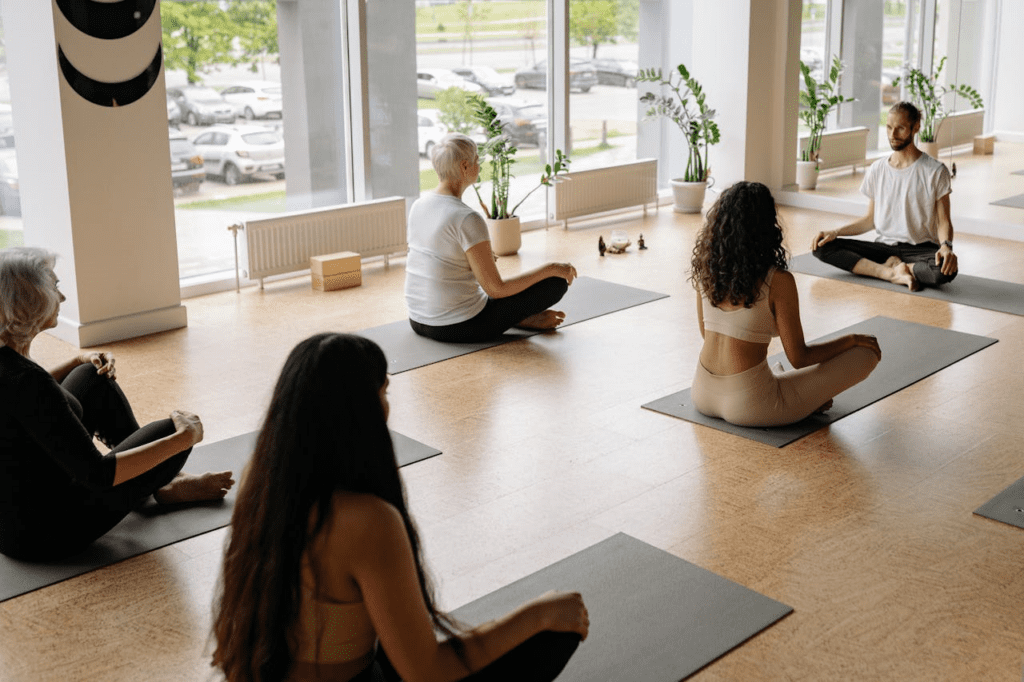
A spare room can evolve into a profitable fitness studio with the right planning and a clear business structure. Many home-based trainers begin with small, focused setups and build them into reliable income streams over time. Adding the right strategy early on makes the transition from unused space to a functional studio much smoother.
Assessing Your Space and Business Goals
The first step is evaluating the room you plan to convert. Measuring the available floor area, understanding traffic flow, and identifying where natural or artificial light works best helps create a layout that feels organized rather than improvised. A room that allows smooth movement patterns instantly feels more professional to clients.
Business goals also shape how the space should look. A studio designed for personal training will require different equipment and spacing than one intended for small-group sessions or specialty services. Defining the type of training you plan to offer guides your equipment list and prevents unnecessary purchases.
Making Small Spaces Work with Smart Equipment Choices
Small areas can function surprisingly well with strategic equipment selection. Compact, multifunctional tools often outperform bulky machines in limited square footage. One of the most effective pieces in this situation is a power rack, because it combines several essential training functions in a single footprint.
A power rack supports squats, bench work, deadlifts, pull-ups, barbell progressions, and accessory movements using add-on attachments. Instead of filling the room with separate stands and benches, the rack acts as a versatile anchor for strength training. This leaves enough space for warm-ups, mobility work, or a small cardio unit without overcrowding the studio.
Designing a Functional Layout Your Clients Will Trust
A home fitness studio should feel intentional, clean, and easy to navigate. Keeping the center of the room open helps clients move between exercises without feeling boxed in. On the other hand, larger equipment, weights, and storage shelves usually work best along the perimeter.
Lighting also contributes to client comfort and overall ambiance, making gym décor more encouraging to exercise. Natural light, when available, creates an uplifting atmosphere, while warm LED panels are an effective alternative in darker rooms. Durable flooring such as rubber tiles or padded vinyl improves safety, reduces noise, and gives the studio a polished look that clients associate with professionalism.
Building a Starter Equipment Package Without Overspending

A home-gym business does not need a full commercial setup on day one. Many trainers start with a practical foundation: adjustable dumbbells, kettlebells, resistance bands, a training bench, and basic mobility tools. This setup supports most beginner and intermediate client programs.
Additional equipment can be added gradually as revenue grows. Strength-focused trainers often expand with barbell plates, specialty bars, and rack attachments. Mobility-oriented trainers may add foam rollers, balance trainers, or recovery tools. Choosing equipment based on the training niche ensures every item serves a purpose.
Creating a Professional Environment Clients Feel Comfortable
A welcoming environment significantly influences client satisfaction. Simple additions such as a shoe rack, a small water station, hooks for coats, and neatly folded towels create a sense of care and organization. These touches elevate the space from a home room to a genuine studio.
Ambient elements also matter. A compact Bluetooth speaker can set the right energy without overwhelming conversation. Regular cleaning, including wiping surfaces and maintaining clutter-free corners, helps maintain a polished look. Clients are more likely to return when the atmosphere feels clean, calm, and consistent.
Setting Up Your Business Legally and Financially
Legal and financial preparation should be completed before training begins. Local regulations may require zoning acknowledgment, liability insurance, or basic business registration. Checking these details early ensures the studio operates within local guidelines.
A clear pricing structure helps establish professionalism. Package-based pricing encourages client commitment, which stabilizes income over time. Many home-studio owners integrate progress tracking or once-a-month check-ins to increase client engagement. Simple accounting software can manage expenses, income, and tax documentation, keeping the business organized from the beginning.
Marketing Your Home Gym and Building a Steady Client Base
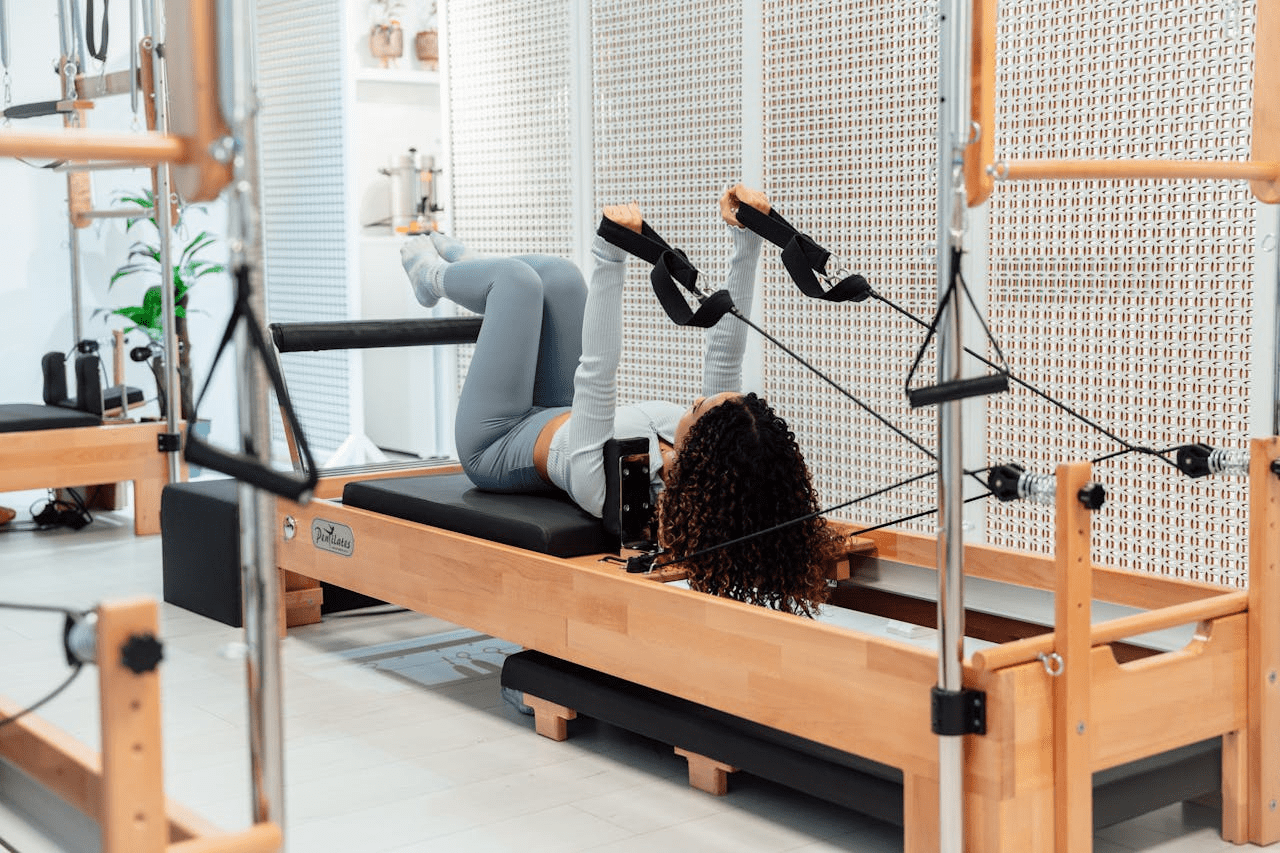
Effective marketing for a home-gym business begins with visibility. A basic website or professional profile that includes service descriptions, photos of the studio, and testimonials builds trust with potential clients. Visual transparency helps clients feel comfortable booking a session.
Community engagement also plays a significant role. Posting short training clips, helpful fitness tips, or behind-the-scenes glimpses on social media attracts attention from local audiences. Participation in neighborhood forums or local groups creates visibility among people who prefer trainers close to home. Consistent service and communication help build lasting word of mouth.
Turning a Spare Room into Revenue
A spare room can become a fully functional fitness studio when planned with intention and efficiency. With smart equipment choices, a client-friendly environment, and a clear business structure, a home-gym setup can grow into a steady and rewarding source of income. Remember, thoughtful setup today creates long-term potential for tomorrow.