

Key Takeaways
- Business analytics enables organizations to make data-driven decisions, thereby improving efficiency and competitiveness.
- Integrating analytics into core decision processes can enhance profitability and strategic agility.
- Implementing structured frameworks like BADIR can streamline the analytics process and align it with business objectives.
Table of Contents
- The Role of Business Analytics in Modern Enterprises
- Implementing Business Analytics Strategies
- Challenges in Adopting Business Analytics
- Case Studies of Successful Business Analytics Implementation
- Future Trends in Business Analytics
- Conclusion
Business analytics has become an essential discipline in today’s data-driven world, helping organizations make informed decisions by transforming raw data into actionable insights. By combining statistical analysis, predictive modeling, and data visualization, professionals can identify trends, optimize processes, and improve overall business performance. Understanding these techniques enables individuals to approach problems strategically and make decisions grounded in evidence rather than intuition alone.
For those looking to develop these skills in a structured format, pursuing an online MBA business analytics program can provide a comprehensive overview of both the technical and managerial aspects of data analysis. Such programs often cover topics like data mining, business intelligence, and performance measurement, equipping students to apply analytical methods effectively in real-world business scenarios. By gaining a strong foundation in analytics, professionals can contribute to more efficient operations, better strategic planning, and enhanced organizational decision-making across industries.
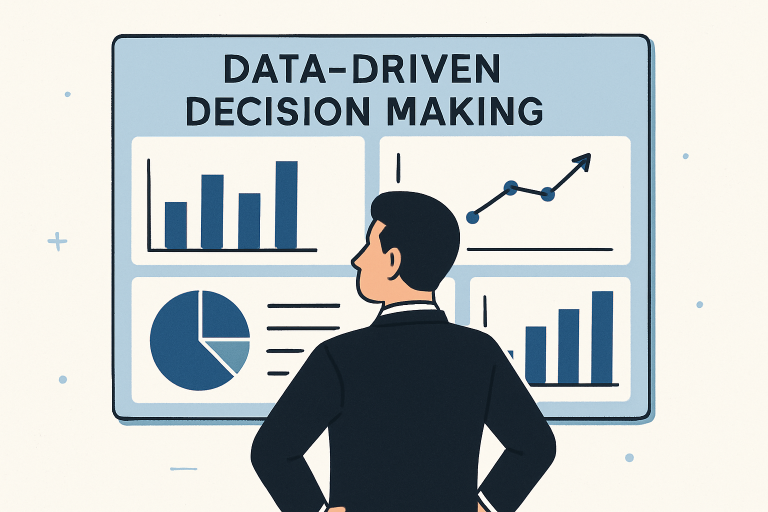
The Role of Business Analytics in Modern Enterprises
Today, organizations that integrate analytics into their core decision-making processes have a significant competitive edge. According to Gartner research, these organizations can increase profitability by up to 20 percent. This advantage comes from the speed and accuracy with which data-driven companies can respond to changes in consumer preferences, regulatory environments, and competitor actions.
Moreover, analytical tools enable teams to identify workflow inefficiencies, optimize resource allocation, and automate repetitive tasks. These advancements save time and capital, allowing businesses to reinvest in innovation and enhance customer satisfaction initiatives.
Implementing Business Analytics Strategies
Structured frameworks like BADIR provide a roadmap for organizations that want to increase their analytics maturity. The BADIR framework consists of clearly defined steps: Business Question, Analysis Plan, Data Collection, Insights, and Recommendations. This framework ensures that analytics projects begin with a strategic goal and conclude with recommendations that drive measurable improvements and outcomes.
- Business Question: Clarify the primary objective or challenge.
- Analysis Plan: Develop a strategy for analyzing relevant data.
- Data Collection: Acquire reliable and sufficient datasets.
- Insights: Extract meaningful trends, correlations, and predictions.
- Recommendations: Propose tangible, follow-up actions based on findings.
Frameworks like BADIR empower companies to ensure every analytics project is grounded in business value.
Challenges in Adopting Business Analytics
Although the advantages of business analytics are considerable, adoption is not without hurdles. Issues with data quality, unclear data ownership, limited technical skills among staff, and organizational resistance can all impede progress. A recent study revealed that less than a third of organizations feel very effective at generating new insights from analytics.
Overcoming these obstacles requires leadership commitment, regular staff training, and robust data management policies. Businesses must also foster a culture that encourages experimentation and views analytics as integral to every department, rather than treating it as a separate IT function.
Case Studies of Successful Business Analytics Implementation
Leading organizations are already seeing substantial gains by integrating analytics into their operations. The National Basketball Association (NBA), for example, migrated its IT systems to Microsoft Azure to leverage AI-powered applications, enabling personalized fan experiences and expanding global reach. This transition exemplifies how analytics can boost engagement and tap into previously unreachable markets.
Similarly, major retailers use analytics to forecast demand, optimize inventories, and tailor offers to customers. These data-driven initiatives directly improve profitability and customer satisfaction, demonstrating the tangible rewards of well-executed analytics strategies.
Future Trends in Business Analytics
As technology continues to evolve, the integration of artificial intelligence into business analytics presents transformative potential. AI-driven analytics can automate complex tasks, generate deeper real-time insights, and further improve forecasting accuracy. Companies at the forefront of digital transformation are increasingly using machine learning algorithms to unlock value from unstructured data, such as customer reviews or sensor data from connected devices.
In the coming years, the importance of data literacy across all organizational levels will only increase. Businesses that cultivate analytical thinking and invest in accessible, user-friendly tools will be best positioned to navigate future market challenges and harness new opportunities.
Conclusion
Business analytics is essential for modern organizations seeking to make informed decisions, streamline operations, and maintain an edge in a competitive marketplace. By aligning analytics initiatives with clear business goals, investing in skill development, and staying attuned to emerging technologies, companies can continue to drive measurable success in the digital era.